
Report unsafe conditions

Unsafe working conditions can lead to serious injuries, illnesses, and even fatalities. Recognizing and reporting these hazards is a crucial step in ensuring a safe and healthy environment for everyone.
Whether in a construction site, office, or industrial facility, identifying risks such as faulty equipment, poor lighting, chemical exposure, or inadequate safety protocols helps prevent accidents before they occur. Employees, supervisors, and safety officers all play vital roles in this process.
Reporting unsafe conditions is not only a responsibility but also a right protected by labor laws in many countries. This article explores how to effectively identify, document, and report hazards to protect workers and maintain compliance with safety standards.
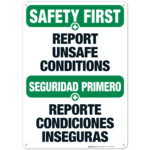 Report unsafe conditions to osha
How to Report Unsafe Conditions in the Workplace
Reporting unsafe conditions in the workplace is a critical step in maintaining a safe and healthy environment for all employees. These conditions can include faulty equipment, inadequate safety procedures, hazardous materials, or poor working conditions that could lead to injury or illness.
Employees have both the right and the responsibility to report such issues promptly through proper channels, whether to a supervisor, safety officer, or external regulatory body like OSHA in the United States. Early reporting helps prevent accidents, ensures regulatory compliance, and fosters a culture of safety.
Most organizations provide formal procedures—such as incident report forms, hotlines, or digital platforms—so that concerns can be documented and addressed efficiently. It is essential that workers understand how to report hazards confidentially and without fear of retaliation, as protected under various labor laws.
Common Types of Unsafe Conditions
Unsafe conditions in the workplace can vary widely depending on the industry, but some frequent examples include slippery floors, exposed wiring, malfunctioning machinery, lack of proper protective gear, obstructed emergency exits, and poor ventilation.
 Report unsafe conditions to your supervisor
In construction, workers may face risks like unsecured scaffolding or unprotected edges; in office environments, ergonomic hazards such as poorly adjusted chairs or computer screens can lead to long-term strain. These conditions often result from inadequate maintenance, poor design, or failure to follow safety protocols.
Identifying and categorizing these hazards correctly is crucial to ensure the right corrective actions are taken. Employers must conduct regular safety inspections and encourage employees to remain vigilant, as many unsafe conditions go unnoticed until an incident occurs.
Proper Channels for Reporting Hazards
Employees should report unsafe conditions through established internal and external channels. Internally, this typically involves notifying a supervisor, manager, or designated safety representative, often using a formal reporting system such as a written form or an online safety portal.
Many companies also operate anonymous reporting tools to protect employees from potential retaliation. Externally, workers can file complaints with government agencies like the Occupational Safety and Health Administration (OSHA), especially if internal reporting fails to yield results or if the hazard poses an immediate threat.
 Always report unsafe conditions
OSHA protects whistleblower rights and allows for on-site inspections upon request. Using the correct reporting path ensures that hazards are documented accurately and addressed promptly, helping to avoid future incidents.
Legal Protections for Whistleblowers
Workers who report unsafe conditions are protected by various laws that prohibit employer retaliation, such as demotion, suspension, or termination. In the U.S., the Occupational Safety and Health Act grants employees the right to report hazards without fear of reprisal.
OSHA investigates retaliation claims and can require corrective actions, including reinstatement and back pay. Similar protections exist in other countries under labor and workplace safety regulations.
It's important for employees to document their reports and any subsequent actions taken by the employer to support potential legal claims. Understanding these rights empowers workers to speak up confidently, knowing that legal frameworks exist to safeguard them when they report unsafe conditions in good faith.
| Hazard Type | Example | Recommended Action |
|---|---|---|
| Slip, trip, fall risks | Wet floors, loose cables | Place warning signs, secure cables, clean spills immediately |
| Mechanical hazards | Unguarded machinery | Shut down equipment, report to maintenance, avoid use until repaired |
| Chemical exposure | Leaks or unlabeled containers | Evacuate area, use PPE, report to safety officer for containment |
| Ergonomic risks | Poor desk setup | Request workstation assessment and adjustments |
| Fire hazards | Blocked exits or overloaded circuits | Clear exits immediately, report electrical issues to facilities team |
How to Report Unsafe Working Conditions: A Step-by-Step Guide
What qualifies as an unsafe condition requiring reporting?
Physical Hazards in the Workplace
Physical hazards are among the most common types of unsafe conditions that must be reported to ensure employee safety and regulatory compliance. These hazards involve environmental factors that can cause harm without direct contact, such as excessive noise, poor lighting, or unguarded machinery.
Workers should be vigilant about identifying such hazards because they can lead to slips, trips, falls, hearing damage, and other serious injuries. Immediate reporting enables employers to take corrective action before incidents occur.
- Exposed electrical wiring or damaged cords that increase the risk of shock or fire
- Wet or oily floors that can cause slips and falls
- Obstructed walkways or emergency exits that hinder safe evacuation during emergencies
Equipment and Machinery Defects
Malfunctioning or improperly maintained equipment poses a significant threat to workplace safety and is a mandatory reporting category under most occupational health standards.
When machinery lacks required safety guards, makes unusual noises, or fails to operate as intended, it creates potentially dangerous situations for operators and nearby personnel. Organizations rely on employee reports to maintain equipment integrity and prevent accidents caused by mechanical failure.
- Machines operating with missing or defective safety guards
- Tools that vibrate excessively or overheat during normal use
- Failures in emergency stop mechanisms or brake systems on industrial equipment
Poor Environmental and Atmospheric Conditions
Environmental factors such as air quality, temperature extremes, and the presence of hazardous substances can create unsafe working conditions that require prompt reporting. These conditions may not cause immediate injury but can lead to long-term health issues or acute exposure events if not addressed.
Workers in manufacturing, construction, and chemical handling are particularly vulnerable. Reporting ensures that air monitoring, ventilation improvements, or protective gear can be implemented.
- Presence of toxic fumes, dust, or vapors without adequate ventilation or respiratory protection
- Working in extreme heat or cold without proper breaks or protective clothing
- Confined spaces with low oxygen levels or potential for gas buildup
How to report unsafe conditions in the workplace effectively?
Identify and Document the Hazard
Before reporting an unsafe condition, it is essential to clearly identify and document the issue to ensure an accurate and effective report. Begin by observing the specific hazard, noting details such as its location, time of occurrence, and any contributing factors. Gathering evidence strengthens the report and helps authorities make informed decisions.
- Inspect the area or equipment involved and record any visible signs of danger, such as exposed wiring, leaking fluids, or damaged machinery guards.
- Take photographs or videos if permitted, as visual documentation can serve as crucial evidence during investigations.
- Write down a detailed description including dates, times, environmental conditions, and any injuries or near misses associated with the hazard.
Follow Established Reporting Procedures
Each workplace should have formal procedures for reporting unsafe conditions, and following these steps ensures the issue is handled appropriately and in compliance with safety regulations. Bypassing the protocol may delay resolution or lead to the report being overlooked.
- Review your company’s safety manual or policy documents to understand the correct process for submitting a hazard report, which may include using a specific form or digital platform.
- Notify your immediate supervisor or designated safety officer, providing them with all documented details about the hazard.
- If the issue is not addressed promptly or the supervisor is unresponsive, escalate the report to higher management or the occupational health and safety committee, if one exists.
Utilize External Reporting Channels When Necessary
When internal reporting fails to resolve the danger or retaliation is a concern, external regulatory bodies can intervene to protect employee safety and enforce compliance. These organizations are designed to handle workplace hazards independently and confidentially.
- File a complaint with a government agency such as the Occupational Safety and Health Administration (OSHA) in the United States, which allows for anonymous reporting in many cases.
- Provide the agency with all collected documentation, including photos, written observations, and records of previous internal reports.
- Request an inspection if the hazard poses an imminent risk, as regulatory agencies can conduct on-site evaluations and require employers to take corrective actions.
Frequently Asked Questions
What does report unsafe conditions mean?
Reporting unsafe conditions means identifying and informing the appropriate authority about any hazard in the workplace or public area that could cause harm. This includes broken equipment, slippery floors, exposed wires, or poor lighting. Prompt reporting helps prevent accidents and ensures a safer environment for everyone. Employees and citizens are encouraged to speak up when they notice risks to promote safety and compliance with health regulations.
Who should I report unsafe conditions to?
You should report unsafe conditions to your supervisor, manager, or safety officer at work. In public areas, contact local authorities such as building management, city services, or emergency numbers depending on the urgency. Many organizations also have anonymous reporting systems or safety hotlines. Promptly notifying the right person or department ensures the issue is addressed quickly and prevents potential injuries or accidents for others.
Can I report unsafe conditions anonymously?
Yes, many workplaces and organizations allow anonymous reporting of unsafe conditions. Employee safety programs often include hotlines, online forms, or drop boxes to protect your identity. Anonymous reporting encourages people to speak up without fear of retaliation. While providing your name can help with follow-up, your safety concern will typically be investigated regardless. Check your company policy or local guidelines for available anonymous options.
What information should I include when reporting an unsafe condition?
When reporting, include the exact location, nature of the hazard, when you observed it, and any immediate risks it poses. Photos or videos, if safe to take, can support your report. Describe any prior attempts to fix the issue, if applicable. Clear, factual details help responders assess and correct the situation quickly. Avoid assumptions—stick to what you observed to ensure accuracy and effective action.
Leave a Reply