
Report unsafe conditions to osha
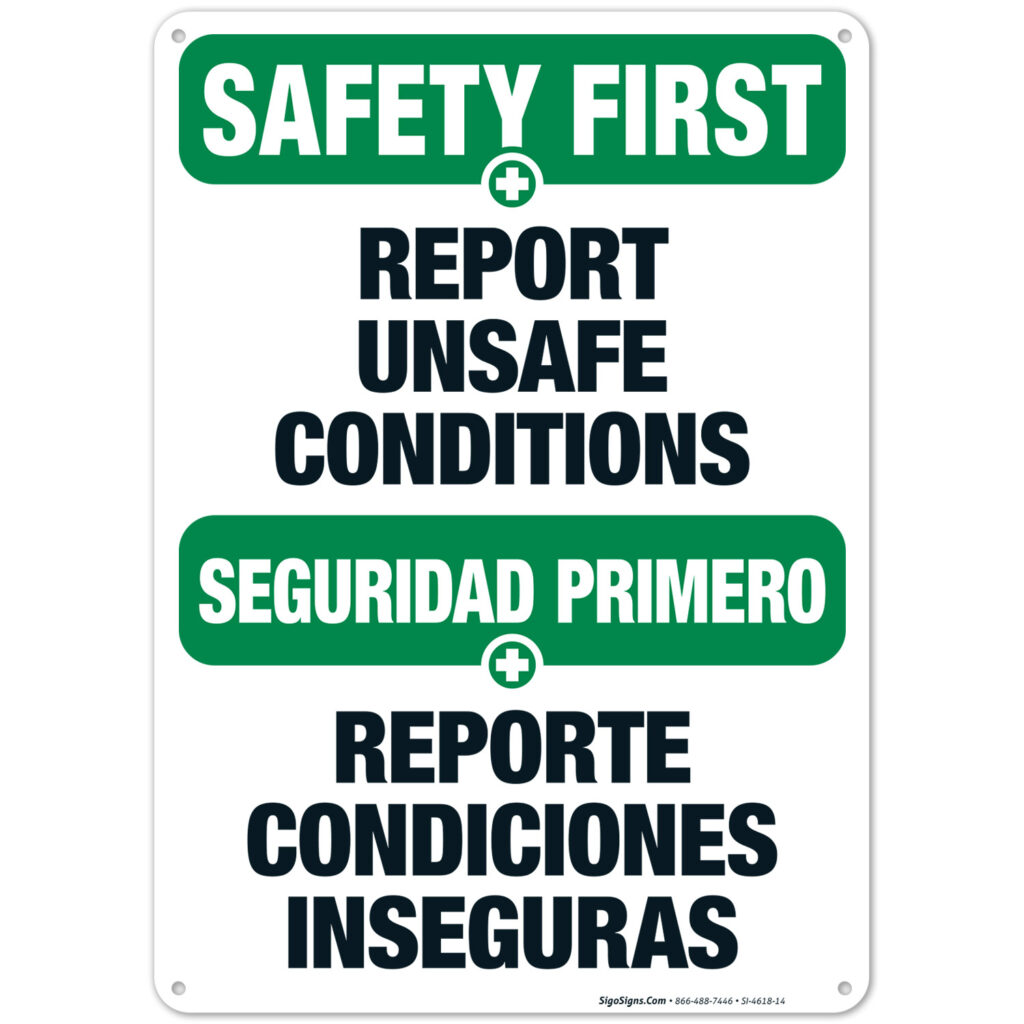
Reporting unsafe working conditions to OSHA is a critical step in protecting employee health and safety. Every worker has the right to a safe workplace, free from hazards that could cause injury, illness, or even death.
The Occupational Safety and Health Administration (OSHA) empowers employees and employers to identify and address dangerous conditions through formal reporting procedures. By reporting hazards, workers help prevent accidents, ensure regulatory compliance, and promote a culture of safety.
OSHA guarantees confidentiality and protects whistleblowers from retaliation. Understanding when and how to file a report can make a significant difference in maintaining workplace safety and holding employers accountable.
 Reporting unsafe conditions to osha
How to Report Unsafe Working Conditions to OSHA
Employees who encounter hazardous or unsafe conditions in the workplace have the right—and sometimes the responsibility—to report these dangers to the Occupational Safety and Health Administration (OSHA).
Reporting ensures that workplaces are held to federal safety standards, protecting not only the individual employee but also their coworkers from potential injury, illness, or even fatalities. OSHA provides several methods to file a report, including online submission, phone calls, and written complaints.
The process is designed to be accessible and confidential, allowing workers to report concerns without fear of retaliation from employers. Understanding how and when to report unsafe conditions empowers employees to take action and helps maintain safer work environments across industries.
When to File a Safety Complaint with OSHA
A safety complaint to OSHA should be filed whenever an employee identifies a serious hazard that could cause death or significant physical harm, or when the employer fails to comply with OSHA safety standards.
 Report unsafe conditions to your supervisor
Common examples include exposed electrical wiring, lack of fall protection in construction, insufficient machine guarding, poor ventilation in toxic environments, or failure to provide proper personal protective equipment (PPE). Complaints are especially urgent if the hazard poses an immediate danger, as OSHA can prioritize such reports for a rapid on-site inspection.
Workers do not need to wait for an accident to occur; reporting a hazard proactively can prevent future incidents. Even if the employer has been notified internally, filing a report with OSHA provides official documentation and ensures regulatory oversight.
How to Submit a Report to OSHA
OSHA offers multiple ways to report unsafe conditions, ensuring accessibility for all workers. Employees can file a complaint online through the official OSHA website, which is the most convenient method for those who prefer digital communication.
Alternatively, individuals can call their nearest OSHA regional or area office during business hours to speak with a representative and file a report over the phone. For more formal documentation, a written complaint signed by the employee or a representative can be submitted by mail, fax, or in person.
 Always report unsafe conditions
The complaint should include specific details like the company name, location, nature of the hazard, and any relevant dates or events. Notably, request for anonymity or confidentiality can be made, and OSHA is legally required to protect the identity of the complainant from the employer.
Protections Against Retaliation for Reporting Hazards
Workers who report unsafe conditions to OSHA are protected under federal law from being retaliated against by their employers.
This includes actions such as firing, demotion, harassment, reduction in hours, or any other adverse employment action taken as punishment for raising safety concerns. The Whistleblower Protection Program enforces these rights, and employees who suffer retaliation can file a separate complaint with OSHA within 30 days of the retaliatory act.
Employers found guilty of retaliation may be required to reinstate the employee, pay back wages, and cover legal fees. It is critical that employees understand these protections to feel confident using their right to report hazards without fear of losing their job or facing workplace discrimination.
| Reporting Method | Details | Best For |
|---|---|---|
| Online Complaint | Submitted through the official OSHA website; allows for form completion and immediate processing. | Non-urgent reports, anonymous filers, tech-savvy users. |
| Phone Report | Dial OSHA’s toll-free number or local office; spoken to a representative who records the details. | Immediate concerns, guidance seekers, people with limited internet access. |
| Written Complaint | Formal letter or OSHA form sent via mail, fax, or in person; can include evidence or witness statements. | Detailed reports, group complaints, legal documentation purposes. |
How to Report Unsafe Working Conditions to OSHA
What are 3 frequent OSHA violations employees should report to ensure workplace safety?
Fall Hazards in Construction and Elevated Work Areas
Fall hazards are among the most common and dangerous OSHA violations, particularly in the construction industry. Employees working at heights of six feet or more without proper fall protection are at significant risk, and such conditions must be reported immediately to prevent serious injury or fatalities. According to OSHA, falls are consistently one of the leading causes of workplace deaths in construction.
Employers are required to provide guardrails, safety nets, or personal fall arrest systems when workers are on elevated surfaces. Failure to implement these protections violates OSHA regulations and endangers lives.
- Employees should report unguarded floor openings, roof edges, or scaffolding without guardrails as potential fall hazards.
- Missing or improperly used personal fall protection equipment, such as harnesses and lanyards, must be noted and reported to supervisors or safety officers.
- Unsafe ladder use—such as positioning on unstable surfaces or failing to extend ladders above landing points—should be flagged to ensure compliance with OSHA standards.
Lack of Proper Hazard Communication and Chemical Safety
Effective hazard communication is essential in workplaces where employees handle or are exposed to hazardous chemicals. OSHA’s Hazard Communication Standard (HazCom) requires employers to provide accessible safety data sheets (SDS), proper chemical labeling, and employee training on chemical risks and safe handling procedures.
When these elements are missing or inadequately implemented, workers face increased risks of chemical burns, respiratory issues, or long-term health effects. Reporting deficiencies in hazard communication ensures that proper controls are maintained.
- Employees must report unlabeled or mislabeled chemical containers, which can lead to accidental exposure or improper handling.
- Missing or outdated safety data sheets (SDS) for hazardous substances indicate a violation and should be brought to management’s attention.
- Failure to receive proper training on chemical hazards or emergency procedures in the workplace should be documented and reported through proper safety channels.
Inadequate Machine and Equipment Safety Guards
Machinery used in manufacturing, construction, and industrial environments must include proper safety guards to prevent contact with moving parts. OSHA mandates that all machines with point-of-operation hazards, rotating components, or power transmission devices be equipped with effective guarding.
When guards are removed for maintenance and not replaced, or when equipment is operated without them, the risk of amputation, lacerations, or crush injuries increases dramatically. Employees should report any machine missing required guards or bypassed safety mechanisms.
- Missing fixed or interlocked guards on cutting, pressing, or grinding machines must be reported before equipment is used.
- Disabled emergency stop buttons or safety interlocks that allow machinery to operate without guards are serious OSHA violations.
- Improper lockout/tagout procedures that result in unguarded machinery being energized during maintenance should be immediately reported to prevent accidents.
What are examples of unsafe working conditions that should be reported to OSHA?

Physical Hazards in the Workplace
Physical hazards are among the most common unsafe working conditions that should be reported to OSHA. These hazards can directly lead to injuries or long-term health issues if not properly controlled.
Employees should be vigilant and report any physical dangers that compromise their safety or the safety of others on the job site. The presence of these hazards often indicates a lack of adherence to OSHA safety standards, and timely reporting can prevent serious accidents.
- Exposure to extreme temperatures, such as working in freezing cold environments without proper protective clothing or being subjected to excessive heat without adequate hydration and rest breaks.
- Unguarded machinery or equipment, including saws, conveyor belts, or presses that lack proper safety shields or emergency stop mechanisms, increasing the risk of amputations or crush injuries.
- Slippery floors, cluttered walkways, or uneven surfaces that can lead to trips, slips, and falls, especially in areas like kitchens, warehouses, or outdoor work zones.
Chemical and Environmental Hazards
Chemical and environmental hazards present serious health threats and are critical to report to OSHA due to their potential for long-term damage. These hazards often involve exposure to toxic substances or harmful environmental conditions that can affect respiratory health, skin integrity, or overall well-being.
Employers are obligated to provide safety data sheets, proper ventilation, and personal protective equipment, but if these safeguards are missing or inadequate, the condition must be formally reported.
- Contact with hazardous chemicals like asbestos, benzene, or lead without proper labeling, ventilation, or protective gear such as gloves, masks, or respirators.
- Poor indoor air quality due to mold, gases, or inadequate ventilation systems, especially in confined spaces like storage rooms or underground utility tunnels.
- Lack of proper hygiene facilities in jobs involving chemical exposure, such as absence of eye wash stations or emergency showers in laboratories or industrial plants.
Safety and Compliance Violations
Safety and compliance violations refer to situations where employers fail to adhere to established OSHA regulations, creating an environment where accidents are more likely to occur.
These violations often involve a breakdown in safety protocols, insufficient training, or deliberate disregard for safety measures. Workers have the right to a safe workplace, and reporting these failures ensures accountability and promotes corrective actions.
- Inadequate training for operating heavy machinery, handling hazardous materials, or responding to emergencies, leaving employees unprepared for high-risk tasks.
- Missing or dysfunctional safety equipment, such as broken fire extinguishers, non-operational emergency alarms, or lack of fall protection on elevated platforms or roofs.
- Forced work in areas known to have safety violations, such as entering a trench without shoring or working near live electrical parts without lockout/tagout procedures in place.
Frequently Asked Questions
How can I report unsafe working conditions to OSHA?
You can report unsafe working conditions to OSHA by filing a complaint online through their official website, calling the nearest OSHA office, or mailing a completed complaint form.
The report can be submitted anonymously, but providing your contact information allows OSHA to follow up. You are protected by law from retaliation for reporting safety concerns.
What information should I include when reporting to OSHA?
When reporting to OSHA, include details such as your name and contact information, the employer’s name and address, a description of the hazard, and any previous attempts to resolve the issue.
Photos or witness statements can strengthen your case. Providing clear, specific information helps OSHA investigate promptly and take appropriate action to protect worker safety.
Can I remain anonymous when filing an OSHA complaint?
Yes, you can request to remain anonymous when filing an OSHA complaint. While OSHA won’t disclose your identity to your employer, providing contact information allows them to follow up if needed.
The law protects workers from retaliation, so even if your identity is revealed, your employer cannot legally punish you for reporting safety concerns.
What happens after I report unsafe conditions to OSHA?
After you report unsafe conditions, OSHA reviews your complaint and may conduct an inspection. If violations are found, employers must correct them and may face penalties.
OSHA notifies you of the results and ensures corrective actions are taken. You’ll also be protected from retaliation throughout the process, and OSHA can take enforcement action if needed.
Leave a Reply