
Reporting unsafe conditions
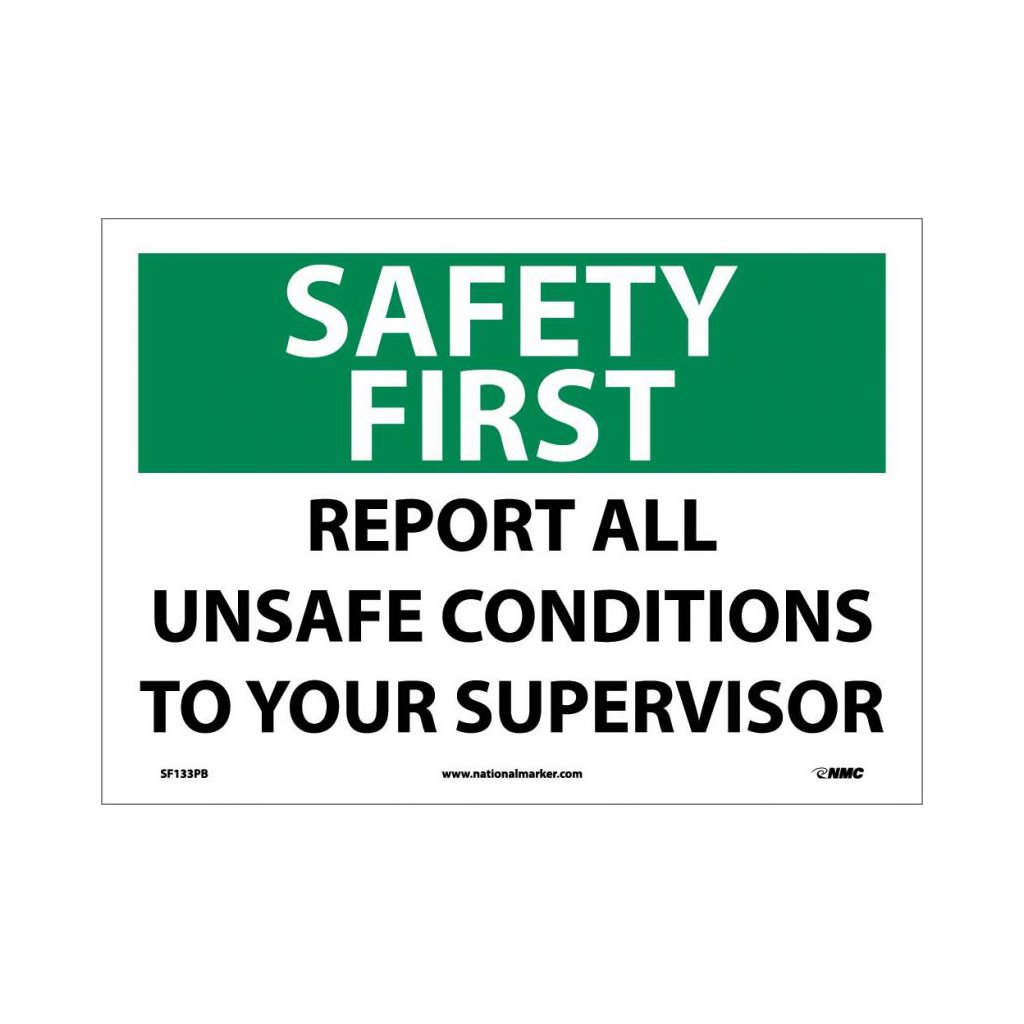
Reporting unsafe conditions is a critical responsibility in maintaining safe and healthy environments, whether in the workplace, public spaces, or residential areas.
Prompt identification and communication of hazards help prevent accidents, injuries, and long-term liabilities. Employees, residents, and visitors all play a role in ensuring safety by recognizing risks such as faulty equipment, poor lighting, or hazardous materials and reporting them through proper channels.
Effective reporting systems encourage transparency, support regulatory compliance, and foster a culture of accountability. Understanding how and when to report unsafe conditions empowers individuals to take proactive steps toward protecting themselves and others from potential harm.
 Reporting unsafe conditions to osha
Reporting Unsafe Conditions: Ensuring Workplace Safety and Accountability
Effectively reporting unsafe conditions is a critical component of maintaining a safe and healthy work environment. Employees at all levels must be aware of the procedures for identifying and communicating hazards to the appropriate personnel, such as supervisors, safety officers, or through formal reporting systems.
Prompt reporting helps prevent accidents, injuries, and potential long-term health issues, fostering a culture of safety and responsibility. Employers, in turn, are obligated to investigate reported issues, take corrective actions, and ensure that retaliation against whistleblowers does not occur.
Clear communication channels, regular safety training, and accessible reporting tools—such as hotlines or digital platforms—enhance the effectiveness of safety protocols. Ultimately, proactive reporting benefits not only individual workers but also improves overall organizational performance and compliance with occupational health and safety regulations.
Common Types of Unsafe Conditions in the Workplace
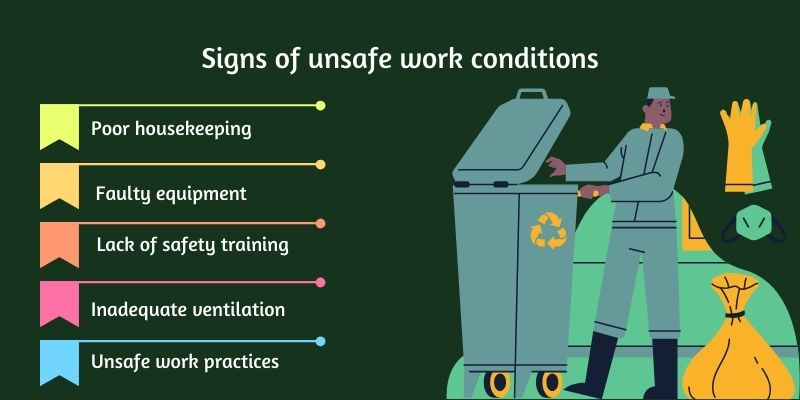
Unsafe conditions can vary widely depending on the industry, but common examples include exposed electrical wiring, unguarded machinery, slippery floors, inadequate lighting, improper storage of hazardous materials, and blocked emergency exits.
 Reporting unsafe conditions at work
In construction, for instance, workers may encounter unstable scaffolding or lack of fall protection, while in office environments, poorly arranged cables or malfunctioning HVAC systems can pose risks. Recognizing these hazards early allows employees to report them before incidents occur.
It is essential that both management and staff are trained to identify potential dangers, regardless of how minor they may seem, as even small oversights can escalate into serious accidents. Understanding these conditions helps build a proactive safety mindset across the organization.
Proper Channels and Procedures for Reporting Hazards
Organizations should establish clear, accessible, and confidential procedures for reporting unsafe conditions to ensure timely intervention. Employees should know whether to report hazards verbally to a supervisor, fill out a formal incident report, or use an anonymous reporting system.
Many companies utilize digital platforms or mobile applications that allow workers to submit reports with photos or real-time location data. Supervisors and safety officers must acknowledge reports promptly, conduct investigations, and document corrective actions taken.
 Ways to promote timely reporting of unsafe conditions
Training sessions should reinforce these procedures regularly, and posted signs in break rooms or near high-risk areas can serve as reminders. Having standardized processes increases the likelihood that hazards are properly addressed and reduces confusion during emergencies.
Legal Rights and Protections for Employees Who Report Hazards
Workers who report unsafe conditions are protected under various labor and occupational safety laws, such as the Occupational Safety and Health Act (OSHA) in the United States, which prohibits employers from retaliating against employees for raising safety concerns.
These protections include safeguarding individuals from termination, demotion, harassment, or any other adverse employment action as a result of their reports. Employees should be informed of their rights during onboarding and through workplace safety programs.
If retaliation does occur, workers can file a complaint with regulatory agencies, often within a specific timeframe. Knowing these rights empowers employees to speak up without fear and reinforces organizational accountability in maintaining a safe working environment.
| Aspect | Description | Best Practices |
|---|---|---|
| Hazard Identification | Recognizing potential dangers such as wet floors, faulty equipment, or poor ventilation before they cause harm. | Conduct regular safety walkthroughs and encourage employee observations. |
| Reporting Methods | Utilizing established channels like reporting forms, hotlines, or safety apps to notify management. | Ensure reporting is simple, confidential, and available 24/7 if necessary. |
| Follow-Up Actions | Management's responsibility to investigate, correct, and document the resolution of reported issues. | Provide feedback to reporters and track corrective actions to prevent recurrence. |
How to Report Unsafe Working Conditions: A Comprehensive Guide
What qualifies as a reportable unsafe condition in the workplace?
A reportable unsafe condition in the workplace refers to any situation, hazard, or environmental factor that has the potential to cause injury, illness, or damage to property, and which should be formally reported to appropriate personnel or regulatory authorities.
These conditions often fall under occupational health and safety regulations and must be documented and addressed to maintain a safe working environment. Employers and employees alike are responsible for identifying and reporting such conditions to prevent accidents, comply with legal obligations, and promote a culture of safety.
Physical Hazards That Constitute Reportable Conditions
- Exposed electrical wiring or malfunctioning electrical equipment presents a serious risk of electric shock or fire and must be reported immediately to prevent harm to personnel.
- Uneven flooring, wet surfaces, obstructed walkways, or damaged staircases increase the likelihood of slips, trips, and falls, which are among the most common workplace injuries, warranting prompt reporting.
- Improperly stored hazardous materials or lack of safety signage in areas containing flammable, toxic, or corrosive substances can lead to exposure incidents and should be formally documented.
Environmental and Atmospheric Hazards Requiring Reporting
- Poor ventilation or inadequate air quality, especially in confined spaces, can result in exposure to harmful fumes, dust, or gases, posing long-term health risks that necessitate reporting.
- Extreme temperatures, whether excessive heat or cold, create unsafe working conditions that may lead to heat stress, hypothermia, or reduced cognitive function, and must be reported to ensure proper controls are implemented.
- Excessive noise levels over permissible exposure limits can cause permanent hearing damage; when engineering or administrative controls are insufficient, the condition must be reported for corrective action.
- Machinery lacking proper guarding or emergency shutoff mechanisms presents a high risk of amputation, entanglement, or other serious injuries and qualifies as a reportable unsafe condition.
- Forklifts or heavy equipment operated without proper training or maintenance logs contribute to workplace accidents and should be reported to supervisors or safety officers.
- Deteriorating tools or equipment with visible damage, frayed cords, or mechanical failure increase the risk of injury and require formal documentation to initiate repair or replacement.
How to properly report unsafe workplace conditions?
Identify and Document the Hazard
- Begin by carefully observing and identifying the specific unsafe condition in the workplace, such as exposed wiring, malfunctioning equipment, blocked emergency exits, or inadequate personal protective equipment (PPE).
- Collect clear and factual evidence by taking dated photographs or videos of the hazard, if possible and safe to do so, to support your report.
- Write a detailed note describing the hazard, including its location, the time and date it was observed, how long it has existed, and any individuals who may have witnessed it or been affected by it.
Report to the Appropriate Person or Department
- Follow your company's established safety protocol by reporting the issue to your immediate supervisor, manager, or designated safety officer.
- If the issue is not addressed or you feel uncomfortable reporting to your supervisor, escalate the matter to human resources or your organization's health and safety committee, if one exists.
- Use formal channels such as written reports, safety incident forms, or digital reporting systems provided by your employer to ensure the complaint is recorded properly.
File a Complaint with OSHA or Relevant Regulatory Agency
- If internal reporting does not lead to corrective action, you have the right to file a confidential complaint with the Occupational Safety and Health Administration (OSHA) or your country's equivalent workplace safety authority.
- Visit the official OSHA website or contact their local office to submit a complaint online, by phone, by mail, or in person, providing all documented evidence and details of prior internal reporting attempts.
- Request whistleblower protection if you fear retaliation, as federal and many state laws protect employees from being punished for reporting legitimate safety concerns in good faith.
Frequently Asked Questions
What qualifies as an unsafe condition in the workplace?
An unsafe condition refers to any situation that could lead to injury, illness, or property damage. Examples include exposed wiring, slippery floors, malfunctioning equipment, or improper storage of hazardous materials. These conditions pose immediate or potential risks to employee safety. Identifying and reporting such hazards promptly helps prevent accidents. Employers rely on employee vigilance to maintain a safe work environment and comply with health and safety regulations.
How do I report an unsafe condition at work?
To report an unsafe condition, notify your supervisor or safety officer immediately. Many workplaces also provide incident report forms, online systems, or anonymous hotlines. Be specific: describe the hazard, its location, and any potential risks. If the situation is urgent and poses immediate danger, alert nearby coworkers and contact emergency personnel if necessary. Prompt reporting ensures timely action and helps protect everyone in the workplace.
What should I do if my report about an unsafe condition is ignored?
If your report is ignored, escalate the issue to a higher-level manager or your company’s health and safety committee. Document your initial report and all follow-up communications. If internal efforts fail, contact your local occupational safety authority, such as OSHA in the U.S., to file a formal complaint. Employees have the legal right to a safe workplace and protection from retaliation for raising safety concerns in good faith.
Am I protected from retaliation when reporting unsafe conditions?
Yes, employees are legally protected from retaliation when reporting unsafe conditions in good faith. Laws like the Occupational Safety and Health Act (OSHA) in the U.S. prohibit employers from firing, demoting, or harassing workers for raising safety concerns. If you experience retaliation, document the incidents and file a complaint with the appropriate labor protection agency. These protections encourage open communication and promote a culture of workplace safety.
Leave a Reply