
Unsafe condition reporting procedure

Reporting unsafe conditions is a critical component of maintaining a safe and healthy work environment. An effective unsafe condition reporting procedure enables employees to identify and communicate potential hazards before they result in accidents or injuries. This systematic approach not only promotes organizational safety but also encourages a culture of accountability and awareness.
By providing clear guidelines on how to report hazards, who to notify, and the expected follow-up actions, companies can proactively address risks. Timely reporting, thorough investigations, and corrective measures are essential elements that ensure continuous improvement in safety performance across all levels of operation.
Understanding the Unsafe Condition Reporting Procedure
An effective unsafe condition reporting procedure is a cornerstone of any comprehensive workplace safety program. This process enables employees and other stakeholders to identify, report, and address potential hazards before they result in accidents or injuries.
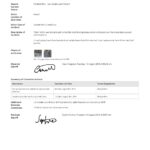 Unsafe condition reporting form
The procedure typically involves clear steps for recognizing hazardous conditions—such as faulty equipment, poor lighting, or slippery floors—followed by formal reporting through standardized forms, digital platforms, or direct communication with supervisors. Once reported, designated safety personnel assess the risk, initiate corrective actions, and ensure timely resolution.
A well-communicated and consistently applied procedure fosters a proactive safety culture, encourages employee engagement, and helps organizations comply with occupational health and safety regulations.
Importance of Reporting Unsafe Conditions
Reporting unsafe conditions is critical to preventing workplace incidents and maintaining a safe working environment.
When employees are empowered to speak up about potential hazards—such as defective machinery, obstructed emergency exits, or chemical exposure risks—it allows management to take preventive measures promptly.
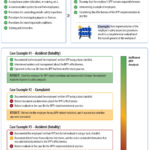 Unsafe act and unsafe condition reporting form
Early reporting reduces the likelihood of accidents, minimizes downtime, and demonstrates the organization’s commitment to employee well-being.
Moreover, consistent reporting helps organizations gather data to identify recurring issues and improve safety protocols. A culture that values transparency and accountability ensures that safety remains a shared responsibility across all levels of the organization.
Steps in the Reporting Process
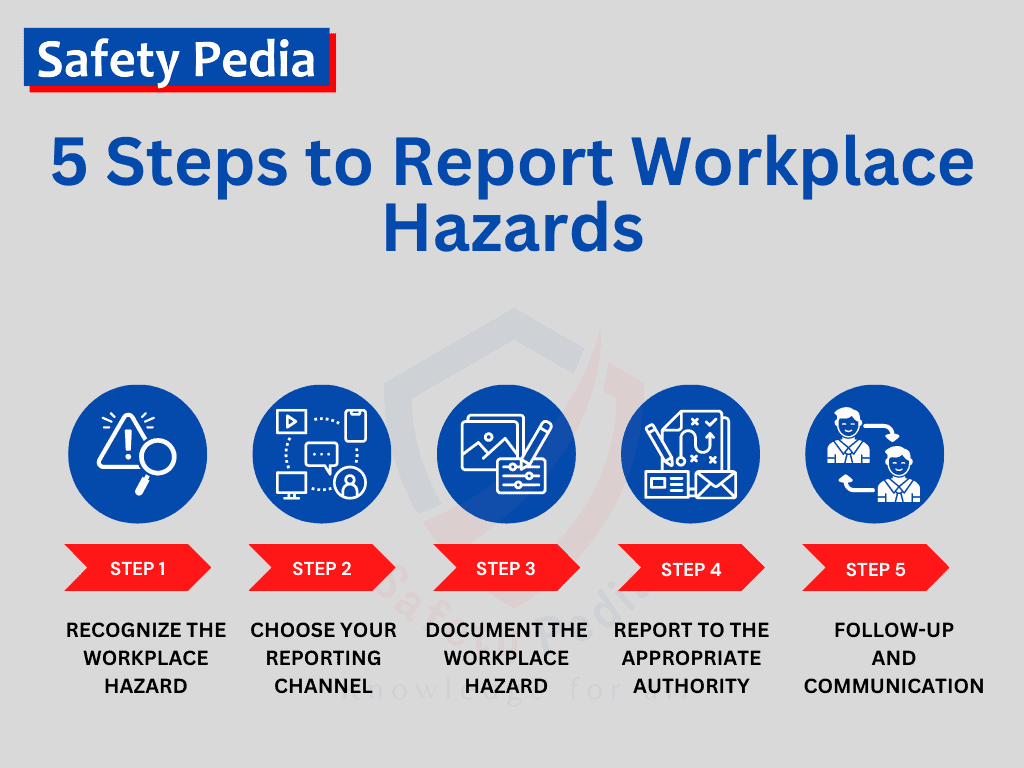
The unsafe condition reporting procedure generally follows a structured sequence to ensure efficiency and accountability. First, the individual identifies the hazard and assesses its immediate risk.
Next, they submit a report using an official form, online system, or verbal notification to a supervisor. The report should include specific details such as location, nature of the hazard, and potential consequences.
 Can you sue a business for racial discrimination
Upon receipt, the safety team reviews the report, conducts an on-site evaluation if necessary, and assigns corrective actions with clear deadlines. Finally, the reporter is often notified once the issue has been resolved, reinforcing trust in the process and encouraging future participation.
Roles and Responsibilities in Hazard Reporting
Clear roles and responsibilities are essential for an effective unsafe condition reporting system. Employees are responsible for promptly reporting any observed hazards, even if they are not directly affected.
Supervisors must acknowledge reports quickly, initiate assessments, and escalate concerns to safety officers or maintenance teams as needed. Safety managers oversee the entire process, track reported incidents, ensure compliance with regulations, and analyze trends to prevent future risks.
Senior leadership supports the system by allocating resources, reinforcing safety policies, and promoting a non-punitive reporting culture. When each role is understood and fulfilled, the organization strengthens its ability to maintain a safe and healthy workplace.
| Step | Action | Responsible Party |
|---|---|---|
| 1 | Identify the unsafe condition | Employee, Contractor, or Visitor |
| 2 | Submit a formal hazard report | Reporter (via form, app, or verbal notice) |
| 3 | Evaluate risk and inspect the site | Safety Officer or Supervisor |
| 4 | Implement corrective actions | Maintenance, Operations, or Safety Team |
| 5 | Confirm resolution and close report | Safety Manager with feedback to reporter |
Step-by-Step Guide to the Unsafe Condition Reporting Procedure
What are the 5 key guidelines for reporting unsafe conditions in the workplace?
Immediate Reporting of Unsafe Conditions
Reporting unsafe conditions as soon as they are identified is essential to prevent accidents and injuries in the workplace. Delaying a report can increase the risk of harm to employees, damage to equipment, or even regulatory violations.
Employers and safety officers rely on timely information to take corrective actions swiftly. Establishing a culture where employees feel encouraged to report hazards without fear of retaliation supports a safer working environment for everyone.
- Notify a supervisor or manager immediately upon recognizing a hazard, such as exposed wiring, slippery floors, or malfunctioning machinery.
- Use designated reporting channels, such as safety hotlines, digital reporting forms, or incident logs, according to company policy.
- Provide clear details about the location, nature, and potential impact of the unsafe condition to ensure a proper response.
Proper Documentation of the Hazard
Accurate documentation ensures that the reported unsafe condition is tracked, investigated, and resolved efficiently. Written records are also vital for compliance with occupational health and safety regulations and may serve as evidence during inspections or audits.
Employees should provide sufficient information so that safety personnel can understand the severity and context of the issue without needing immediate clarification.
- Include specific details such as the date, time, exact location, and a description of the hazard in the report.
- Attach photos, videos, or witness statements if available and permitted by company policy.
- Keep a personal copy of the report for reference, especially if follow-up action is delayed or unclear.
Follow-up and Confirmation of Resolution
After reporting an unsafe condition, it is important to confirm that corrective actions have been taken. Follow-up helps ensure accountability and verifies that the hazard has been effectively mitigated.
Employees who report issues have the right to expect feedback and updates on the status of their reports, which promotes trust in the safety management system and encourages ongoing participation in hazard identification.
- Check with the safety officer or supervisor within a reasonable timeframe to confirm if corrective measures have been implemented.
- Observe the area or equipment previously reported to verify that the hazard has been resolved safely.
- If the issue remains unresolved or worsens, escalate the report to higher management or the appropriate regulatory body if necessary.
What constitutes a reportable unsafe condition under standard reporting procedures?
A reportable unsafe condition under standard reporting procedures refers to any situation, defect, or hazard in the workplace or operational environment that has the potential to cause injury, illness, equipment damage, environmental harm, or disruption to normal operations.
Such conditions must be formally documented and communicated according to organizational or regulatory protocols to ensure timely mitigation and compliance with safety standards.
Reporting these conditions enables proactive risk management and supports the development of safer work practices across industries, particularly in high-risk sectors like aviation, construction, healthcare, and manufacturing.
Examples of Reportable Unsafe Conditions
- A frayed electrical cord on a power tool that could lead to electric shock or fire.
- Missing guardrails on elevated platforms where there is a risk of falls from height.
- Spilled chemicals in a laboratory or industrial setting without proper containment or signage.
- Blocked emergency exits or fire escape routes in office or industrial buildings.
- Malfunctioning safety interlocks on heavy machinery that prevent automatic shutdown during emergencies.
Criteria for Determining Reportability
- The condition must present a clear and identifiable risk to personnel, equipment, or the environment.
- It should deviate from established safety standards, codes of practice, or regulatory requirements.
- The hazard must not have been previously reported and resolved, or be under active corrective action.
- Even near-miss scenarios—where no incident occurred but the potential existed—qualify as reportable.
- The presence of the condition should be verifiable by observation, testing, or documented evidence.
Responsibilities in Reporting Unsafe Conditions
- Employees at all levels are responsible for immediately reporting any unsafe condition they observe.
- Supervisors must ensure that reports are submitted promptly and initiate preliminary risk controls.
- Safety officers or designated personnel must review and assess reports to determine appropriate actions.
- Management is accountable for providing resources to correct the condition and prevent recurrence.
- All individuals involved must adhere to non-retaliation policies that protect whistleblowers in good faith.
What is the proper protocol for reporting workplace accidents and unsafe conditions?
Immediate Response to Workplace Accidents
When a workplace accident occurs, the immediate response is critical to ensure safety and proper documentation. The first step is to provide medical assistance to any injured individuals by calling emergency services or administering first aid if qualified.
After securing medical help, it is essential to secure the accident scene to prevent further injuries and preserve evidence for investigation. Next, notify a supervisor or manager as soon as possible, as most organizations require prompt internal reporting.
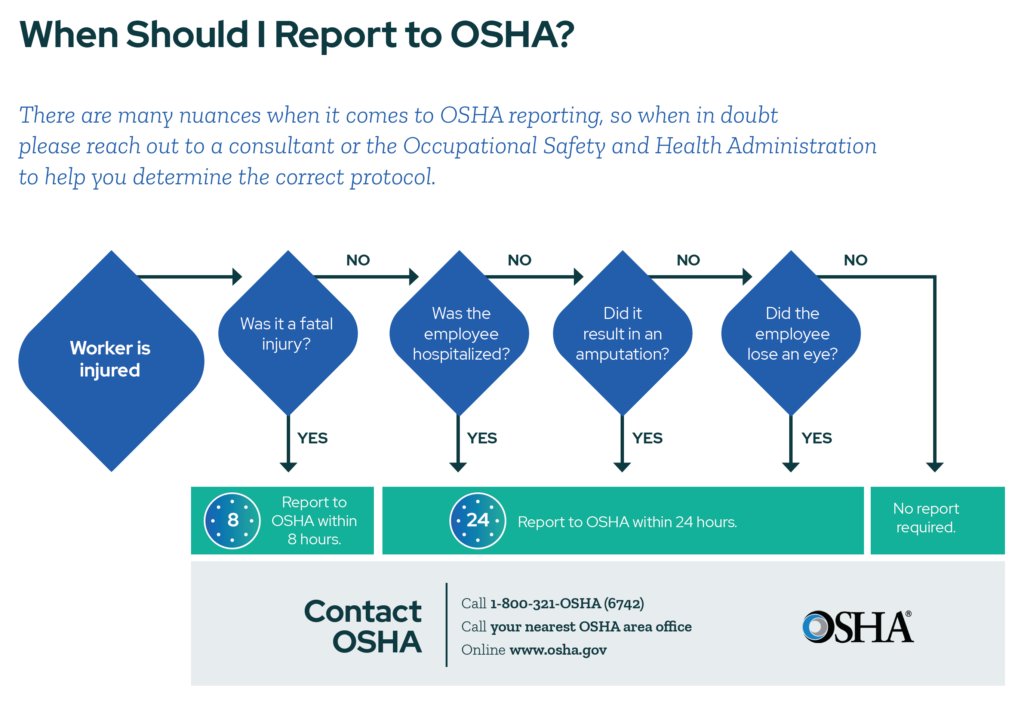
Employers must comply with local and national regulations, such as those from OSHA in the United States, which often mandate that serious injuries be reported within a specified timeframe. Accurate and timely communication during this phase helps ensure appropriate follow-up and reduces liability risks.
- Provide immediate medical attention to anyone injured during the incident.
- Secure the accident site to prevent additional injuries and preserve evidence.
- Notify a supervisor or safety officer promptly to initiate formal reporting procedures.
Reporting Unsafe Working Conditions
Identifying and reporting unsafe conditions is a proactive measure that helps prevent accidents before they occur.
Employees should be encouraged to report hazards such as exposed wiring, broken machinery, obstructed emergency exits, or inadequate personal protective equipment. The reporting process typically involves submitting a written or digital form to a supervisor or through a designated safety management system.
Employers are obligated to investigate these reports and take corrective actions in a timely manner. Workers should not face retaliation for reporting hazards in good faith, as many jurisdictions protect whistleblowers under occupational safety laws. Open communication and a supportive safety culture are vital to ensure these reports are taken seriously and addressed quickly.
- Document the hazardous condition with notes, photos, or videos if permitted and safe to do so.
- Submit a formal report through the company’s safety reporting system or directly to a supervisor.
- Follow up to verify that corrective measures have been implemented to resolve the hazard.
Documentation and Follow-Up Procedures
Proper documentation is a key component of workplace safety protocols and ensures accountability and regulatory compliance.
After an accident or hazard report, employers must complete official incident reports that include details such as date, time, location, individuals involved, witnesses, and a description of events or conditions.
These records must be stored securely and made available for audits or inspections by regulatory agencies. Employees should also retain personal notes if they are involved in or witness an incident.
Follow-up procedures may involve internal investigations, safety training updates, equipment repairs, or policy revisions. Regular review of incident reports can help identify patterns and reduce future risks across the workplace.
- Complete detailed incident reports that capture all relevant facts and observations.
- Store documentation according to company policy and legal requirements for specified retention periods.
- Participate in follow-up meetings or investigations to contribute insights and verify resolution actions.
Frequently Asked Questions
What is an unsafe condition reporting procedure?
An unsafe condition reporting procedure is a formal process that allows employees to identify and report hazards or unsafe situations in the workplace. It ensures timely communication of risks to management for prompt corrective action.
This system promotes a safe working environment, prevents accidents, and supports regulatory compliance. Reporting is typically confidential and encourages proactive safety participation from all staff members.
Who can report an unsafe condition?
Any employee, contractor, or visitor who observes a hazardous or unsafe condition in the workplace can report it. Organizations encourage everyone to speak up regardless of position or role. Reports can be made anonymously in most cases.
The goal is to involve all individuals in maintaining a safe environment. Prompt reporting helps prevent injuries and strengthens the overall safety culture within the organization.
How do I report an unsafe condition?
To report an unsafe condition, follow your organization’s established procedure, which may include filling out a safety report form, using an online portal, calling a safety hotline, or notifying a supervisor directly.
Be specific about the location, nature, and potential risk of the hazard. Include photos if allowed. Reports are reviewed quickly, and corrective actions are taken as soon as possible to resolve the issue.
What happens after I report an unsafe condition?
After a report is submitted, it is reviewed by safety personnel or management. An investigation is conducted to verify the hazard, and appropriate corrective actions are taken promptly.
The reporter may be updated on the resolution, depending on company policy. All reports are handled seriously and confidentially. The process aims to resolve risks quickly, prevent incidents, and improve overall workplace safety conditions.
Leave a Reply