
Cal osha report unsafe working conditions
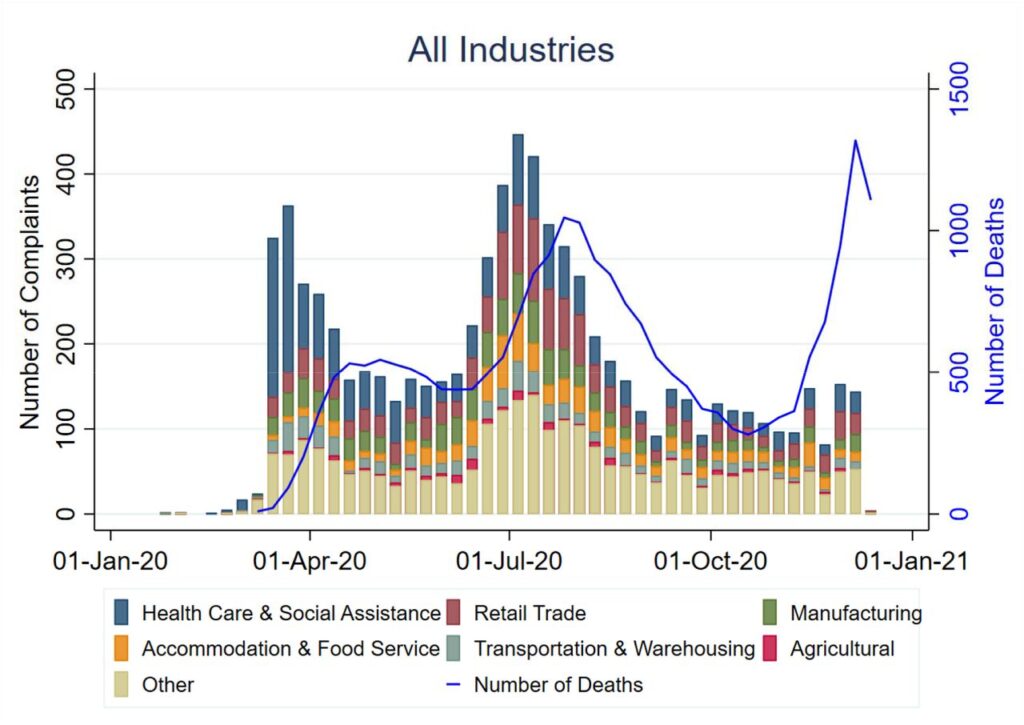
Workers in California have the right to a safe and healthful workplace, protected under Cal/OSHA regulations. When unsafe working conditions threaten employee well-being, reporting these hazards is a critical step in ensuring accountability and prevention.
Cal/OSHA, the Division of Occupational Safety and Health, enforces state standards and investigates complaints to protect workers across industries. Employees or their representatives can file a report if they observe safety violations, hazardous equipment, or inadequate training.
These reports can lead to inspections, citations, and corrective actions. Understanding the process, protections against retaliation, and the importance of timely reporting empowers workers to take action and maintain a safer work environment for all.
 Who do i call to report unsafe working conditions
How to Report Unsafe Working Conditions to Cal/OSHA in California
Employees in California have a critical right to report hazardous workplace conditions through the California Division of Occupational Safety and Health (Cal/OSHA).
This state-run agency enforces workplace safety laws to protect workers from injuries, illnesses, and fatalities arising from unsafe job environments. Reporting unsafe conditions can be done anonymously, and employees are legally protected from retaliation under state law.
Whether it’s exposure to hazardous chemicals, defective equipment, lack of safety training, or unsafe work practices, Cal/OSHA allows workers to file formal complaints online, by phone, by mail, or in person at one of its district offices.
Once a complaint is filed, Cal/OSHA evaluates its severity and may initiate an unannounced inspection to investigate the reported hazard. Timely reporting not only safeguards the employee making the complaint but also protects coworkers and helps maintain compliance with critical safety regulations.
 Who to call to report unsafe working conditions
Understanding Your Rights When Reporting Hazards to Cal/OSHA
Under California labor law, all employees have the right to a safe workplace and the ability to report unsafe conditions without fear of employer retaliation.
The California Labor Code Section 6310 explicitly prohibits any form of discrimination or punishment—including termination, demotion, or harassment—for filing a safety complaint or participating in a Cal/OSHA investigation. Workers can file complaints regardless of immigration status, and they may request anonymity so their identity is not disclosed to the employer.
This protection extends to both formal complaints submitted to Cal/OSHA and informal concerns raised internally within the workplace. Understanding these rights empowers employees to act confidently when they identify hazards such as unguarded machinery, poor ventilation, excessive noise, or inadequate fall protection.
Steps to File a Cal/OSHA Workplace Safety Complaint
To file a complaint with Cal/OSHA, employees must complete a formal hazard report via the Cal/OSHA website, by calling a district office, or by submitting a written statement.
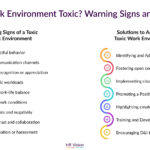 Report unsafe working conditions anonymously
The complaint should include specific details such as the name and address of the employer, a description of the hazard (e.g., exposed wiring, lack of respirators), the location within the workplace, and the potential risk it poses.
Cal/OSHA categorizes complaints based on severity: imminent danger reports receive priority and may prompt same-day inspections.
Employees need not provide evidence, but clarity and accuracy improve the chances of a successful investigation. Workers or their representatives may also participate in the opening and closing conferences of an inspection to raise concerns and review findings.
Types of Hazards Covered Under Cal/OSHA Regulations
Cal/OSHA regulates a wide range of workplace safety and health hazards, including physical, chemical, biological, and ergonomic risks.
Common reportable conditions involve falls from elevation, exposure to toxic substances (like asbestos or silica), machine guarding deficiencies, repetitive motion injuries, and heat illness in outdoor work. The agency also enforces standards for emergency preparedness, fire safety, electrical systems, and personal protective equipment.
Increasingly, Cal/OSHA has addressed emerging risks such as workplace violence in healthcare and retail, indoor air quality issues, and mental stress linked to extreme workloads. Any condition that violates the California Code of Regulations, Title 8, or poses a serious threat to worker health and safety can be reported and inspected by the agency.
| Hazard Category | Examples | Reporting Priority |
|---|---|---|
| Physical Hazards | Fall risks, unguarded machinery, noise exposure | High – often leads to immediate inspection |
| Chemical Hazards | Exposure to solvents, pesticides, welding fumes | Medium to High – depending on toxicity |
| Biological Hazards | Bloodborne pathogens, mold, infectious diseases | Medium – especially in healthcare settings |
| Ergonomic Hazards | Repetitive strain, improper lifting, poor workstation setup | Medium – requires documented incidents |
| Psychosocial Hazards | Workplace violence, extreme stress, harassment | Emerging focus – evaluated case-by-case |
Frequently Asked Questions
How can I report unsafe working conditions to Cal/OSHA?
You can report unsafe working conditions to Cal/OSHA by filing a complaint online, calling your nearest Cal/OSHA office, or submitting a written complaint by mail or fax.
The complaint should include details such as the employer’s name, location, and a description of the hazard. Reports can be made anonymously, and Cal/OSHA will investigate to ensure workplace safety standards are met.
Is it safe to report unsafe conditions at my workplace?
Yes, it is safe to report unsafe conditions. California law protects workers from retaliation for reporting safety concerns to Cal/OSHA. Employers cannot legally fire, demote, or punish employees for filing complaints. Cal/OSHA keeps the worker’s identity confidential if requested. Reporting hazards not only protects you but also helps safeguard your coworkers and ensures compliance with safety regulations.
What information should I include in a Cal/OSHA complaint?
When filing a Cal/OSHA complaint, include the employer’s name, business address, phone number, and a detailed description of the unsafe condition or hazard. Also mention any injuries or illnesses related to the condition. Including dates, equipment involved, and witness names (if applicable) strengthens the complaint. Accurate information helps Cal/OSHA conduct a more effective and targeted investigation.
Does Cal/OSHA investigate all reported hazards?
Cal/OSHA investigates most reports of serious workplace hazards, especially those posing imminent danger or involving injuries. Complaints are prioritized based on severity and risk level. Low-risk issues may be handled with informal guidance. If the inspection confirms violations, Cal/OSHA can issue citations and require corrections. Workers are notified of the investigation’s outcome and any actions taken to improve safety.
Leave a Reply