
Can you report a landlord for unsafe living conditions

Living in unsafe housing conditions can pose serious risks to health and safety, from exposed wiring and mold infestations to broken heating systems and structural hazards.
Tenants have legal rights to habitable living environments, and landlords are required to maintain their properties according to local, state, and federal housing codes. When these standards are not met, reporting a landlord becomes a necessary step to protect oneself and others.
This article explores the actionable steps tenants can take to report unsafe living conditions, including knowing which authorities to contact, how to document issues effectively, and understanding protections against retaliation.
 How do i report a landlord for unsafe living conditions
Can You Report a Landlord for Unsafe Living Conditions?
Yes, tenants have the legal right to report a landlord for unsafe living conditions. Most jurisdictions enforce housing codes and safety standards to protect residents from hazardous environments, such as mold infestations, structural damage, lack of heat or running water, pest infestations, exposed wiring, or fire hazards.
When a landlord fails to address these serious issues after being notified, tenants can escalate the matter by filing a complaint with local housing authorities, health departments, or building inspection agencies. In some cases, legal action or withholding rent (under specific legal provisions) may be permissible.
It is crucial to document all communication with the landlord and keep records of the unsafe conditions, such as photos, videos, or dated notes, to support the claim. Retaliation by the landlord for a legitimate complaint is typically prohibited by law, and reporting violations should not jeopardize a tenant’s right to safe and habitable housing.
Common Types of Unsafe Living Conditions
Unsafe living conditions encompass a range of serious issues that compromise a tenant’s health, safety, or basic living standards.
 How to report a landlord for unsafe living conditions
These include, but are not limited to, lack of essential utilities like heating, water, or electricity, structural instability such as collapsing ceilings or floors, mold growth due to water leaks, presence of hazardous materials like lead or asbestos, pest infestations (rodents, cockroaches), faulty electrical wiring, and inadequate sanitation.
Additionally, insufficient security measures, such as broken locks or non-functioning smoke detectors, also contribute to unsafe environments.
Under most tenant protection laws, these conditions violate the implied warranty of habitability, which means rental units must be safe and livable. If such issues remain unresolved after proper notification to the landlord, tenants can pursue formal complaints with the appropriate authorities.
How to Report a Landlord Officially
Reporting a landlord for unsafe living conditions typically involves contacting a local government agency responsible for housing standards, such as the housing code enforcement office, municipal building inspector, or public health department.
 How to report landlord for unsafe living conditions
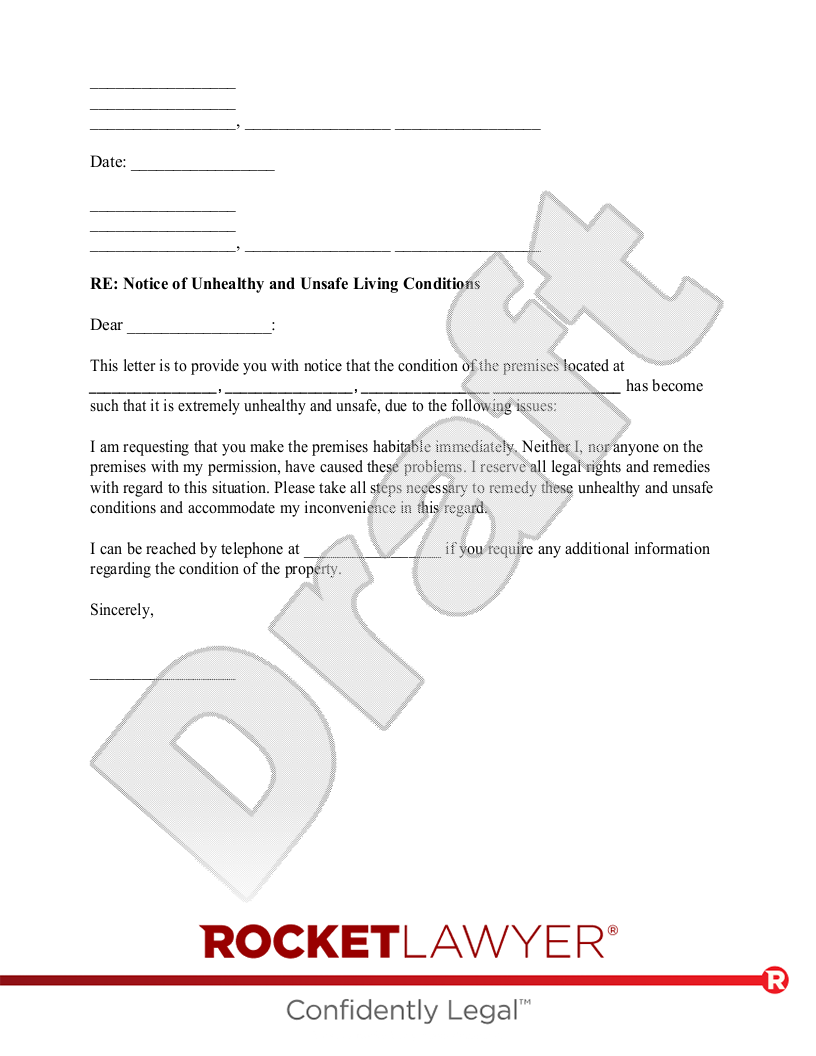
Tenants should first notify the landlord in writing, detailing the problems and requesting repairs within a reasonable timeframe—this establishes a record of communication.
If no action is taken, the next step is filing a formal complaint, often available online or in person. The agency may then conduct an inspection; if violations are confirmed, they can issue orders mandating the landlord to make repairs or face penalties.
In urgent cases, such as no heat during winter or severe fire hazards, some agencies offer emergency response services. It is important to retain copies of all correspondence and inspection reports throughout the process.
Legal Protections Against Retaliation
Tenants who report unsafe living conditions are typically protected by anti-retaliation laws that prevent landlords from taking punitive actions such as raising rent unreasonably, reducing services, or initiating eviction proceedings out of retaliation. These protections ensure that tenants can exercise their rights without fear of losing housing. However, for the protections to apply, the complaint must be made in good faith and through official channels. If a landlord does retaliate—by issuing an eviction notice shortly after a complaint, for example—the tenant may have legal grounds to challenge the action in court. Documenting the timing and nature of both the complaint and the landlord’s response is vital in proving retaliatory behavior. Legal aid organizations or tenant rights groups can often assist in navigating such situations.
 Where do i report unsafe living conditions
| Issue | Responsible Agency | Action Taken |
|---|---|---|
| Severe mold and water leaks | Local Health Department | Inspection and mold remediation order |
| Exposed electrical wiring | Building and Safety Department | Citation and mandatory repair notice |
| No heating during winter | Housing Code Enforcement | Emergency repair requirement within 24-48 hrs |
| Major structural damage | City Inspector’s Office | Building declared unsafe; evacuation possible |
| Pest infestation (rats, bed bugs) | Environmental Health Services | Order for pest control treatment |
How to Report a Landlord for Unsafe Living Conditions: A Step-by-Step Guide
What makes a rental unit uninhabitable in Pennsylvania?

Failure to Provide Essential Utilities
A rental unit in Pennsylvania may be deemed uninhabitable if the landlord fails to supply essential utilities necessary for basic living. These utilities are fundamental to health and safety, and their absence can significantly impair a tenant’s ability to reside in the property.
The Pennsylvania Landlord and Tenant Act requires landlords to maintain working plumbing, heating, electricity, and running water, particularly in multi-unit buildings where the utility is under the landlord’s control.
- Without reliable heat during winter months, especially between October 1 and May 15, indoor temperatures may fall below 68°F in living areas, which violates health and safety standards.
- Interrupted or nonfunctional electrical systems that prevent lighting, refrigeration, or safe use of essential appliances create hazardous living conditions.
- Contaminated, absent, or non-potable running water for drinking, cooking, or sanitation renders kitchens and bathrooms unusable and poses serious health risks.
Presence of Severe Structural or Environmental Hazards
Structural deterioration or environmental dangers can make a rental unit unsafe for occupancy. Pennsylvania law mandates that rental properties must meet established housing and building codes to protect tenants from physical harm.
When these standards are not met, particularly in ways that threaten life or wellbeing, the dwelling may be legally considered uninhabitable.
- Structural damage such as large holes in walls or floors, collapsing ceilings, or unstable stairways can create immediate physical danger to occupants.
- Presence of mold infestations, especially in areas like bedrooms or kitchens, can lead to respiratory issues and other health conditions, particularly for vulnerable individuals like children or the elderly.
- Exposure to hazardous materials such as lead paint (in homes built before 1978 without proper disclosure), asbestos, or unvented gas leaks adds substantial risk and violates safety regulations.
Unsanitary Living Conditions and Pest Infestations
Persistent unsanitary conditions and recurring pest infestations are key indicators of an uninhabitable rental unit in Pennsylvania.
Landlords are responsible for ensuring that the property remains clean, safe, and free from vermin or insects that threaten health. When infestations become severe and the landlord fails to act, the living environment becomes inadequate.
- Rodent infestations involving rats or mice, especially when accompanied by droppings, gnawed wiring, or nesting materials, increase fire and disease risks.
- Infestations of cockroaches or bed bugs that go unaddressed despite tenant notification compromise hygiene and can trigger allergic reactions or skin infections.
- Accumulation of sewage, garbage, or standing water in or around the unit creates breeding grounds for bacteria and pests, contributing to public health concerns.
What constitutes unsafe living conditions that can be reported to a landlord?
Structural and Physical Hazards
Unsafe living conditions often involve structural or physical defects that compromise the integrity of the building or pose immediate danger to residents.
These hazards include large cracks in walls or ceilings that may signal structural instability, sagging floors or ceilings, missing stair railings, broken windows that expose tenants to weather or intruders, and unsafe balconies or porches.
Additionally, broken locks on exterior doors or windows, which increase vulnerability to break-ins, can be considered unsafe. Tenants have the right to expect a habitable and secure structure, and when these physical elements fail, they should be reported promptly to the landlord.
- Large cracks in walls or ceilings indicating potential structural failure
- Misaligned or unsteady staircases and missing handrails that increase fall risks
- Deteriorated flooring or elevated surfaces that pose tripping hazards
Health and Sanitation Issues
Health-related concerns in a rental unit include conditions that can lead to illness or disease, making the space uninhabitable.
These include persistent mold growth due to leaks or poor ventilation—especially in bedrooms or bathrooms—infestations of rodents, cockroaches, or bedbugs, and malfunctioning sewage systems such as backed-up toilets or floor drains.
Other reportable issues include the absence of running water, non-functional plumbing, and major garbage accumulation in common areas that attract pests. Landlords are legally required in most jurisdictions to ensure that rental units are sanitary and conducive to health.
- Visible mold covering surfaces, particularly after water leakage incidents
- Infestations of pests such as rats, roaches, or bedbugs that affect health
- Backed-up sewer lines or non-flushing toilets indicating plumbing failures
Environmental and Utility Deficiencies
Lack of essential utilities or hazardous environmental conditions can constitute unsafe living environments. Examples include no heat during cold seasons, lack of electricity, or non-operational smoke and carbon monoxide detectors.
Exposure to lead-based paint in older buildings, especially when chipping or peeling, puts children at significant risk. Similarly, faulty wiring that causes electrical shocks or sparks fire hazards must be reported. Inadequate ventilation, especially in kitchens or bathrooms, can contribute to respiratory problems and moisture-related damage.
- Missing or inoperative heating systems during winter months
- Exposed or frayed electrical wiring that presents fire or shock hazards
- Presence of chipping lead paint in units occupied by children under age six
What compensation can I claim from my landlord for unsafe and uninhabitable living conditions?
Compensation for Immediate Relocation and Living Expenses
When a rental property becomes unsafe or uninhabitable due to serious issues like lack of heat, water, structural damage, or mold, tenants may be forced to find alternative housing.
In such circumstances, you are typically entitled to claim compensation for the reasonable costs associated with temporary relocation.
This includes hotel stays, rental of a comparable unit, moving costs, and storage fees. Landlords are expected to maintain the habitability of the property, and failing to do so releases the tenant from paying rent during the uninhabitable period.
Additionally, if you paid rent upfront and had to move out abruptly, you may be eligible for a prorated refund plus reimbursement for expenses. Documenting all receipts and communicating promptly with your landlord about the conditions can strengthen your claim.
- Hotel or temporary rental expenses during repairs or relocation periods
- Moving and transportation costs to and from temporary housing
- Storage fees for personal belongings if space is limited in the temporary accommodation
Unsafe living conditions such as exposure to black mold, lead paint, pest infestations, or faulty electrical systems can lead to health problems or damage personal belongings.
Tenants may seek compensation for medical expenses incurred due to the landlord's negligence, such as doctor visits, medications, or therapy for stress-related conditions resulting from prolonged exposure to hazardous conditions.
Similarly, if your furniture, clothing, or electronics were damaged due to leaks, flooding, or fire hazards the landlord failed to address, you can claim reimbursement for repairs or replacement. Keeping medical records, photographs of damaged items, and written communication with the landlord is essential to support your claim.
- Medical bills and therapy costs arising from health issues linked to unsafe conditions
- Replacement or repair costs for personal property damaged by leaks, pests, or mold
- Receipts and documentation proving ownership and value of damaged belongings
Legal Remedies Including Rent Abatement and Constructive Eviction Claims
If your landlord fails to repair serious defects after being properly notified, you may be entitled to legal remedies such as rent abatement, which means not having to pay rent until conditions are fixed.
In severe cases where the unit is completely uninhabitable and the landlord refuses to act, tenants might pursue a constructive eviction claim. This legal doctrine treats the situation as if you were formally evicted, allowing you to break the lease without penalty and sue for additional damages.
You may also claim compensation for the difference in value between the rent paid and the actual value of the uninhabitable unit. Some jurisdictions allow repair and deduct, where you can hire a professional to fix the issue and deduct the cost from your rent, provided it’s done according to local laws.
- Rent abatement for periods when the unit cannot be safely occupied
- Lease termination rights under constructive eviction when conditions make occupancy impossible
- Monetary damages for overpaid rent due to diminished living value or broken promises during lease signing
Frequently Asked Questions
What qualifies as unsafe living conditions in a rental property?
Unsafe living conditions include lack of heat, water, or electricity, structural hazards, mold, pest infestations, exposed wiring, and unsafe plumbing. These issues can threaten health and safety. Most jurisdictions require landlords to maintain habitable environments.
If essential services are missing or dangerous conditions exist, it may qualify as unsafe. Documenting problems with dates and photos strengthens your case when reporting.
Who should I contact to report unsafe living conditions?
Contact your local housing authority, health department, or building code enforcement agency. These agencies inspect rental properties and enforce safety codes. In emergencies—like gas leaks or no heat in winter—call emergency services. Some areas have tenant advocacy groups that can guide you.
Always follow up in writing and keep records. Filing a complaint with the proper authority starts the process of holding your landlord accountable.
Can I be evicted for reporting my landlord?
No, landlords cannot legally evict you for reporting unsafe conditions—this is considered retaliation and is prohibited in most areas. If you're served an eviction notice after a complaint, it may be retaliatory.
Document everything: complaints, communications, and notices. Contact a tenant rights organization or lawyer immediately. Retaliation protections exist, but you must act quickly to assert your rights and prevent wrongful eviction.
Yes, in most cases, you should notify your landlord in writing and allow a reasonable time to fix the issue before contacting authorities—unless it's an emergency.
Keep a copy of the notice and any responses. This shows you attempted to resolve the problem. However, if the landlord ignores serious hazards or the issue poses immediate danger, you may report directly to authorities without further delay to protect your health and safety.
Leave a Reply