
Unsafe condition reporting
Reporting unsafe conditions is a critical component of maintaining safety in any workplace. Failure to identify and address hazards promptly can lead to accidents, injuries, and even fatalities.
Effective unsafe condition reporting systems empower employees to recognize potential risks and communicate them without fear of retaliation. These systems rely on clear procedures, organizational commitment, and continuous improvement.
When workers trust that their reports will be taken seriously and acted upon, safety culture strengthens across all levels. Proactive reporting not only prevents incidents but also fosters accountability, enhances compliance with regulations, and promotes a shared responsibility for workplace well-being.
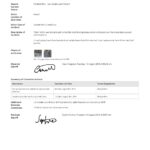 Unsafe condition reporting form
Understanding Unsafe Condition Reporting in Workplace Safety
Unsafe condition reporting is a critical component of maintaining a safe and healthy work environment. It involves the identification, documentation, and communication of hazards or situations that have the potential to cause harm to personnel, equipment, or the workplace.
These conditions may include defective machinery, slippery floors, inadequate lighting, improper storage of hazardous materials, or lack of proper safety signage. Prompt and effective reporting allows organizations to take timely corrective actions, thereby preventing accidents, injuries, and regulatory violations.
A strong reporting culture encourages employees at all levels to speak up without fear of retaliation, fostering a proactive approach to safety management and ensuring compliance with occupational health and safety standards.
Importance of Early Identification of Unsafe Conditions
Early identification of unsafe conditions is essential to prevent incidents before they occur. When employees are trained to recognize potential hazards—such as exposed wiring, blocked emergency exits, or malfunctioning safety guards—they can report them immediately, triggering investigations and corrective measures.
 Unsafe condition reporting procedure
This proactive approach reduces downtime, lowers injury rates, and enhances overall operational efficiency. Moreover, it reinforces a culture of safety where workers feel responsible and empowered to contribute to a safer workplace. Organizations that encourage vigilance and responsiveness in identifying risks demonstrate their commitment to employee well-being and regulatory compliance.
Reporting Mechanisms and Procedures
Effective unsafe condition reporting relies on clear, accessible, and standardized procedures. Employers should establish multiple reporting channels—such as digital platforms, paper forms, mobile apps, or direct communication with supervisors—to ensure all employees can report hazards easily.
These systems must guarantee confidentiality and protection from retaliation to encourage honest and timely reporting. Once a report is submitted, it should be reviewed promptly by safety personnel who assess the risk level and implement corrective actions.
Tracking each report through resolution ensures accountability and helps identify recurring problems, leading to long-term safety improvements across the organization.
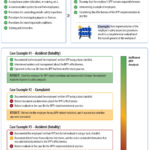 Unsafe act and unsafe condition reporting form
Role of Leadership in Promoting Reporting Culture
Leadership plays a pivotal role in shaping an organizational culture where unsafe condition reporting is valued and encouraged. Managers and supervisors must lead by example—acknowledging reports, responding quickly, and communicating actions taken.
When leadership actively participates in safety initiatives and recognizes employees for raising concerns, it reinforces trust and motivates others to report hazards.
Training programs and regular safety meetings further embed reporting as a norm rather than an exception. A supportive environment where safety concerns are taken seriously enhances employee engagement and significantly reduces the likelihood of workplace incidents.
| Element | Description | Best Practice |
|---|---|---|
| Reporting Channels | Methods available for submitting unsafe condition reports (e.g., hotline, app, form). | Offer anonymous and digital options to maximize accessibility and comfort. |
| Response Time | The average time taken to acknowledge and act on a reported hazard. | Aim for acknowledgment within 24 hours and resolution based on risk severity. |
| Follow-Up Communication | Informing the reporter and team about actions taken after a report. | Provide transparent updates to build trust and reinforce reporting value. |
| Training and Awareness | Programs educating workers on what constitutes an unsafe condition. | Conduct regular safety drills and refresher courses for all employees. |
| Retaliation Protection | Policies ensuring reporters are not punished for speaking up. | Enforce zero-tolerance retaliation policies with clear disciplinary consequences. |
Frequently Asked Questions
What is unsafe condition reporting?
Unsafe condition reporting is the process of identifying and notifying management or safety officers about potential hazards in the workplace that could lead to accidents or injuries.
These conditions may include faulty equipment, poor lighting, slippery floors, or blocked emergency exits. Reporting ensures prompt corrective actions, helps maintain a safe work environment, and complies with health and safety regulations to protect all employees.
Why is reporting unsafe conditions important?
Reporting unsafe conditions is crucial to prevent workplace accidents, injuries, and illnesses. It allows organizations to address hazards before they cause harm, improving overall safety.
Employee involvement in reporting fosters a strong safety culture, increases awareness, and demonstrates commitment to well-being. Timely reports also help employers comply with legal requirements, reduce costs related to incidents, and maintain smooth, uninterrupted operations across all workplace areas.
Who can report an unsafe condition?
Any employee, contractor, visitor, or supervisor who observes a hazardous condition in the workplace can and should report it. Organizations encourage open reporting regardless of position or tenure.
Most companies provide anonymous reporting options to protect confidentiality and promote honest communication. Prompt reporting by anyone helps prevent potential accidents and ensures that safety concerns are addressed quickly and effectively by the appropriate personnel.
How can I report an unsafe condition at work?
You can report an unsafe condition by notifying your supervisor, using a formal incident report form, or accessing your company’s safety reporting system—often online or via mobile apps.
Many workplaces also offer anonymous hotlines or safety suggestion boxes. Be as specific as possible, including location, hazard type, and potential risks. Immediate verbal reports are acceptable for urgent dangers requiring swift action.
Leave a Reply