
Unsafe act and unsafe condition report

An unsafe act and unsafe condition report is a critical tool in maintaining workplace safety and preventing accidents. These reports identify hazardous behaviors or situations that could lead to injuries, equipment damage, or operational disruptions.
Unsafe acts involve human errors or deliberate violations of safety procedures, while unsafe conditions refer to physical or environmental factors that pose risks. Promptly reporting and addressing these issues enables organizations to implement corrective actions, improve safety protocols, and foster a culture of awareness.
Effective reporting systems encourage employee participation, ensure regulatory compliance, and ultimately reduce the likelihood of incidents, protecting both personnel and assets across various industries.
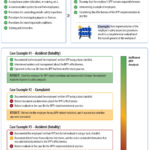 Unsafe act and unsafe condition reporting form
Understanding Unsafe Act and Unsafe Condition Reports in Workplace Safety
Effective safety management in any workplace hinges on the timely identification and reporting of both unsafe acts and unsafe conditions. These reports serve as critical tools in preventing accidents, reducing risks, and fostering a culture of safety awareness among employees.
An unsafe act refers to any behavior or action by an individual that violates established safety procedures—such as not wearing personal protective equipment (PPE), bypassing machine guards, or operating equipment without proper training. On the other hand, an unsafe condition describes a physical state in the work environment that poses a risk—like exposed electrical wiring, slippery floors, inadequate lighting, or malfunctioning safety devices.
Reporting these issues promptly enables organizations to conduct root cause analyses, implement corrective actions, and ensure compliance with occupational health and safety standards. The process should be supported by clear communication channels, non-punitive reporting policies, and regular employee training to encourage transparency and participation.
Definition and Examples of Unsafe Acts
Unsafe acts are human behaviors that directly contribute to potential workplace incidents and are often rooted in human error, complacency, or lack of training. Common examples include working at heights without fall protection, using damaged tools, failing to follow lockout/tagout procedures, or rushing through tasks to meet deadlines.
 Unsafe condition report example
These actions may seem minor or routine to employees, but they significantly increase the likelihood of accidents such as falls, electric shocks, or equipment-related injuries. Organizations must establish a clear behavioral safety program that defines acceptable conduct and provides real-time feedback when deviations occur.
Encouraging peer observations and implementing near-miss reporting systems can help reduce unsafe acts by creating shared accountability and promoting continuous improvement in safety performance.
Definition and Examples of Unsafe Conditions
An unsafe condition is any physical hazard present in the workplace that could lead to injury or damage if not corrected. These may include poor housekeeping, such as tools or materials left in walkways, exposed machinery parts, overloaded electrical circuits, blocked emergency exits, or lack of proper signage in hazardous areas.
Unlike unsafe acts, which stem from human behavior, unsafe conditions are environmental or equipment-based and often result from inadequate maintenance, poor facility design, or insufficient hazard assessments.
 Can you sue a business for racial discrimination
Identifying these conditions requires regular safety inspections, audits, and employee involvement. Once detected, they must be logged into the hazard reporting system and addressed with corrective actions—such as repairs, replacements, or engineering controls—based on risk severity and potential impact.
Process and Importance of Reporting Unsafe Acts and Conditions
A structured reporting process for unsafe acts and conditions is essential to proactively manage workplace risks. Employees should be empowered to report hazards through accessible tools like digital forms, dedicated safety apps, or anonymous reporting channels—all designed to be fast, simple, and free from fear of retaliation.
Once submitted, reports should trigger an immediate evaluation by safety personnel who conduct investigations, document findings, and assign corrective actions with deadlines. Timely follow-up is crucial to maintain trust and ensure accountability.
Moreover, aggregated data from these reports can reveal recurring patterns, enabling management to improve training programs, update safety protocols, and allocate resources more effectively. Ultimately, consistent reporting strengthens the organization's safety culture and helps meet legal and regulatory requirements.
 What is systemic racial discrimination
| Aspect | Unsafe Act | Unsafe Condition |
|---|---|---|
| Definition | Employee behavior that violates safety rules or procedures | Physical hazard in the environment that can cause harm |
| Examples | Not wearing PPE, distracted operation of machinery, improper lifting | Wet floors, damaged stairs, frayed electrical cords, poor ventilation |
| Root Cause | Human error, lack of awareness, complacency | Poor maintenance, faulty design, lack of inspections |
| Prevention Strategy | Safety training, behavioral observation, disciplinary action if needed | Regular audits, preventive maintenance, engineering controls |
Frequently Asked Questions
What is an unsafe act and unsafe condition report?
An unsafe act and unsafe condition report documents behaviors or situations that could lead to accidents or injuries in the workplace. Unsafe acts involve human errors or violations of safety rules, while unsafe conditions refer to hazardous physical environments.
Reporting these promptly helps organizations identify risks, prevent incidents, and improve safety protocols. It supports a proactive safety culture by encouraging employees to speak up about potential dangers before they result in harm.
Why is it important to report unsafe acts and conditions?
Reporting unsafe acts and conditions is crucial to maintaining a safe work environment. It helps prevent accidents, injuries, and fatalities by identifying and correcting hazards early. These reports also support regulatory compliance and foster a culture of safety awareness.
When employees report concerns, organizations can take corrective actions, improve procedures, and reduce operational risks. Ultimately, consistent reporting protects workers, enhances productivity, and demonstrates a commitment to workplace safety and accountability.
Who is responsible for submitting an unsafe act or condition report?
Any employee who observes an unsafe act or condition is responsible for reporting it, regardless of their position. Supervisors and safety officers also have a duty to ensure reports are submitted and addressed. Encouraging open reporting empowers all staff to contribute to workplace safety.
Employers must support this process by providing accessible reporting tools and protecting reporters from retaliation. Shared responsibility strengthens safety culture and ensures timely responses to potential hazards.
How can I submit an unsafe act or condition report?
You can submit an unsafe act or condition report through your company’s designated safety reporting system, such as an online form, mobile app, or printed document. Reports can often be made anonymously to encourage transparency.
After submission, safety personnel will review the report, investigate the issue, and take corrective actions. Ensure your report includes specific details like location, time, and description of the hazard. Prompt reporting increases the effectiveness of safety interventions.
Leave a Reply