
How to conduct a sexual harassment investigation
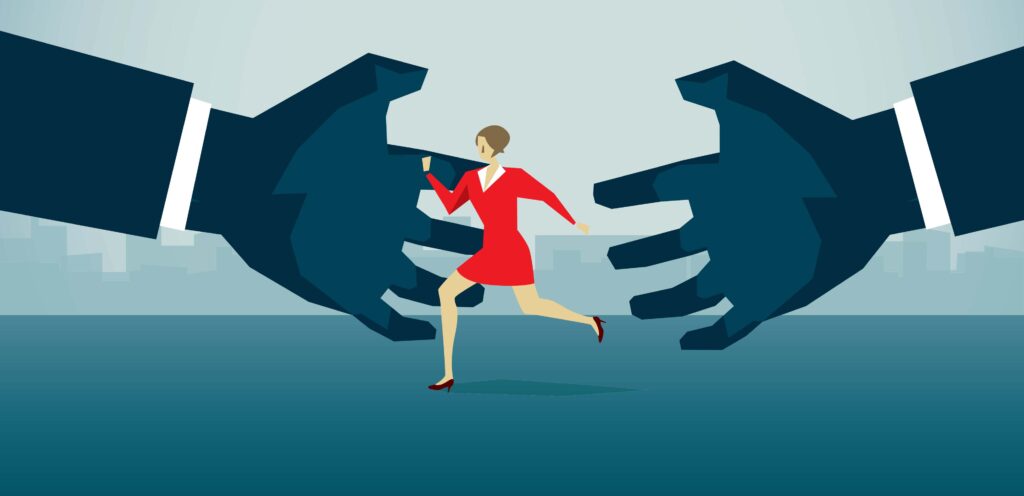
Conducting a sexual harassment investigation requires care, confidentiality, and adherence to legal and ethical standards. Employers have a responsibility to provide a safe workplace, and responding promptly to allegations is critical.
A thorough investigation helps determine the facts, protect involved parties, and prevent future misconduct. This process typically includes reviewing policies, interviewing the complainant, alleged harasser, and witnesses, and evaluating evidence.
It demands neutrality, sensitivity, and documentation at every step. Proper training for investigators and compliance with local laws are essential. Ultimately, a well-executed investigation supports accountability, fosters trust, and reinforces an organization’s commitment to a respectful work environment.
 Can i win a wrongful termination lawsuit
How to Conduct a Sexual Harassment Investigation
Conducting a sexual harassment investigation requires a structured, impartial, and timely approach to ensure fairness, legal compliance, and support for all parties involved. Organizations must establish clear procedures for receiving complaints, initiating investigations, and safeguarding confidentiality.
The process typically begins when a complaint is formally reported, either verbally or in writing, after which a qualified investigator—often someone trained in human resources or employment law—should be assigned promptly.
The investigator must remain neutral and avoid any conflicts of interest. The cornerstone of a successful investigation lies in gathering comprehensive evidence, including interviews with the complainant, alleged harasser, and any witnesses, as well as reviewing relevant documents, emails, messages, or surveillance footage.
Throughout the process, maintaining confidentiality as much as possible is critical to protecting reputations and encouraging honest participation. Findings should be documented thoroughly in a final report that outlines the facts, evaluates credibility, and determines whether harassment occurred based on the preponderance of the evidence.
 Were you wrongfully terminated because of covid-19
If harassment is found, appropriate disciplinary action should be taken consistently with company policy and legal standards. Additionally, preventive measures such as follow-up support, training reinforcement, and monitoring for retaliation are essential components of an effective resolution.
Understanding Legal and Policy Frameworks
Before initiating a sexual harassment investigation, it is crucial to understand the applicable legal standards and organizational policies that govern workplace conduct. In the United States, for instance, Title VII of the Civil Rights Act of 1964 prohibits sexual harassment as a form of sex discrimination, and both federal and state laws may influence how investigations are conducted.
Employers must ensure their internal procedures align with legal requirements to avoid liability and protect employee rights. This includes defining what constitutes quid pro quo harassment and hostile work environment harassment, as recognized by courts. Internal policies should clearly outline reporting mechanisms, protections against retaliation, and the right to a fair process for all parties.
Familiarity with these frameworks enables the investigator to assess whether behaviors meet the legal threshold for harassment, ensures consistency across cases, and reinforces the organization's commitment to a safe workplace.
 Wrongfully terminated from work
Conducting Effective Interviews
One of the most critical phases of a sexual harassment investigation is conducting structured and empathetic interviews with all relevant parties.
The investigator should begin with the complainant to gather a detailed account of the alleged incidents, including dates, locations, individuals involved, and any supporting evidence or witnesses. Subsequent interviews with the respondent (alleged harasser) must be equally thorough, allowing them to provide their side of the story without leading or suggestive questions.
Interviews with third-party witnesses should focus on observable behaviors, patterns, or comments relevant to the allegations. It is essential to create a safe environment during these conversations, emphasizing confidentiality and the organization's commitment to a fair and impartial process.
Interview notes should be detailed, accurate, and objective, avoiding personal interpretations. Using open-ended questions helps elicit complete narratives, while avoiding re-traumatizing the complainant or making premature judgments about credibility.
 Prevent wrongful termination lawsuit
Documenting Findings and Taking Action
After collecting and evaluating all evidence, the investigator must prepare a comprehensive investigation report that summarizes the allegations, methodology, interview summaries, documentation reviewed, and conclusions. This report should be based on the preponderance of the evidence standard—meaning whether it is more likely than not that harassment occurred.
Clear, objective language should be used to avoid bias, and any disciplinary recommendations should align with company policy and past precedents to ensure consistency. If harassment is substantiated, corrective actions may include counseling, training, suspension, or termination, depending on the severity.
Conversely, if allegations are unfounded, the conclusion should be communicated with care to prevent reputational harm. Regardless of the outcome, the organization must take steps to prevent retaliation, monitor the work environment, and provide support to affected employees, reinforcing a culture of accountability and respect.
| Phase | Key Actions | Best Practices |
|---|---|---|
| Initiation | Receive complaint, assess urgency, assign investigator | Ensure confidentiality and avoid conflicts of interest |
| Evidence Collection | Interview parties, gather documents, secure digital evidence | Use open-ended questions and maintain detailed notes |
| Analysis & Reporting | Evaluate credibility, apply preponderance of evidence, draft report | Remain neutral and base conclusions on facts |
| Resolution | Take corrective action, communicate outcome, prevent retaliation | Ensure consistency and follow up with involved parties |
Understanding the Key Steps in a Thorough and Impartial Investigation
Conducting a sexual harassment investigation requires a methodical, sensitive, and impartial approach to ensure fairness for all parties involved. The process must begin promptly after a complaint is filed, with clear communication about procedures and confidentiality.
 Employment lawyer wrongful termination
A well-structured investigation includes gathering relevant evidence, interviewing the complainant, alleged harasser, and any witnesses, while maintaining objectivity throughout. It is critical to adhere to company policies and comply with legal standards such as Title VII of the Civil Rights Act.
Investigators must document every step, assess credibility, and determine whether the behavior meets the definition of sexual harassment. The ultimate goal is to protect victims, prevent retaliation, and uphold a safe workplace environment.
Preserve Confidentiality and Ensure Privacy
Maintaining confidentiality is essential to protect the integrity of the investigation and the dignity of all individuals involved. Information should be shared only with those who have a legitimate need to know, such as investigators, HR personnel, and legal advisors. Breaches in privacy can lead to reputational harm, increased anxiety for the complainant, and potential claims of bias.
Clear boundaries must be set from the outset, and participants should be instructed not to discuss the case with coworkers. While complete secrecy cannot be guaranteed due to the need to gather evidence, every effort must be made to limit unnecessary disclosures to foster a safe reporting environment.
Select a Qualified and Neutral Investigator
The credibility of the investigation hinges on the impartiality and expertise of the investigator. This individual should have formal training in workplace investigations, a solid understanding of employment law, and experience handling sensitive topics like sexual harassment.
To avoid conflicts of interest, the investigator should not have close personal or professional ties to either party. In complex or high-risk cases, organizations often engage an external investigator to enhance transparency and trust. A skilled investigator brings structure, emotional intelligence, and legal awareness to the process, ensuring that findings are based on facts rather than assumptions or bias.
Develop a Clear Investigation Plan
A well-defined investigation plan guides the process from the initial complaint to the final report. It should outline the scope, timeline, key questions, and list of potential witnesses. The plan helps ensure consistency, avoids omissions, and allows for efficient use of resources.
Investigators should identify relevant policies, prior incidents, and electronic communications such as emails or messages that may serve as evidence. Structuring the investigation in phases—preparation, information collection, analysis, and reporting—helps maintain focus and thoroughness. A strong plan reinforces the organization’s commitment to a fair and methodical process.
Conduct Effective and Sensitive Interviews
Interviews are the cornerstone of any harassment investigation and must be conducted with empathy, professionalism, and consistency. Each interview should take place in a private setting, with the investigator clearly explaining the purpose, ground rules, and expectations for honesty. Questions should be open-ended, non-leading, and tailored to the individual’s role in the incident.
Special care must be taken when speaking with the complainant, who may feel vulnerable or fearful of retaliation. Similarly, the respondent must be given a fair opportunity to respond to the allegations. All interviews should be documented accurately, typically through detailed notes or, where permitted, recordings.
Document Findings and Take Appropriate Action
The conclusion of the investigation must include a comprehensive written report that outlines the facts, analysis, and conclusions based on the preponderance of the evidence.
This report should summarize interviews, evidence collected, and the rationale for determining whether harassment occurred. Recommendations for corrective action, if warranted, may include disciplinary measures, policy changes, training enhancements, or workplace accommodations.
It is also crucial to communicate outcomes appropriately—while respecting privacy, both parties should receive feedback on the resolution. Finally, organizations must monitor for retaliation and ensure that the workplace remains respectful and compliant.
Frequently Asked Questions
What are the first steps to take when beginning a sexual harassment investigation?
Begin by promptly acknowledging the complaint and ensuring confidentiality. Secure all relevant evidence and identify potential witnesses. Assign a neutral, trained investigator to avoid bias. Inform all parties of their rights and provide support resources. Immediately take interim measures if needed to protect involved individuals. Document each step thoroughly to ensure transparency and compliance with legal requirements throughout the process.
How should an investigator remain impartial during a sexual harassment investigation?
To remain impartial, the investigator must avoid conflicts of interest and approach the case without preconceptions. They should collect and evaluate evidence objectively, interview all parties separately, and give each individual equal opportunity to share their perspective. Notes and findings must be fact-based and free from personal judgment. Regularly reviewing procedures with legal or HR guidance helps maintain neutrality and fairness throughout the investigation.
What types of evidence are important in a sexual harassment investigation?
Important evidence includes written communications (emails, messages), witness statements, incident reports, and relevant policies. Digital records, such as timestamps or access logs, may also support timelines. Physical evidence or photos, if applicable, should be preserved. The investigator must assess credibility and consistency across all sources. Proper documentation and chain of custody ensure evidence integrity and strengthen the investigation’s reliability and legal defensibility.
How should the findings of a sexual harassment investigation be communicated?
Findings should be shared in a clear, factual report summarizing the investigation process, evidence reviewed, and conclusions. The reporter and the accused should be informed individually and confidentially about the outcome, without disclosing unnecessary details about the other party. If harassment is found, outline disciplinary actions and preventive measures. Communicate results promptly and ensure compliance with company policy and legal obligations.
Leave a Reply