
Federal employee sexual harassment
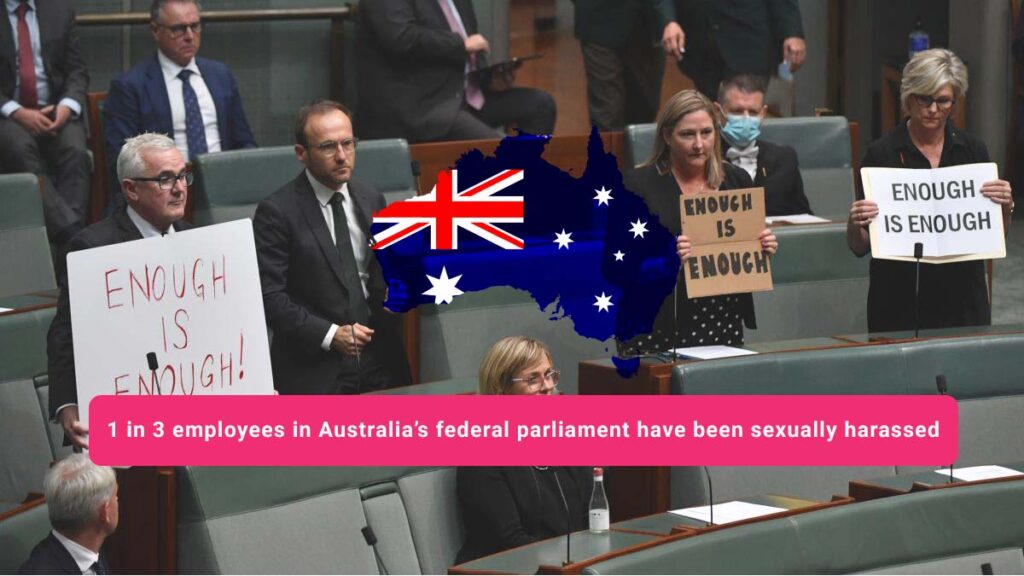
Sexual harassment in the federal workplace remains a persistent issue affecting employees across agencies and departments. Despite policies and training designed to prevent misconduct, many federal workers continue to face inappropriate behavior, retaliation, and systemic barriers when reporting incidents.
This article examines the scope of sexual harassment within the federal government, exploring how institutional culture, power dynamics, and reporting mechanisms influence survivors’ experiences.
It also reviews recent data, legal protections, and reform efforts aimed at creating safer, more accountable workplaces. Understanding the challenges federal employees face is essential to fostering an environment of dignity, equity, and respect across public service.
 Employee sexual harassment training
Federal Employee Sexual Harassment: Understanding Rights and Protections in the Workplace
Federal employees in the United States are protected from sexual harassment under various legal and regulatory frameworks, including Title VII of the Civil Rights Act of 1964 and policies established by the Equal Employment Opportunity Commission (EEOC).
Sexual harassment in the federal workplace encompasses unwelcome sexual advances, requests for sexual favors, and other verbal or physical conduct of a sexual nature that affects an individual’s employment, unreasonably interferes with work performance, or creates a hostile work environment. Because federal agencies operate under strict oversight, they are required to maintain complaint procedures, ensure timely investigations, and provide remedial actions when harassment is substantiated.
Victims of harassment have the right to file complaints through their agency’s EEO office and may eventually pursue litigation if administrative remedies do not yield a satisfactory resolution. Understanding these rights and processes is essential to ensuring a safe, respectful, and equitable work environment for all federal workers.
Definitions and Types of Sexual Harassment in Federal Agencies
Sexual harassment within federal agencies is categorized primarily into two forms: quid pro quo and hostile work environment. Quid pro quo harassment occurs when employment decisions—such as promotions, salary increases, or job retention—are conditioned on an employee’s submission to unwelcome sexual conduct.
 California at will employment labor code 2922
For instance, a supervisor suggesting advancement in exchange for romantic involvement is a clear example. On the other hand, a hostile work environment arises when persistent or severe sexual comments, jokes, gestures, or inappropriate physical contact make the workplace intimidating, offensive, or abusive.
This behavior does not need to be tied to a tangible employment action but must be severe or pervasive enough to alter the conditions of employment. Federal agencies are obligated to recognize and address both forms swiftly, ensuring compliance with anti-discrimination laws and maintaining integrity in the federal workforce.
Reporting Procedures and EEO Complaint Process for Federal Workers
Federal employees who experience sexual harassment must follow specific EEO complaint procedures to seek redress. The process begins with contacting an EEO Counselor within 45 calendar days of the alleged incident to initiate the pre-complaint stage.
During this phase, the employee may engage in counseling or mediation to resolve the issue informally. If no resolution is reached, the employee can file a formal complaint with the agency’s EEO office. The agency is then required to investigate the claim, typically concluding within 180 days.
 California labor code 2922 at-will employment
After receiving the investigation report, the employee may request a hearing before an EEOC administrative judge or opt for a final agency decision. Throughout this process, federal workers are protected from retaliation, and agencies must ensure transparency and fairness. Knowing and following these procedures correctly is crucial for protecting legal rights and securing workplace justice.
Prevention and Agency Responsibilities in Combating Harassment
Federal agencies play a critical role in preventing sexual harassment by promoting a workplace culture of respect, accountability, and compliance. Each agency is required to establish internal policies, provide regular training programs, and appoint EEO officers to educate employees on recognizing and reporting harassment.
Supervisors and managers must lead by example and promptly address complaints to avoid liability under federal law. Additionally, agencies must ensure confidentiality during investigations and implement effective disciplinary actions when violations are confirmed.
The Office of Personnel Management (OPM) and EEOC regularly monitor agency performance in handling harassment claims and may issue guidelines or sanctions for noncompliance. Proactive prevention strategies not only support affected employees but also strengthen public trust in the integrity and professionalism of the federal government.
 California labor code 2922 at-will employment statute
| Aspect | Key Information |
|---|---|
| Legal Foundation | Title VII of the Civil Rights Act of 1964 prohibits sexual harassment, and federal agencies must comply with EEOC regulations. |
| Time Limit to Report | Federal employees must contact an EEO Counselor within 45 calendar days of the incident to begin the complaint process. |
| Prohibited Conduct | Includes unwelcome sexual advances, explicit jokes, inappropriate touching, and retaliation for reporting. |
| Agency Duties | Must provide training, conduct prompt investigations, maintain confidentiality, and take corrective actions. |
| Employee Protections | Federal workers are protected from retaliation and have the right to a fair investigation and potential compensatory damages. |
Understanding the Scope and Impact of Sexual Harassment in Federal Workplaces
Sexual harassment within federal agencies remains a pervasive issue, undermining workplace integrity, employee well-being, and public trust in government institutions.
Despite robust policies and federal oversight, many federal employees continue to face hostile work environments, whether through unwanted advances, verbal misconduct, or quid pro quo demands. The Equal Employment Opportunity Commission (EEOC) reports that thousands of claims are filed annually by federal workers, highlighting gaps in prevention, reporting, and enforcement.
The complexity of federal bureaucracy often complicates the reporting process, discouraging victims from coming forward due to fears of retaliation or career repercussions. Addressing this problem requires not only stricter accountability but also systemic cultural change across departments to ensure that all employees feel safe, respected, and empowered to seek justice.
Legal Frameworks Protecting Federal Employees from Sexual Harassment
Federal employees are protected under Title VII of the Civil Rights Act of 1964, which prohibits sex-based discrimination, including sexual harassment, in the workplace.
Agencies are required to provide a safe work environment and must take immediate and appropriate corrective action when harassment is reported. The EEOC oversees enforcement and offers procedures for filing complaints, administrative reviews, and potential hearings before an administrative judge.
Additionally, the No FEAR Act (Notification and Federal Employee Antidiscrimination and Retaliation Act) strengthens these protections by increasing agency accountability and requiring transparency in discrimination and retaliation cases. These legal tools are essential in holding agencies responsible and ensuring victims have access to justice.
Reporting Mechanisms for Federal Employees Facing Harassment
Federal employees who experience sexual harassment have multiple avenues to report misconduct, starting with contacting their agency’s Equal Employment Opportunity (EEO) counselor within 45 calendar days of the incident.
This initiates the formal complaint process, which may include mediation, investigation, and potential hearings. Employees can also file a complaint with the Office of Special Counsel (OSC) if they believe they faced retaliation for speaking up.
Many agencies now offer confidential resources such as employee assistance programs (EAPs) and ombuds services to support victims before they pursue formal action. Understanding these mechanisms is crucial, as timely reporting significantly impacts the viability and outcome of harassment claims.
The Role of Agency Leadership in Preventing Harassment
Leadership accountability is critical in preventing and addressing sexual harassment across federal departments. Supervisors and senior officials set the organizational culture, and their response to misconduct sends a powerful message about tolerance for abuse.
Agencies must conduct regular training sessions, promote clear anti-harassment policies, and ensure all complaints are investigated impartially and promptly. When leaders fail to act, it fosters a culture of silence and institutional complicity.
Conversely, proactive leadership—through transparent investigations, disciplinary action, and support for victims—can rebuild trust and reinforce a standard of zero tolerance for harassment.
The Psychological and Professional Impact of Harassment on Federal Workers
Victims of sexual harassment often suffer severe emotional distress, including anxiety, depression, and post-traumatic stress, which can impair job performance and overall health.
Beyond the psychological toll, many employees face professional setbacks, such as demotions, isolation, or forced resignation, especially when allegations are ignored or downplayed.
The process of reporting harassment can feel re-traumatizing, particularly in hierarchical environments where power imbalances persist. Even when cases are resolved in the employee’s favor, the long-term effects on career trajectory and workplace morale can be profound, underscoring the need for comprehensive support systems.
Recent Reforms and Initiatives to Combat Harassment in Federal Agencies
In recent years, several reforms have been introduced to strengthen protections for federal employees, including the MeToo Federal Civil Service Act, which removes barriers like mandatory arbitration in harassment claims.
The Office of Personnel Management (OPM) and the White House Gender Policy Council have launched initiatives to standardize training, improve data collection on harassment incidents, and promote transparency across agencies.
Additionally, the Federal Sector Equal Employment Opportunity (EEO) Directive has been updated to streamline complaint processes and enhance accessibility. These efforts reflect a growing commitment to accountability and cultural transformation in federal workplaces.
Frequently Asked Questions
What constitutes sexual harassment for federal employees?
Sexual harassment for federal employees includes unwelcome sexual advances, requests for sexual favors, and verbal or physical conduct of a sexual nature that affects employment decisions or creates a hostile work environment. This can include inappropriate comments, jokes, touching, or threats. Such behavior violates Title VII of the Civil Rights Act and applies whether the victim is directly targeted or affected by a hostile workplace atmosphere.
Who is protected from sexual harassment in federal workplaces?
All federal employees, including full-time, part-time, and seasonal workers, are protected from sexual harassment regardless of job title or rank. Protection also extends to applicants, contractors, and interns. Harassment based on sex, including unwanted sexual advances or gender-based discrimination, is prohibited under federal law. Victims can report incidents without fear of retaliation, and agencies must take appropriate corrective action.
How should a federal employee report sexual harassment?
A federal employee should report sexual harassment to their agency’s Equal Employment Opportunity (EEO) office or supervisor following internal procedures. They may also initiate a formal complaint with the help of an EEO counselor. Documentation of incidents is crucial. Reports can lead to investigations and corrective actions. Employees are protected from retaliation for reporting harassment in good faith.
What remedies are available for victims of federal employee sexual harassment?
Victims of sexual harassment may receive remedies such as compensatory damages, back pay, reinstatement, policy changes, or training programs. The Equal Employment Opportunity Commission (EEOC) or Merit Systems Protection Board may enforce these remedies. Counseling and medical support may also be provided. The goal is to make the employee whole by addressing lost wages, emotional distress, and work environment disruptions caused by the harassment.
Leave a Reply