
Unsafe act and unsafe condition reporting form
Reporting unsafe acts and unsafe conditions is a critical component of maintaining workplace safety and preventing accidents.
An effective reporting system enables employees to identify and communicate potential hazards before they result in injury or damage. The unsafe act and unsafe condition reporting form serves as a vital tool in this process, allowing for the timely documentation and resolution of safety concerns.
By encouraging open communication and proactive risk management, organizations can foster a strong safety culture. Proper use of the form ensures accountability, supports incident investigation, and helps implement corrective actions to enhance overall workplace safety.
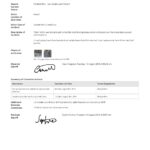 Unsafe condition reporting form
Understanding the Importance of Unsafe Act and Unsafe Condition Reporting Forms
Unsafe act and unsafe condition reporting forms are essential tools in maintaining a safe and healthy work environment. These forms allow employees and supervisors to systematically identify, document, and report observed behaviors or workplace conditions that could lead to accidents, injuries, or near misses.
An unsafe act refers to any human behavior that deviates from established safety rules or procedures—such as not wearing personal protective equipment (PPE) or operating machinery without proper authorization. Conversely, an unsafe condition involves physical hazards in the workplace, such as wet floors, exposed wiring, or faulty equipment.
By implementing a standardized reporting form, organizations encourage a proactive safety culture, enabling prompt investigation and corrective actions to prevent future incidents. The key benefit of these reporting systems is their ability to transform real-time observations into actionable safety improvements, ultimately reducing workplace risks and enhancing overall operational safety.
Key Elements of an Effective Unsafe Act and Unsafe Condition Reporting Form
An effective reporting form must include clear and structured fields to ensure consistency and completeness in incident documentation.
 Which federal law prohibits racial discrimination in employment
Essential components typically include: the date and time of observation, location of the unsafe act or condition, description of the issue (including witness statements if available), type of hazard (behavioral or environmental), and immediate actions taken (if any).
Additional valuable fields may involve reporter information (name, position, department), photos or attachments for visual evidence, and a follow-up section for tracking resolution.
Standardized forms improve data quality and help safety teams analyze trends over time, supporting informed decision-making. A well-designed form reduces ambiguity and increases the likelihood of accurate, timely submissions.
Benefits of Encouraging Employee Reporting of Safety Concerns
When employees are empowered to report unsafe acts and conditions without fear of retaliation, organizations foster a strong safety culture based on transparency and trust.
 Wrongful termination racial discrimination
Open reporting leads to the early detection of potential hazards, allowing management to intervene before an incident occurs. This proactive approach not only reduces the frequency and severity of workplace accidents but also improves employee morale, as workers feel their well-being is valued.
Regular use of reporting forms contributes to continuous improvement in safety processes and helps meet regulatory compliance requirements. Moreover, data gathered from these reports can be used for training, policy updates, and risk assessments. Ultimately, encouraging employee participation in safety reporting transforms every team member into a vital part of the organization’s risk management strategy.
How Reporting Data Is Used for Risk Assessment and Prevention
Collected data from unsafe act and unsafe condition reports serve as a critical foundation for conducting thorough risk assessments and implementing preventive measures.
Safety managers analyze the frequency, location, and nature of reported incidents to identify recurring patterns or high-risk areas. This information guides the prioritization of corrective actions, resource allocation for repairs or training, and updates to safety protocols.
For example, if multiple reports highlight slippery floors in a specific warehouse zone, management might install anti-slip flooring or improve drainage. Furthermore, trend analysis helps in performing root cause analysis to address underlying systemic issues rather than just symptoms. By leveraging reporting data, organizations shift from reactive to preventive safety management.
| Reporting Component | Purpose | Example |
|---|---|---|
| Date & Time | Establishes when the unsafe act or condition was observed for tracking and timeline analysis. | March 15, 2024 – 10:30 AM |
| Location | Identifies the exact area where the hazard occurred to enable targeted interventions. | Production Line B, Sector 3 |
| Description of Hazard | Provides a detailed account of the unsafe act (e.g., bypassing safety guard) or condition (e.g., frayed electrical cord). | Worker operating press without safety guard engaged |
| Reporter Information | Allows follow-up and ensures accountability while protecting anonymity if required. | John D., Assembly Technician (Optional anonymization) |
| Follow-Up Status | Tracks whether corrective actions have been implemented and verified. | Pending Review / Corrective Action Taken / Closed |
Guide to Completing an Unsafe Act and Unsafe Condition Reporting Form
What is an example of an unsafe condition report in the context of an unsafe act and condition reporting form?
Definition and Context of an Unsafe Condition Report
An unsafe condition report refers to the documentation of a physical or environmental situation in the workplace that has the potential to cause injury, illness, or damage. Such reports are a critical component of safety management systems, enabling organizations to identify and correct risks before incidents occur.
When completing an unsafe act and condition reporting form, the unsafe condition specifically describes hazardous equipment, faulty infrastructure, poor housekeeping, or inadequate safety controls that endanger personnel. For example, exposed electrical wiring in a production area presents a clear unsafe condition because it increases the risk of electric shock or fire.
These reports are distinct from unsafe acts, which involve human behavior, and instead focus on the state of the work environment. Prompt reporting and correction of these conditions are essential for maintaining a safe and compliant workplace.
- Exposed wiring in a machinery room due to damaged insulation poses a significant electrical hazard and requires immediate attention.
- Slippery floors in a warehouse caused by oil leakage create a tripping or falling risk, especially where forklifts operate.
- Misplaced or missing safety guards on rotating equipment may allow accidental contact with moving parts, leading to severe injuries.
Example of a Completed Unsafe Condition Report
A typical example of an unsafe condition report might include the observation of a blocked emergency exit in a manufacturing plant. During routine operations, an employee notices that fire exit doors are obstructed by stacked inventory bins, making evacuation difficult in an emergency.
On the reporting form, the employee documents the location (e.g., Production Floor, Exit B), provides a detailed description (Exit blocked by three pallets of raw materials), and adds a photo if possible. The report is submitted through the designated safety system and assigned to the facility manager for corrective action.
This example illustrates how a condition, rather than an action, initiates the report and highlights the importance of maintaining clear access to emergency exits as mandated by occupational safety standards.
- An obstructed fire exit due to stored materials is recorded, including date, time, and specific details like exit number and obstruction type.
- The reporter may also indicate the immediate corrective action taken, such as moving one pallet aside, and identifies the supervisor to follow up.
- Upon review, the safety team ensures that proper storage zones are reinforced and conducts training to prevent future violations.
Importance of Timely Reporting and Follow-Up
The effectiveness of an unsafe condition reporting system relies heavily on timely identification and follow-up actions. When employees report hazards promptly, organizations can implement preventive measures before accidents occur.
For example, reporting a frayed extension cord in an office space helps prevent electrical fires or shocks. Without an efficient follow-up process, even well-documented reports may lead to repeated hazards.
Supervisors or safety officers are responsible for acknowledging reports, investigating the conditions, and applying corrective and preventive actions. Regular audits and feedback loops ensure that reported issues do not reoccur and reinforce a culture of safety awareness across departments.
- A delayed response to a report about loose floor tiles in a hallway increases the likelihood of slip-and-fall incidents among staff and visitors.
- Tracking reported conditions in a centralized database allows management to identify recurring problems and prioritize high-risk areas.
- Employees are more likely to engage in reporting when they see consistent follow-up and visible improvements to working conditions.
What is the difference between an unsafe condition report form and an unsafe act reporting form?
Definition and Purpose of an Unsafe Condition Report Form
An unsafe condition report form is used to document physical or environmental hazards in the workplace that have the potential to cause injury, illness, or damage if not corrected.
These hazards exist independently of employee behavior and are typically related to equipment, tools, machinery, structural issues, or environmental factors. Identifying and reporting these conditions allows organizations to proactively address risks before incidents occur, supporting a preventative safety culture.
- It focuses on tangible risks such as broken handrails, exposed wiring, poor lighting, or malfunctioning machinery.
- The form enables maintenance or safety teams to inspect and repair hazards, ensuring compliance with safety regulations.
- Reporting unsafe conditions helps prevent accidents by correcting environmental or equipment-related flaws before they lead to harm.
Definition and Purpose of an Unsafe Act Reporting Form
An unsafe act reporting form is designed to record instances where individuals engage in behaviors that violate safety protocols or increase the risk of accidents.
Unlike unsafe conditions, these reports center on human actions, such as bypassing safety guards, not wearing personal protective equipment (PPE), or operating machinery improperly. Addressing unsafe acts is critical for modifying behavior and reinforcing accountability in safety practices.
- It captures behavioral risks like horseplay, rushing through procedures, or failure to follow lockout/tagout protocols.
- The form supports corrective actions such as coaching, retraining, or disciplinary measures to deter future unsafe behaviors.
- Tracking unsafe acts helps organizations identify recurring behavioral trends and implement targeted safety training.
Key Differences Between the Two Reporting Forms
While both forms aim to enhance workplace safety, they differ fundamentally in focus, target, and corrective action. An unsafe condition report deals with external hazards in the work environment, whereas an unsafe act report addresses individual behaviors that compromise safety. Understanding this distinction ensures appropriate responses and effective risk management strategies.
- Unsafe condition reports target equipment, infrastructure, or environmental flaws, while unsafe act reports focus on employee or contractor actions.
- Corrective measures for unsafe conditions often involve engineering solutions or maintenance, whereas unsafe acts typically require behavioral interventions like training or policy reinforcement.
- Condition reports are usually initiated by observations of the physical workspace, whereas act reports stem from witnessing or identifying non-compliant behaviors.
What is the difference between unsafe acts and unsafe conditions in incident reporting forms?
Definition and Core Characteristics
Unsafe acts and unsafe conditions represent two distinct categories in incident reporting, each contributing differently to workplace hazards. Understanding their definitions clarifies how and why incidents occur.
- Unsafe acts refer to specific actions taken by individuals that violate safety protocols, such as bypassing machine guards, failing to wear PPE, or operating equipment without proper training. These are typically behavioral or procedural failures originating from human decisions.
- Unsafe conditions, on the other hand, describe physical or environmental factors in the workplace that create risk, regardless of human action. Examples include frayed electrical cords, poorly lit stairwells, or obstructed emergency exits.
- While unsafe acts involve intent or negligence in actions, unsafe conditions are often structural or operational shortcomings that persist over time and may remain unnoticed until an incident occurs.
Root Causes and Contributing Factors
The underlying causes of unsafe acts and unsafe conditions vary significantly and require different types of investigation during incident analysis.
- Unsafe acts often stem from inadequate training, complacency, pressure to meet deadlines, or insufficient supervision. For example, a worker might skip a lockout/tagout procedure to save time, increasing the risk of injury.
- Unsafe conditions are typically caused by maintenance delays, design flaws, lack of inspections, or failure to replace worn equipment. A leaking roof or corroded railing, for instance, reflects facility deterioration over time.
- Organizational factors such as poor safety culture, lack of accountability, or weak enforcement of procedures can contribute to both types, but influence them differently—misconduct for acts, and systemic neglect for conditions.
Reporting and Corrective Actions
Accurate classification of unsafe acts versus unsafe conditions in incident reporting forms determines the nature of corrective actions and prevention strategies.
- When an unsafe act is reported, corrective measures often target behavior through retraining, disciplinary action, improved supervision, or reinforcement of safety rules to prevent recurrence.
- For unsafe conditions, remediation involves engineering controls, repairs, equipment upgrades, or facility improvements. For example, installing non-slip flooring in a wet work area directly addresses a hazardous condition.
- Incident reports that clearly distinguish between these categories allow safety teams to allocate resources effectively—addressing employee behavior in some cases and infrastructure issues in others—leading to more targeted and sustainable risk reduction.
Frequently Asked Questions
What is an unsafe act and unsafe condition reporting form?
An unsafe act and unsafe condition reporting form is a document used to record and report potential hazards in the workplace. It helps identify behaviors or situations that could lead to accidents or injuries. By documenting unsafe acts (such as improper equipment use) or conditions (like wet floors), organizations can take corrective actions promptly to improve safety and prevent incidents.
Who should complete the unsafe act and unsafe condition report?
Any employee, supervisor, or visitor who observes an unsafe act or condition should complete the report. It is everyone’s responsibility to maintain a safe workplace. Prompt reporting ensures timely investigation and corrective measures. Organizations encourage open reporting without fear of retaliation to foster a strong safety culture and protect all personnel from potential harm.
How quickly should an unsafe condition be reported?
Unsafe conditions should be reported immediately upon discovery. Delaying the report increases the risk of accidents or injuries. Most organizations require reports to be submitted as soon as possible, ideally within 24 hours. Quick reporting allows management to assess the hazard and implement corrective actions promptly to protect employees and operations.
What happens after I submit an unsafe act or condition report?
After submission, the report is reviewed by safety personnel or management. They investigate the issue, determine the root cause, and take corrective actions to resolve the hazard. You may be contacted for additional details. The organization will follow up to ensure fixes are implemented and may share outcomes while maintaining confidentiality as needed.
Leave a Reply