
How to report a landlord for unsafe living conditions

Living in unsafe housing conditions can pose serious risks to health and safety, from mold and pest infestations to structural hazards and lack of heat or running water.
If you're facing these issues, knowing how to report a landlord for unsafe living conditions is crucial. Tenants have legal rights, and various local, state, and federal agencies can help enforce housing codes and protect occupants.
Documenting problems, understanding your lease, and communicating formally with your landlord are critical first steps. When repairs aren't made, filing a complaint with the appropriate authority may be necessary to compel action and ensure a safe, habitable home.
 How to report landlord for unsafe living conditions
How to Report a Landlord for Unsafe Living Conditions
Reporting a landlord for unsafe living conditions is a crucial step in protecting your health, safety, and legal rights as a tenant.
When a rental property poses serious risks—such as mold, pest infestations, structural damage, lack of heat or water, or electrical hazards—tenants have the right to seek help through formal channels.
The process typically begins with proper documentation of the issue, notifying the landlord in writing, and escalating the complaint to local housing or health authorities if necessary.
In many jurisdictions, government agencies have the power to inspect properties, issue violation notices, and force landlords to make repairs. Knowing the steps to follow ensures you take appropriate action without violating your lease or risking retaliation.
 Report unsafe living conditions california
Identifying Unsafe Living Conditions
Unsafe living conditions encompass a wide range of hazards that can undermine a tenant’s health, safety, or basic quality of life.
These include structural deficiencies like unstable floors or ceilings, exposure to toxic substances such as lead paint or black mold, lack of essential utilities (e.g., running water, heat in winter, or electricity), severe pest infestations, and fire hazards such as broken smoke detectors or faulty wiring. According to housing standards, rental units must be “habitable,” meaning they meet a minimum level of safety and cleanliness.
Recognizing these red flags is the first step before taking action. If multiple issues are present, or if the landlord ignores repair requests, it may be necessary to formally report the situation to a governmental authority.
Steps to Report Your Landlord Officially
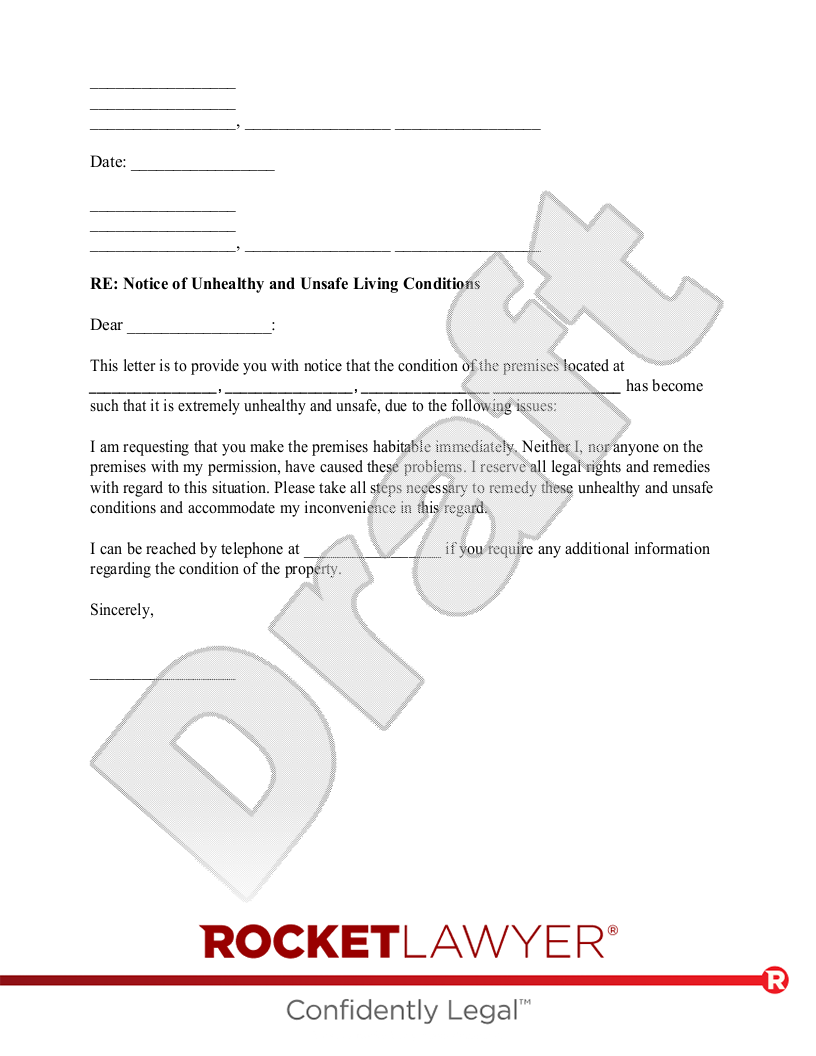
To report your landlord effectively, follow a clear and documented process. Begin by notifying your landlord in writing—via email or certified letter—detailing the problems and requesting repairs within a reasonable time frame. Keep a copy of all correspondence.
 How do i report unsafe living conditions in virginia
If the landlord fails to act, contact your local housing code enforcement agency, health department, or building inspector’s office. Many cities offer online complaint forms or hotlines for reporting unsafe conditions anonymously.
During the investigation, an inspector may visit your unit to assess violations. In some cases, you may have the right to withhold rent (in accordance with state law) or pursue legal action through small claims court. Always follow legal procedures to avoid jeopardizing your tenancy.
Legal Protections and Avoiding Retaliation
Tenants are protected by law from retaliation when reporting unsafe conditions in good faith. Retaliation—such as sudden rent increases, threats, eviction attempts, or service reductions—is illegal in most U.S. states and many other countries.
Fair housing laws and tenant protection statutes typically prohibit landlords from punishing tenants who exercise their right to live in a safe and habitable environment. To strengthen your position, maintain detailed records: photos, videos, repair requests, communication logs, and official complaints.
If you believe you’re being retaliated against, contact a tenant rights organization, legal aid service, or housing attorney immediately. Proving the timeline and nature of retaliation is essential for legal recourse.
| Issue Type | Responsible Authority | Action to Take |
|---|---|---|
| Mold, pests, lack of heat/water | Local Housing Code Enforcement | File an inspection request online or by phone |
| Electrical or structural hazards | Building and Safety Department | Report through city’s development services portal |
| Potential health risks (e.g. sewage, toxins) | Public Health Department | Submit a formal health hazard complaint |
| Landlord retaliation | Tenant Rights Legal Aid | Consult a lawyer or file with housing court |
How to Report a Landlord for Unsafe Living Conditions: A Step-by-Step Guide
What constitutes unsafe living conditions when reporting a landlord?
Structural and Building Integrity Hazards
Unsafe living conditions often involve structural defects that compromise the safety and stability of a rental property. Tenants may face serious risks when a building exhibits signs of deterioration or improper maintenance, particularly in load-bearing components.
Issues such as large cracks in walls or ceilings, sagging floors, collapsed roofing materials, or exposed wiring due to damaged walls can create life-threatening situations. When structural components fail, the risk of injury from falling debris or complete collapse increases dramatically, especially during extreme weather conditions.
- Visible and widening cracks in foundational walls or ceilings may indicate shifting or settling that could lead to collapse.
- Faulty or missing railings on staircases increase the chance of falls, especially for children and the elderly.
- Roof leaks or holes that are not repaired expose interiors to water damage, mold growth, and potential ceiling collapse.
Health and Sanitation Violations
Living conditions become unsafe when basic sanitation and hygiene standards are not maintained, posing direct threats to residents' health. Landlords are typically responsible for providing functioning plumbing, safe drinking water, heating during cold months, and vermin-free environments.
Failure to meet these standards may result in disease transmission, exposure to toxins, or severe discomfort that affects daily living. These conditions are commonly found in neglected rental units and can be documented and reported to local health or housing authorities.
- Lack of running water or non-functional toilets prevents proper hygiene and makes the unit uninhabitable under most housing codes.
- Persistent mold growth due to leaks or poor ventilation can trigger respiratory issues, especially in individuals with asthma or allergies.
- Infestations of rodents, cockroaches, or bedbugs indicate poor sanitation and increase the risk of disease and skin infections.
Fire and Electrical Safety Deficiencies
Fire hazards and electrical malfunctions are among the most urgent forms of unsafe living conditions. A landlord's failure to maintain safe electrical systems, smoke detectors, or accessible emergency exits can result in catastrophic consequences.
Overloaded circuits, exposed wiring, non-functional smoke alarms, or locked/stairwell obstructions diminish residents' ability to respond to emergencies. These conditions not only violate fire codes but also significantly raise the risk of injury or death in the event of a fire.
- Exposed or frayed electrical wiring increases the risk of electrocution and electrical fires, particularly in older buildings.
- Absence of working smoke detectors or fire extinguishers reduces early warning and fire containment capabilities.
- Blocked emergency exits or stairwells prevent safe evacuation during a fire, which is a serious violation of building safety codes.
What compensation can I claim from my landlord for unsafe living conditions?
Types of Compensation for Unsafe Living Conditions
When facing unsafe living conditions in a rental property, tenants may be entitled to various forms of compensation depending on local laws and the severity of the issues.
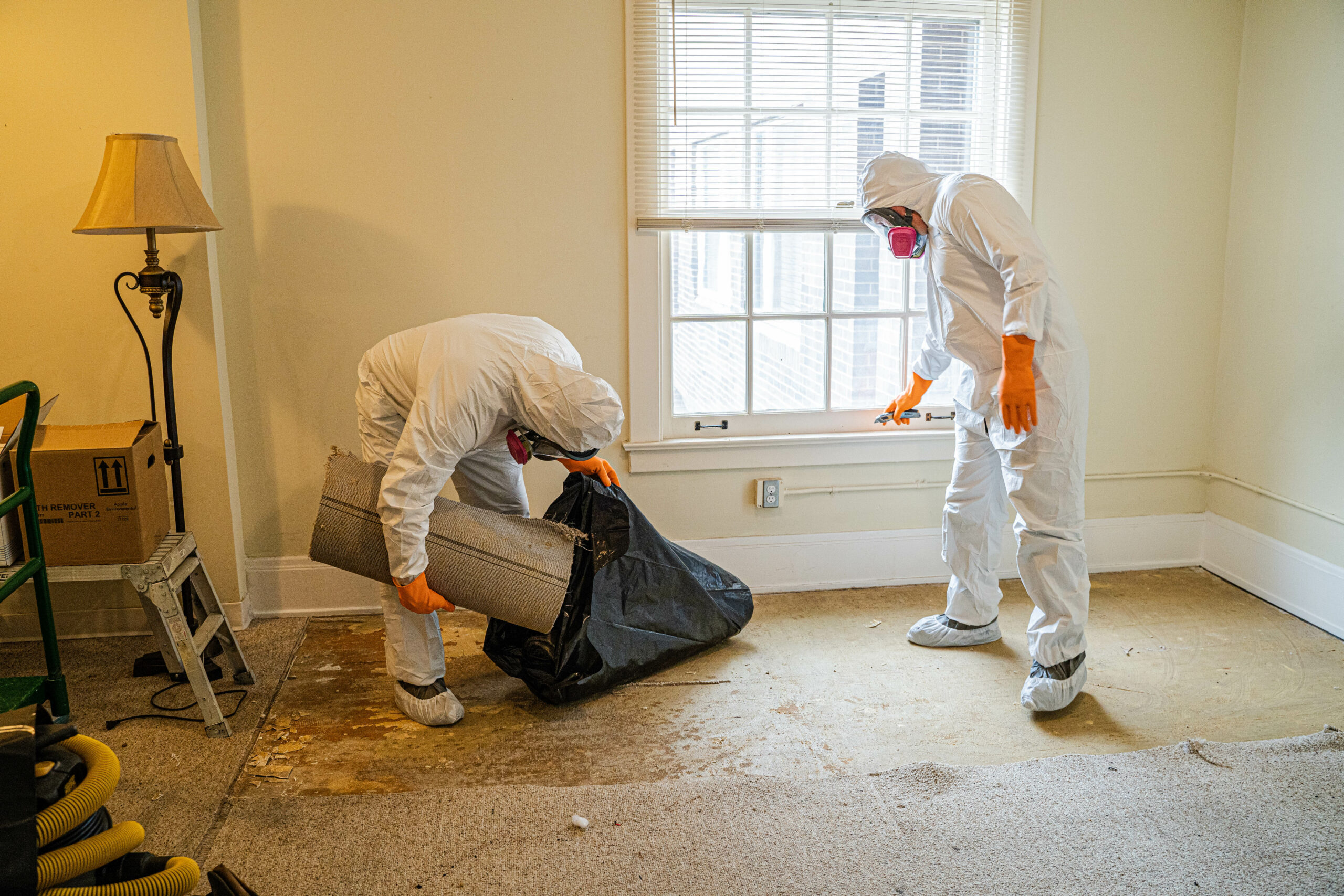
These compensations are designed to address both financial losses and personal hardships caused by the landlord's failure to maintain a habitable environment. Legal remedies often include rent reduction, reimbursement for expenses incurred due to the unsafe conditions, and compensation for emotional distress or physical harm.
- Rent abatement, which allows tenants to pay reduced rent or withhold rent until repairs are made, is a common remedy when conditions significantly affect livability, such as lack of heat, water, or electricity.
- Reimbursement for out-of-pocket expenses covers costs like temporary lodging, relocation fees, medical bills, or replacement of damaged belongings resulting from landlord neglect.
- Monetary damages for personal injury or emotional distress may be awarded if unsafe conditions lead to physical harm, illness, or significant psychological impact, especially in cases involving mold, lead exposure, or structural hazards.
Common Unsafe Conditions That May Warrant Compensation
Unsafe living conditions that justify compensation typically involve violations of health, safety, or building codes. Landlords are legally required to provide a habitable dwelling, and failure to do so can trigger a tenant’s right to claim compensation. The severity and duration of the condition often influence the type and amount of compensation available.
- Persistent mold growth due to water leaks or poor ventilation can cause respiratory issues and other health problems, making tenants eligible for medical expense claims and relocation costs.
- Defective electrical systems, exposed wiring, or lack of working smoke detectors present fire hazards and can lead to compensation for risk exposure and any resulting injuries or property damage.
- Structural deficiencies such as collapsing ceilings, broken stairs, or unstable flooring create immediate dangers and may justify compensation for injury, temporary housing, and repairs the tenant undertook themselves.
Steps to Claim Compensation from Your Landlord
To successfully claim compensation for unsafe living conditions, tenants must follow a clear legal process that ensures their rights are protected and documented. Acting methodically strengthens the case and increases the likelihood of receiving fair compensation without relying solely on litigation.
- Document all issues with dated photos, videos, written logs, and copies of communication with the landlord to establish a timeline and severity of the unsafe conditions.
- Send a written notice to the landlord detailing the problems and requesting repairs within a reasonable timeframe, as required by most rental agreements and housing laws.
- File a complaint with local housing authorities or tenant rights agencies to obtain an official inspection report, which can serve as critical evidence if the case proceeds to court or mediation.
Frequently Asked Questions
How do I report a landlord for unsafe living conditions?
Contact your local housing authority or code enforcement agency to file a formal complaint. Provide detailed information about the hazards, such as mold, pests, electrical issues, or lack of heat.
Include photos, dates, and prior communication with your landlord. Many cities offer online reporting or phone options. Reporting ensures an inspection and may compel the landlord to make repairs under local housing codes.
Can I remain anonymous when reporting unsafe rental conditions?
Some local agencies allow anonymous reporting, but providing your contact information strengthens the case and enables follow-up. While anonymity can protect your identity, it may limit the investigation.
Laws vary by location, and some states protect tenants from retaliation. Check with your local housing authority to understand your rights and options when reporting unsafe conditions without risking your privacy or lease.
What evidence should I gather before reporting my landlord?
Document unsafe conditions with dated photos or videos, written descriptions, and any communication with your landlord about the issues. Keep copies of repair requests, lease agreements, and inspection reports.
This evidence supports your report and protects you from retaliation. The more detailed your records, the stronger your case will be when filed with housing authorities or used in legal proceedings if necessary.
What happens after I report my landlord for unsafe conditions?
After filing a report, a housing inspector typically visits the property to assess violations. If code violations are found, the landlord receives a notice to correct the issues by a deadline.
Failure to comply may result in fines or legal action. In severe cases, authorities may declare the unit unlivable. You should receive updates depending on the agency's policies and local tenant protection laws.
Leave a Reply