
How do i report unsafe living conditions in virginia

Unsafe living conditions can pose serious risks to health and safety, making it essential for tenants in Virginia to know how to report issues effectively.
From mold and pest infestations to faulty wiring and lack of heat, multiple housing code violations may qualify as unsafe. Tenants have legal rights protected under Virginia's Residential Landlord and Tenant Act, which requires landlords to maintain habitable living environments.
Reporting begins with documenting the problem and notifying the landlord, but when issues remain unresolved, renters can escalate complaints to local code enforcement or housing authorities. Understanding the proper steps ensures timely interventions and protects tenant well-being across the state.
 Where do i report unsafe living conditions
How to Report Unsafe Living Conditions in Virginia
If you are experiencing or have observed unsafe living conditions in Virginia—such as severe mold, lack of heat, structural hazards, pest infestations, or unsafe electrical systems—you have the right to report these issues to the appropriate authorities.
Depending on the nature of the problem, multiple agencies may be involved in addressing your concerns, including local housing inspectors, the Virginia Department of Housing and Community Development (DHCD), or even health departments.
Tenants should first document the conditions with photos and written descriptions and, if possible, notify their landlord in writing. If the landlord fails to act, renters can file a formal complaint with their local code enforcement office or the county/city building inspector.
In cases involving health risks (like lead exposure or sewage backups), the local health department may also investigate. Retaliation by landlords against tenants who report unsafe conditions is illegal under Virginia law, so keep records of all communications and actions taken.
 Where to report unsafe living conditions
Who to Contact for Unsafe Rental Conditions in Virginia
In Virginia, the primary point of contact for reporting unsafe rental conditions is your local code enforcement office or building inspector. These local officials are responsible for enforcing housing codes such as the Virginia Uniform Statewide Building Code (USBC) and local housing ordinances.
You can typically find contact information through your city or county’s government website under departments like “Community Development,” “Housing,” or “Public Works.”
For multi-family housing or subsidized rental units, the Virginia Department of Housing and Community Development (DHCD) may also assist, especially if the property violates state or federally funded housing standards.
In emergencies—such as no heat during winter, gas leaks, or structural collapse—call 911 or your local non-emergency police line. It is crucial to provide detailed information, including the property address, nature of the hazard, and any prior attempts to resolve the issue with the landlord.
 Who do i report unsafe living conditions to
Documenting and Reporting Hazards as a Tenant
To effectively report unsafe living conditions, tenants should first document all issues thoroughly using dated photographs, videos, and written logs describing the problems and their impact on daily life.
Save copies of any written communication with your landlord, such as emails or letters requesting repairs, as this can serve as evidence if retaliation occurs or legal action becomes necessary.
When filing a formal complaint, many localities offer online portals, phone lines, or in-person submission options. For example, cities like Richmond, Virginia Beach, and Norfolk have online code violation reporting systems.
Be sure to include your contact information if you wish to receive updates, though some jurisdictions allow anonymous reporting. Remember that while landlords are legally required to maintain habitable conditions under Virginia’s implied warranty of habitability, government intervention usually requires clear evidence—so thorough documentation is essential to a successful report.
 How to report unsafe living conditions in california
Common Types of Reportable Unsafe Living Conditions
Numerous living conditions qualify as unsafe and are reportable under Virginia housing laws. These include, but are not limited to: lack of working heat during cold months, exposed wiring, severe water leaks or flooding, black mold infestations, rodent or insect infestations, broken locks on exterior doors, and unsafe stairways or railings.
Structural issues like sagging floors, collapsing ceilings, or large cracks in load-bearing walls are also serious violations. Additionally, properties without potable water, functional plumbing, or working smoke detectors violate basic habitability standards. Below is a table summarizing common hazards and the likely reporting agency:
| Unsafe Condition | Primary Reporting Agency |
|---|---|
| No heat, water, or electricity | Local Code Enforcement / Building Inspector |
| Mold, pests, sewage backup | Local Health Department |
| Structural damage or unsafe stairs | City/County Building Safety Office |
| Fire hazards (blocked exits, faulty wiring) | Fire Marshal or Fire Department |
| Landlord retaliation after complaints | Virginia Fair Housing Office or Legal Aid |
How to Report Unsafe Living Conditions in Virginia: A Complete Guide
What Constitutes Reportable Unsafe Living Conditions in Virginia?
Structural Hazards in Rental Properties
Structural issues in a residential property can present serious risks to inhabitants and are considered reportable unsafe living conditions in Virginia. These hazards may compromise the integrity of the building and directly affect the safety of occupants.
 How to report unsafe living conditions in michigan
When a dwelling exhibits structural deficiencies, such as large cracks in load-bearing walls, sagging floors, collapsing ceilings, or unstable staircases, it can constitute a violation of Virginia’s housing codes.
Tenants are encouraged to document these conditions through photos or videos and report them to the appropriate authorities for inspection and enforcement. Local housing inspectors or code enforcement officers have the authority to assess whether the property meets minimum structural standards under the Virginia Uniform Statewide Building Code (USBC).
- Visible and expanding cracks in foundation or walls, especially near support beams or corners of the building, which may indicate shifting or settling that jeopardizes structural stability.
- Floors that are uneven, soft, or bouncy underfoot, suggesting underlying support system failure, such as damaged joists or rotting subflooring.
- Roof collapse risks, including sagging roofs, missing shingles, or waterlogged attic insulation, which may lead to interior damage and safety hazards during inclement weather.
Deficiencies in Essential Utilities and Services
In Virginia, landlords are legally obligated to maintain key utilities necessary for habitable living, and the absence or malfunction of these services qualifies as an unsafe living condition.
The Virginia Residential Landlord and Tenant Act mandates that rental units must have working plumbing, heating, electricity, and access to clean water.
Any disruption in these services that poses a health or safety threat is reportable. For example, lack of heat during winter months, non-functional electrical outlets, or persistent sewage backups can create dangerous circumstances for tenants.
These conditions not only impair daily living but may also violate local or state housing regulations, prompting a formal inspection if reported to the appropriate agency.
- Failure to provide adequate heating (at least 65°F in occupied rooms) between October 1 and April 1, as required by many Virginia jurisdictions, especially affecting elderly or vulnerable residents.
- Contaminated or non-potable water supply, including discolored water, no running water, or water with a sewage odor, which can lead to disease and sanitation issues.
- Electrical hazards such as exposed wiring, frequently blown fuses, or lack of grounding in outlets, which increase the risk of fire or electrocution and violate standard electrical codes.
Pest Infestations and Sanitation Problems
Severe pest infestations and chronic sanitation failures are recognized as unsafe living conditions under Virginia law, particularly when they threaten public health.
While minor pest problems may be common, infestations involving rodents, cockroaches, or bedbugs that are widespread and untreated can render a unit uninhabitable. Similarly, accumulation of trash, mold overgrowth, unsanitary common areas, or recurring sewage backups create environments conducive to disease and allergens.
These issues often stem from poor property maintenance and may be the responsibility of the landlord to remedy. Tenants experiencing such conditions are advised to notify their landlord in writing and escalate the matter to local health or code enforcement agencies if no action is taken.
- Pervasive mold growth, especially black mold on walls, ceilings, or within ventilation systems, which can cause respiratory problems and is typically a result of unresolved moisture or water intrusion issues.
- Active rodent infestations, identifiable by droppings, gnaw marks, or nesting materials, that present risks of disease transmission and indicate poor building sealing or waste management.
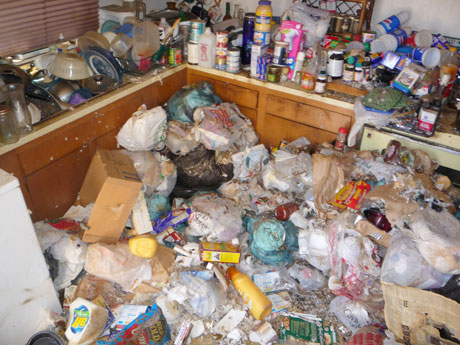
- Accumulation of garbage or human/animal waste in shared areas or within individual units due to inadequate waste disposal systems, which attracts vermin and fosters unsanitary living conditions.
Can you take legal action for unsafe housing conditions in Virginia?
Yes, you can take legal action for unsafe housing conditions in Virginia. Tenants have legal rights under both state and federal law to live in habitable housing that meets basic health and safety standards.
When landlords fail to maintain safe and livable conditions—such as by neglecting major repairs, allowing mold or pest infestations, or failing to provide heat, water, or electricity—tenants may have grounds to pursue legal remedies.
These can include repair and deduct, withholding rent, or even terminating the lease in severe cases. Legal action often begins with written notice to the landlord, but if issues persist, tenants can file complaints with local code enforcement or bring a case in court.
What Constitutes Unsafe Housing in Virginia?
- Unsafe housing in Virginia includes conditions that violate the warranty of habitability, which requires landlords to provide safe and sanitary living conditions. This includes failure to address structural damage, such as holes in walls or floors, broken windows, or unstable stairs that pose safety risks.
- Other critical issues include lack of essential services like hot or cold running water, working plumbing, adequate heating during winter months, or functional electrical systems. The Virginia Residential Landlord and Tenant Act (VRLTA) specifies these as fundamental requirements for habitability.
- Infestations of rodents or insects, widespread mold due to unresolved water leaks, and the presence of lead-based paint in older buildings also qualify as unsafe conditions. Local housing codes enforced by city or county inspectors can also define additional health and safety standards that buildings must meet.
What Legal Steps Can Tenants Take?
- First, tenants should formally notify the landlord in writing, specifying the problems and requesting repairs within a reasonable timeframe. This written notice helps establish a record if legal action becomes necessary. Under Virginia law, for certain serious defects, tenants may have the right to repair and deduct up to $1,500 or one month’s rent, whichever is less, after giving a 14-day notice.
- Alternatively, if the landlord fails to act and conditions seriously affect health or safety, tenants may petition the court to withhold rent and have the amount placed in escrow while repairs are pursued. This requires filing a motion in the appropriate general district court and attending a hearing to present evidence.
- Tenants can also report the conditions to local housing or code enforcement agencies, which can inspect the property and issue violation notices to the landlord. If violations are confirmed, the landlord could face fines and be ordered to make repairs, strengthening the tenant’s legal position if they need to go to court.
Are There Limitations or Risks in Taking Legal Action?
- Tenants must ensure they comply with all lease terms and continue paying rent unless legally allowed to withhold it, as failing to do so without justification can lead to eviction proceedings. The repair and deduct option, for example, can only be used once per 12-month period and is limited in amount.
- There is a risk of retaliatory eviction, though Virginia law prohibits landlords from retaliating against tenants for asserting their legal rights, such as reporting unsafe conditions. Tenants should document all communications and actions to protect themselves if disputes escalate.
- Legal action can be time-consuming and may require gathering evidence like photographs, repair estimates, written notices, and witness statements. Without proper documentation, it may be difficult to prove the severity of conditions or the landlord’s failure to act, potentially weakening the case in court.
What is the proper way to report unsafe housing conditions in Virginia?
Identify the Type of Housing Violation
- Before reporting unsafe housing conditions in Virginia, it is important to determine the specific type of violation. Common issues include lack of heat, plumbing failures, electrical hazards, structural damage, mold growth, pest infestations, and inadequate sanitation.
- Distinguish whether the property is public housing, subsidized housing, or privately owned, as reporting procedures may vary. For instance, federally subsidized housing is subject to U.S. Department of Housing and Urban Development (HUD) standards, while private rentals fall under local and state housing codes.
- Document the problem thoroughly by taking dated photos, keeping written records, and noting any communication with the landlord. This documentation can support your case if further action is needed.
Contact the Local Housing or Building Inspector
- In most Virginia jurisdictions, unsafe housing conditions should be reported to the local county or city building or housing inspection department. These offices enforce the Virginia Uniform Statewide Building Code and local housing ordinances.
- Find the appropriate office by searching online for your city or county’s government website and looking for departments such as Code Enforcement, Housing Inspections, or Building Safety. Many localities offer online complaint forms, phone reporting, or in-person filing options.
- When reporting, provide detailed information including your address (anonymity may be possible in some cases), a description of the hazards, and any supporting evidence. The inspector will schedule a visit to assess the property and determine code violations.
Know Your Legal Protections as a Tenant
- Tenants in Virginia are protected from retaliation under state law when reporting legitimate housing code violations in good faith. Landlords cannot evict, refuse renewal, or reduce services as punishment for filing a complaint.
- If retaliation occurs, document all incidents and consider filing a complaint with the local court or contacting a legal aid organization such as Legal Aid Works or the Virginia Poverty Law Center for assistance.
- In extreme cases where conditions threaten health or safety and the landlord fails to act, tenants may have legal options such as withholding rent (only under specific circumstances and with proper notice), repairing and deducting (if allowed by lease and law), or contacting additional agencies like the Virginia Department of Social Services for emergency housing assistance.
Frequently Asked Questions
How can I report unsafe living conditions in Virginia?
You can report unsafe living conditions in Virginia by contacting your local health department or housing authority. Many cities and counties have specific code enforcement offices that handle housing violations.
You may also file a complaint online through your local government's website. For emergency situations, such as lack of heat or structural hazards, call 911 or your local non-emergency police line for immediate assistance.
What qualifies as an unsafe living condition in Virginia?
Unsafe living conditions in Virginia include lack of heat, water, or electricity; structural damage; mold or pest infestations; exposed wiring; and plumbing issues.
Violations of building or housing codes also count. These conditions must pose a risk to health or safety. Local housing inspectors determine severity and whether repairs or evacuation are necessary. Documenting issues with photos and notes strengthens your report.
Can I remain anonymous when reporting unsafe housing in Virginia?
Yes, you can often remain anonymous when reporting unsafe housing in Virginia, especially through local health departments or online reporting systems.
However, providing contact information may help officials follow up if additional details are needed. Landlords cannot legally retaliate against tenants for valid complaints, even if your identity is known. Check your local jurisdiction’s policies for specific anonymity options.
What happens after I report unsafe living conditions in Virginia?
After you report unsafe living conditions, a local housing or code enforcement officer will typically inspect the property.
If violations are found, the landlord will be ordered to make repairs within a certain timeframe. Failure to comply may result in fines or legal action. In severe cases, the unit may be declared uninhabitable. You should receive updates from the reporting agency during the process.
Leave a Reply