
Always report unsafe conditions
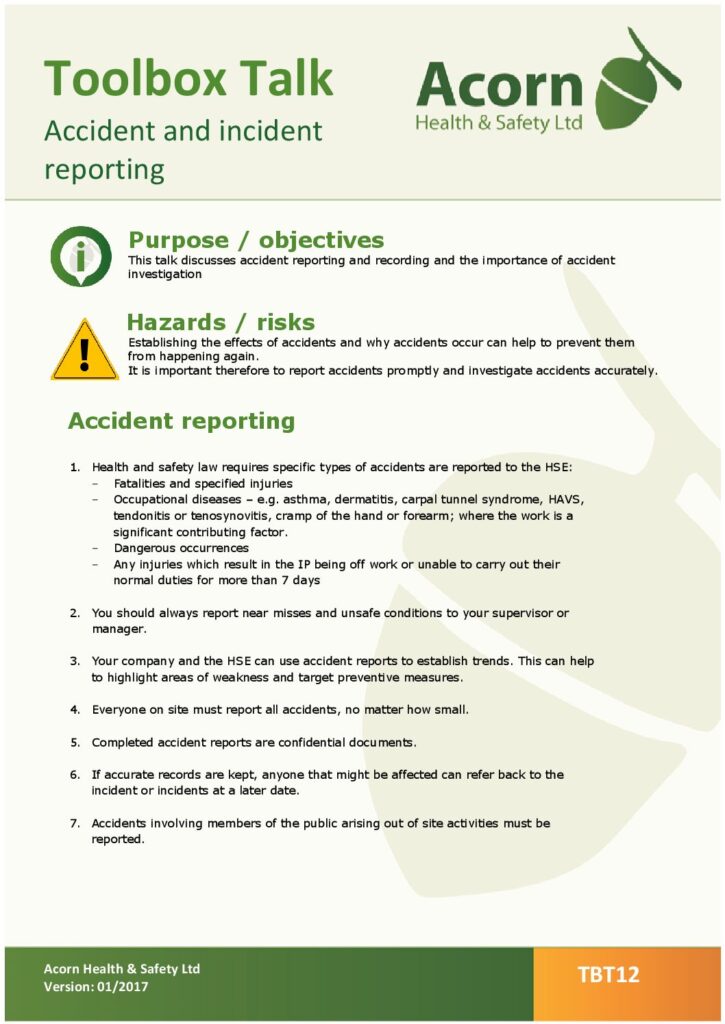
Unsafe conditions in any environment, whether at work, home, or public spaces, pose serious risks to health and safety. Ignoring them can lead to accidents, injuries, or even fatalities.
That is why it is crucial to always report unsafe conditions as soon as they are identified. Prompt reporting allows responsible parties to take corrective actions quickly, preventing potential harm.
Everyone shares responsibility in maintaining safe surroundings, and speaking up is a key part of that duty. No concern is too small when safety is at stake. Reporting ensures accountability, promotes awareness, and contributes to a culture of safety where well-being is prioritized for all.
 Report any unsafe conditions
Why You Should Always Report Unsafe Conditions
Reporting unsafe conditions in the workplace or public environments is a critical step in maintaining safety, preventing accidents, and fostering a culture of responsibility.
When hazards are identified and communicated promptly, organizations can take swift corrective actions to mitigate risks before they lead to injuries, equipment damage, or operational disruptions. Failure to report such conditions not only endangers the individual who observes the hazard but also places coworkers, customers, or the public at risk.
Encouraging open communication and providing accessible reporting channels empowers individuals to act as proactive stewards of safety. Moreover, consistent reporting helps organizations comply with legal and regulatory standards, avoid liability, and continuously improve safety protocols through data-driven insights.
What Constitutes an Unsafe Condition?
An unsafe condition refers to any situation, environment, or physical state that has the potential to cause harm, injury, or accident if left unaddressed.
 African american fighter pilots who overcame racial discrimination
Examples include exposed electrical wiring, wet floors without warning signs, malfunctioning machinery, blocked emergency exits, poor lighting, or improperly stored hazardous materials. These conditions may not always result in immediate harm, but they significantly increase the likelihood of incidents occurring.
Recognizing and understanding what qualifies as an unsafe condition is essential for timely reporting. Workers and individuals should rely on safety training, organizational guidelines, and basic risk awareness to identify such hazards, even when they seem minor, because small oversights can escalate into major incidents.
How to Effectively Report Safety Concerns
To ensure that unsafe conditions are addressed efficiently, individuals should follow established reporting procedures within their organization or community.
This typically involves notifying a supervisor, completing a safety incident form, using a designated digital platform, or contacting a health and safety officer. Reports should be as detailed as possible, including the location, nature of the hazard, time of discovery, and any immediate actions taken.
 Against racial discrimination
Some workplaces also offer anonymous reporting options to encourage transparency without fear of retaliation. The key is promptness—delaying a report can allow the condition to worsen or expose others to risk. Documenting the report, when possible, helps track resolution and ensures accountability.
The Role of Management in Responding to Reports
Once an unsafe condition is reported, management plays a crucial role in investigating, addressing, and communicating the resolution. Leaders must take every report seriously, regardless of perceived severity, to maintain trust and reinforce a strong safety culture.
Immediate steps may include cordoning off hazardous areas, repairing equipment, or updating safety procedures. Additionally, management should provide feedback to the reporter about what actions were taken.
This transparency reinforces the value of reporting and encourages future vigilance. Regular review of reported incidents can also help identify recurring issues and inform broader safety training programs or infrastructure improvements.
 Airbnb racial discrimination
| Unsafe Condition Example | Immediate Risk | Recommended Action |
|---|---|---|
| Frayed electrical cord on a power tool | Electric shock or fire hazard | Unplug and tag the equipment, report to maintenance |
| Oil spill in a warehouse aisle | Slip-and-fall accident | Clean immediately or place warning cones, report to supervisor |
| Missing guard on machinery | Caught-in or caught-between injury | Stop using the machine, report for repair before operation |
| Blocked fire extinguisher access | Delayed emergency response | Clear the area, report to safety officer |
Frequently Asked Questions
Why should I report unsafe conditions?
Reporting unsafe conditions helps prevent accidents and injuries in the workplace. It allows management to address hazards before they cause harm. Everyone benefits from a safer, healthier environment. Reporting also fulfills legal and organizational safety requirements.
Early reporting can stop small issues from becoming major problems. Your vigilance supports team well-being and promotes a strong safety culture for all employees.
How do I report an unsafe condition?
To report an unsafe condition, notify your supervisor or use your company’s designated reporting system, such as a safety hotline, online form, or incident report. Include specific details like location, time, and what makes the condition dangerous. If possible, take photos. Report immediately—even if no injury occurred. Prompt, clear reporting ensures quick action and shows commitment to maintaining safety standards across the workplace.
What happens after I report an unsafe condition?
After you report, the matter is reviewed by safety officers or management. An investigation may follow to verify the hazard. Corrective actions, such as repairs, warnings, or policy changes, are taken promptly.
You may be informed of the outcome, depending on company policy. Reports are handled seriously and confidentially. The goal is to resolve the issue quickly and prevent future risks for everyone in the workplace.
Can I be punished for reporting an unsafe condition?
No, you should never be punished for reporting an unsafe condition in good faith. Laws and company policies protect employees who report safety concerns.
Retaliation is illegal and strictly prohibited. Employers are required to maintain a safe environment and encourage open communication. If you face retaliation, report it immediately through proper channels. Your safety and right to speak up are legally protected.
Leave a Reply