
Osha laser safety standards
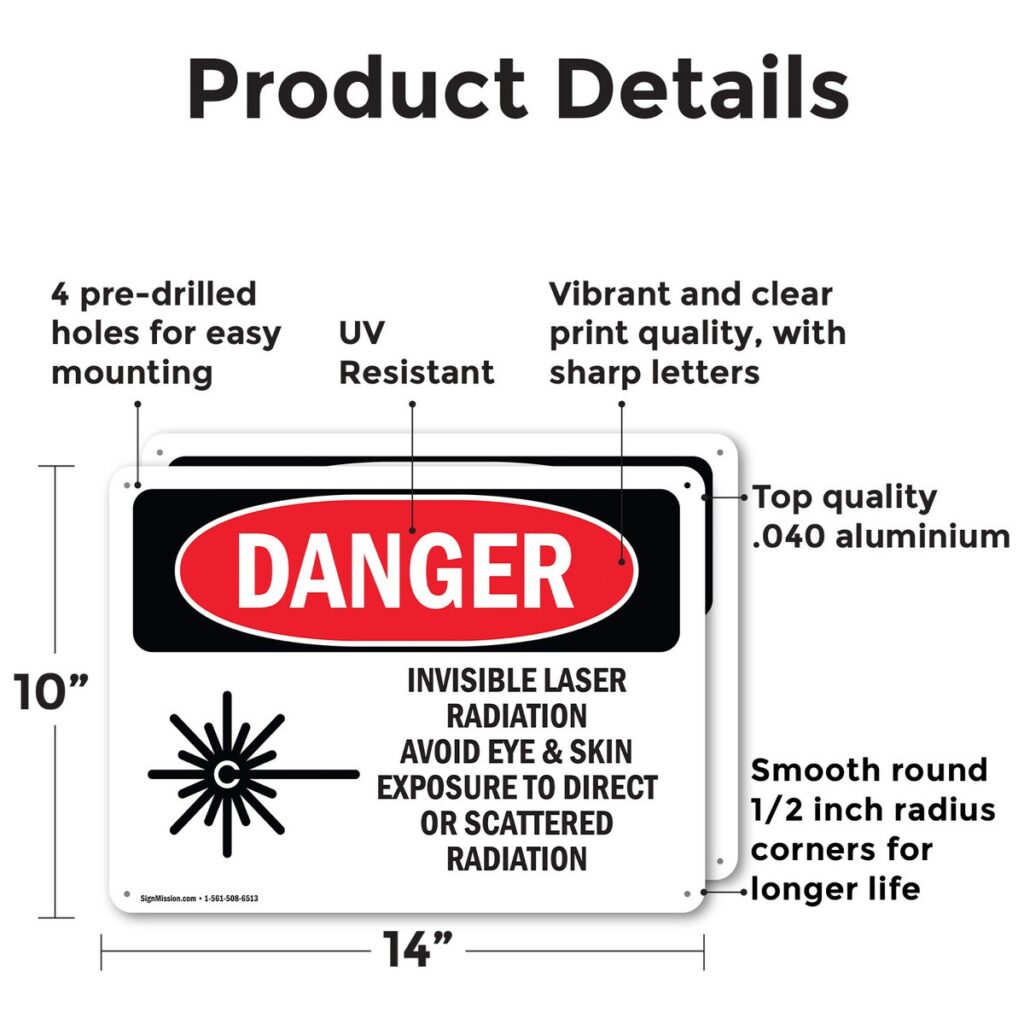
Laser technology is widely used across industries, from manufacturing to healthcare, but its powerful applications come with significant risks if not properly managed. The Occupational Safety and Health Administration (OSHA) has established laser safety standards to protect workers from potential hazards such as eye injuries, skin burns, and fire risks.
While OSHA does not have a standalone regulation specifically for lasers, it enforces safety through general industry standards, incorporating guidelines from organizations like the American National Standards Institute (ANSI). Understanding OSHA’s laser safety requirements is essential for employers to maintain compliance and ensure a safe working environment where laser systems are in use.
Understanding OSHA Laser Safety Standards in the Workplace
The Occupational Safety and Health Administration (OSHA) does not have a standalone standard specifically for laser safety, but it ensures worker protection through a combination of general industry standards and guidelines that address the hazards associated with laser use.
 America racial discrimination
Employers must comply with the General Duty Clause of the Occupational Safety and Health Act, which requires workplaces to be free from recognized hazards likely to cause death or serious physical harm—including those posed by lasers.
OSHA often refers to consensus standards such as the ANSI Z136.1 Safe Use of Lasers, widely recognized as the primary guide for laser safety in the United States. These standards help define control measures, hazard evaluations, and protective practices for different laser classes.
Compliance involves conducting laser hazard assessments, implementing engineering controls (like enclosures and interlocks), employing administrative controls (such as training and restricted access), and providing appropriate personal protective equipment (PPE), particularly laser protective eyewear.
Ensuring adherence to these practices reduces the risk of eye and skin injuries, fire hazards, and electrical risks commonly associated with laser systems in industrial, medical, and research environments.
 An example of racial discrimination
Classification of Lasers Under OSHA and ANSI Guidelines
Lasers are categorized into classes based on their potential to cause harm, ranging from Class 1 (lowest risk) to Class 4 (highest risk), a system adopted by OSHA through reference to ANSI Z136.1 standards. Class 1 lasers are considered inherently safe under normal operating conditions, while Class 2 lasers—typically visible light lasers—are safe due to the human blink reflex.
Class 3 lasers require stricter controls, including limited access and trained operators, as they can pose eye hazards if directly viewed. Class 4 lasers, the most dangerous, can cause severe eye and skin injuries, start fires, and generate hazardous fumes, necessitating interlocks, warning signs, beam shutters, and controlled environments.
OSHA expects employers to identify the laser class in use and implement corresponding safety measures accordingly. Proper classification informs risk assessment and determines the level of engineering and procedural safeguards needed to ensure worker safety in various operational settings.
Engineering and Administrative Controls for Laser Safety
OSHA emphasizes the use of engineering controls to minimize laser exposure at the source, including beam enclosures, non-reflective surfaces, and interlocks on protective housings that deactivate the laser when opened. Other essential measures include beam path enclosures, remote interlock connectors for high-powered systems, and emergency stop devices.
 Anti racial discrimination
In addition to engineering solutions, administrative controls play a critical role—these include comprehensive laser safety training, establishment of laser-controlled areas, and clearly defined operating procedures. Employers must appoint a Laser Safety Officer (LSO) in settings where Class 3B or Class 4 lasers are used, as recommended by ANSI and supported by OSHA’s enforcement policies.
The LSO oversees safety protocols, conducts audits, ensures proper signage, and verifies that only authorized and trained personnel operate laser equipment, thereby significantly reducing the likelihood of accidental exposure.
Personal Protective Equipment and Hazard Awareness
When engineering and administrative controls cannot fully eliminate laser hazards, personal protective equipment (PPE) becomes essential, particularly laser protective eyewear tailored to the specific wavelength and power of the laser in use. OSHA requires that PPE be appropriate for the hazard, properly maintained, and used consistently.
Protective eyewear must have adequate optical density (OD) to reduce laser beam exposure to safe levels and should be clearly labeled with its protection specifications. In addition to eyewear, protective clothing may be necessary when working with high-powered lasers to prevent skin burns.
 Anti racial discrimination laws
Workers must also be trained to recognize secondary hazards, such as electrical risks from high-voltage components, laser-generated air contaminants (LGACs), and fire risks with Class 4 lasers. Clear laser warning signs, audible alarms, and proper ventilation systems further enhance workplace awareness and safety.
| Laser Class | Hazard Level | Key Safety Requirements |
|---|---|---|
| Class 1 | Safe under normal use | No special controls required; inherently safe design |
| Class 2 | Low risk (visible light only) | Caution labels; blink reflex provides protection |
| Class 3R | Moderate risk | Limited power; avoid direct eye exposure; training recommended |
| Class 3B | Eye hazard (direct/viewed exposure) | Laser-controlled area, LSO oversight, protective eyewear required |
| Class 4 | High risk (eye, skin, fire) | Interlocks, enclosures, emergency stops, full PPE, ventilation for fumes |
Comprehensive Guide to OSHA Laser Safety Standards and Compliance Requirements
What are the OSHA laser safety requirements for Class 4 lasers?
Laser Hazard Classification and Class 4 Laser Characteristics
Class 4 lasers are defined as high-powered lasers that pose significant risks to both eyes and skin due to their ability to emit radiation capable of causing immediate injury even from direct or scattered exposure.
OSHA, while not maintaining its own standalone laser classification system, relies on the American National Standards Institute (ANSI) Z136.1 standard for Safe Use of Lasers to define laser classes, including Class 4.
These lasers have an accessible emission limit (AEL) greater than 500 milliwatts for continuous-wave lasers, making them capable of producing severe skin burns, eye injuries, and even posing fire hazards. Because of the high risk associated with Class 4 lasers, OSHA mandates strict adherence to engineering and administrative controls to mitigate these dangers in occupational environments.
- Class 4 lasers are capable of causing immediate skin and eye damage from direct, reflected, or scattered beam exposure.
- They can ignite combustible materials, making fire safety a critical consideration in laser operation zones.
- OSHA adopts ANSI Z136.1 guidelines for laser classification, requiring employers to treat Class 4 lasers as potentially hazardous in all operational modes.
Engineering Controls for Class 4 Lasers
OSHA requires that appropriate engineering controls be implemented to prevent unnecessary exposure when working with Class 4 lasers.
These controls are designed to minimize risks through physical modifications to the laser system or its environment. Key engineering safeguards include the use of beam enclosures, interlocks on protective housings, non-reflective surfaces to reduce diffuse reflections, and the installation of remote firing systems to limit operator presence near the beam path.
Additionally, appropriate beam stops or attenuators must be used to safely terminate beams at the end of their useful path. The laser system should be equipped with power indicators and shutters to ensure beam visibility and containment when not actively in use.
- Beam enclosures must cover operational sections of the laser to prevent accidental exposure during normal operation.
- Interlocks must disable the laser when protective housings are opened, ensuring safety during maintenance.
- Work areas should have non-reflective surfaces, fire-resistant materials, and controlled access to limit exposure and fire risks.
Administrative and Procedural Safety Measures
In addition to engineering controls, OSHA emphasizes the implementation of administrative and procedural safeguards for environments using Class 4 lasers.
These include the designation of a Laser Safety Officer (LSO) responsible for overseeing laser safety practices, conducting risk assessments, and ensuring compliance with safety standards. Employers must establish formal laser safety programs that include written operating procedures, emergency response plans, and maintenance protocols.
Training is mandatory for all personnel working with or near Class 4 lasers, covering topics such as hazard recognition, proper use of personal protective equipment (PPE), and emergency procedures for accidental exposure. Access to laser operation areas must be restricted to authorized and trained personnel, and appropriate warning signs must be posted at entrances.
- Employers must appoint a qualified Laser Safety Officer to supervise safety compliance and conduct regular audits.
- All personnel must receive comprehensive training on laser hazards, safety procedures, and the correct use of protective equipment.
- Controlled access, with warning signs and entry protocols, is required to prevent unauthorized exposure in Class 4 laser areas.
What are the OSHA laser safety standards and checklist requirements for workplace compliance?
OSHA's Role in Laser Safety and Applicable Standards
While the Occupational Safety and Health Administration (OSHA) does not have a standalone standard specifically dedicated to laser safety, it enforces compliance through a combination of general industry standards and recognized guidelines.
OSHA relies heavily on consensus standards such as the American National Standards Institute (ANSI) Z136.1, which provides comprehensive guidance on the safe use of lasers in the workplace. OSHA applies provisions from 29 CFR 1910, including Subpart K (Medical and First Aid), Subpart I (Personal Protective Equipment), and general duty clauses, to ensure protection against laser-related hazards.
Employers are required to identify laser risks associated with their operations and implement appropriate controls to prevent injuries such as eye damage, skin burns, and fire hazards. Regulatory oversight is especially critical in industries like manufacturing, healthcare, construction, and research, where Class 3B and Class 4 lasers are commonly used.
- OSHA uses the General Duty Clause to require employers to provide a workplace free from recognized hazards, including those posed by improper laser use.
- Compliance often involves adherence to ANSI Z136.1, which OSHA recognizes as an industry best practice for laser safety.
- Standards from 29 CFR 1910.132 (PPE) and 1910.133 (eye and face protection) are frequently cited in laser safety inspections to mandate protective equipment.
Key Elements of a Laser Safety Program for OSHA Compliance
A robust laser safety program is essential for meeting OSHA expectations and minimizing workplace risks. This program must be tailored to the specific types of lasers used and the environments in which they operate. Central to the program is the appointment of a Laser Safety Officer (LSO), who is responsible for overseeing laser operations, ensuring proper training, and conducting hazard evaluations.
The program should include documented standard operating procedures (SOPs), hazard assessments for each laser classification, and safety controls such as engineering safeguards (e.g., interlocks, beam enclosures), administrative actions (e.g., access restrictions), and the use of personal protective equipment. Regular audits and employee training sessions help maintain ongoing compliance and promote a culture of safety.
- Designation of a qualified Laser Safety Officer to supervise laser use and ensure regulatory compliance.
- Completion of a formal hazard evaluation for all laser systems, including classification and potential exposure risks.
- Implementation of engineering controls such as beam shuttering, proper ventilation for laser-generated air contaminants, and fail-safe interlocks on high-powered systems.
Essential Components of an OSHA-Aligned Laser Safety Checklist
A comprehensive laser safety checklist serves as a practical tool for ensuring ongoing compliance with OSHA guidelines and ANSI recommendations.
This checklist should be used routinely during inspections and audits to verify that all safety protocols are properly implemented and maintained. It typically covers areas such as equipment labeling, control measures, employee training records, emergency procedures, and PPE availability.
Each laser must display a warning label indicating its class, wavelength, and maximum output, and work areas should be clearly designated with appropriate warning signs. The checklist also confirms that only authorized and trained personnel operate high-risk lasers and that protective eyewear is matched to the specific laser parameters in use.
- Verification that all lasers are properly labeled with class, wavelength, and output information in accordance with ANSI standards.
- Review of training records to ensure all personnel operating or working near lasers have received up-to-date safety instruction.
- Inspection of PPE, especially laser safety eyewear, to confirm it is appropriate for the laser’s wavelength and optical density requirements.
What are the key differences between ANSI and OSHA laser safety standards?
Scope and Development of ANSI and OSHA Standards
- The ANSI Z136 series, particularly ANSI Z136.1, is developed by the American National Standards Institute in collaboration with the Laser Institute of America. It provides comprehensive guidelines for the safe use of lasers, covering technical aspects such as laser classifications, hazard evaluation, and control measures. This standard is considered a consensus-based document shaped by expert input from various technical, academic, and industrial fields.
- In contrast, OSHA (Occupational Safety and Health Administration) does not have a standalone laser-specific regulation. Instead, OSHA enforces laser safety under the General Duty Clause of the Occupational Safety and Health Act, which requires employers to provide a workplace free from recognized hazards. OSHA may also reference other standards, including ANSI Z136, to support enforcement actions when laser hazards are present.
- While ANSI standards are voluntary unless adopted by regulatory authorities, OSHA standards are legally enforceable. This distinction means that compliance with ANSI Z136 is not automatically required by law, but following these guidelines can help organizations meet OSHA’s broader safety obligations.
Differences in Technical Detail and Application
- ANSI Z136.1 offers detailed, technically robust methodologies for evaluating laser hazards, including calculation of Maximum Permissible Exposure (MPE), Nominal Hazard Zone (NHZ), and required control measures like engineering controls, administrative procedures, and personal protective equipment (PPE). These guidelines are frequently updated to reflect advances in laser technology and medical research on biological effects.
- OSHA does not provide such granular technical guidance. Its approach is more outcome-oriented, focusing on preventing injury and illness rather than prescribing specific exposure calculations or engineering solutions. OSHA inspectors may rely on ANSI recommendations during evaluations, but they do not mandate the use of MPE or NHZ calculations unless clearly linked to recognized hazards.
- As a result, employers often adopt the ANSI standard as a benchmark for best practices to ensure they meet or exceed OSHA’s expectations. This hybrid use allows for technically sound safety programs that align with regulatory enforcement priorities.
Enforcement and Compliance Requirements
- OSHA has the authority to conduct inspections, issue citations, and impose penalties for noncompliance with safety regulations. If a workplace experiences a laser-related incident, OSHA can cite the employer under the General Duty Clause if it can demonstrate that a hazard existed, the employer knew or should have known about it, and the hazard was likely to cause death or serious harm.
- ANSI, on the other hand, does not have enforcement power. Compliance with ANSI Z136 is voluntary and driven by industry norms, accreditation requirements, or incorporation into organizational policies. However, in legal or regulatory proceedings, adherence to ANSI standards can serve as evidence that an employer exercised due diligence in protecting workers.
- Many industries, such as healthcare, research, and advanced manufacturing, incorporate ANSI Z136 into their safety protocols to preemptively comply with OSHA's broad safety mandates. This proactive alignment reduces legal risk and enhances overall workplace safety culture.
Frequently Asked Questions
What are OSHA's general requirements for laser safety in the workplace?
OSHA does not have a specific standard for laser safety but relies on the General Duty Clause to enforce safe practices. Employers must identify laser hazards and implement controls such as engineering safeguards, administrative procedures, and PPE. OSHA often refers to ANSI Z136.1 standards for guidance. Proper training, hazard evaluations, and protective measures are essential to comply with OSHA’s safety expectations regarding laser use in occupational settings.
Does OSHA recognize ANSI laser safety standards?
Yes, OSHA recognizes the ANSI Z136.1 standard as a recognized guideline for laser safety in the workplace. While not a regulatory requirement itself, OSHA uses ANSI standards as evidence of accepted safety practices during inspections. Employers following ANSI Z136.1 are more likely to meet OSHA’s General Duty Clause requirements. Compliance with ANSI helps demonstrate due diligence in protecting workers from laser-related hazards like eye and skin injuries.
Are employers required to have a Laser Safety Officer (LSO) under OSHA regulations?
OSHA does not explicitly require a Laser Safety Officer (LSO), but it strongly recommends one based on ANSI Z136.1 guidelines. The LSO oversees safety procedures, ensures compliance, and manages training and hazard assessments. In workplaces with high-powered lasers, having an LSO helps meet OSHA’s General Duty Clause by demonstrating a commitment to identifying and mitigating laser hazards effectively and systematically.
What types of protective measures does OSHA recommend for laser operations?
OSHA recommends engineering controls like enclosures and interlocks, administrative controls such as warning signs and restricted access, and personal protective equipment (PPE) including laser safety goggles. Employers should conduct hazard analyses, provide worker training, and maintain equipment properly. These measures help minimize risks of eye and skin injury. Adhering to these practices supports compliance with OSHA’s General Duty Clause for maintaining a safe work environment.
Leave a Reply