
Report any unsafe conditions
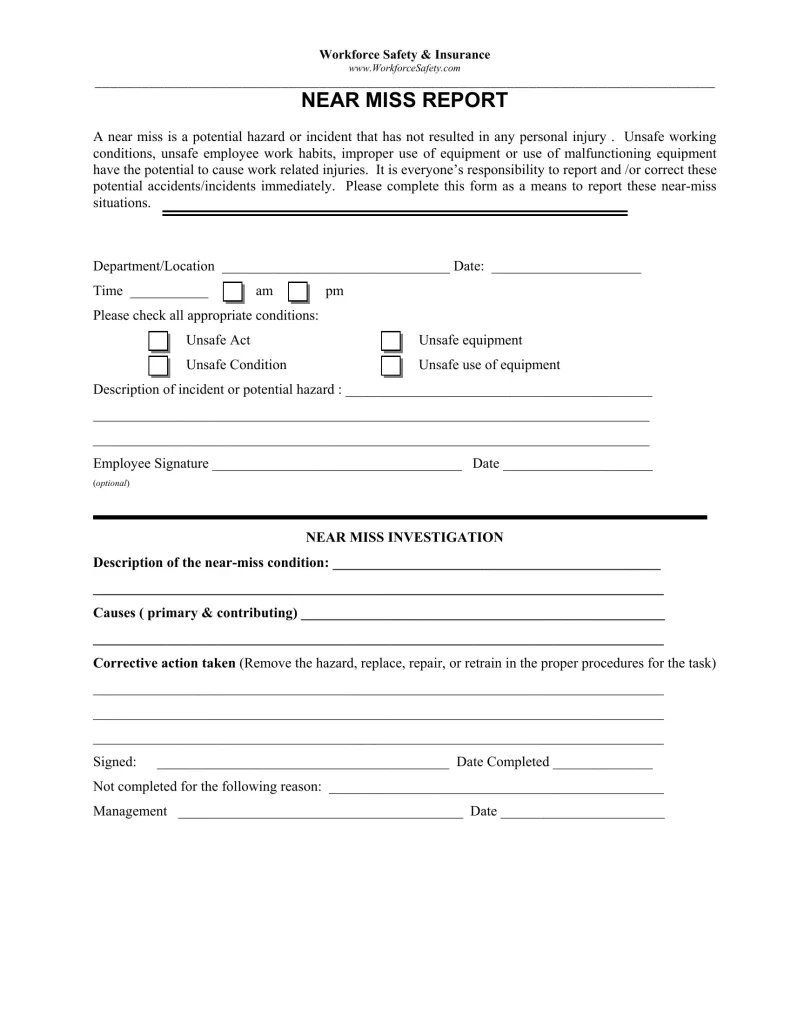
Unsafe conditions in any environment—whether at work, in public spaces, or at home—can lead to serious injuries, accidents, or even fatalities if left unaddressed.
Recognizing and reporting these hazards promptly is a shared responsibility that promotes safety and prevents harm. From faulty equipment and slippery floors to poor lighting and blocked exits, potential dangers must be communicated to the appropriate authority without delay.
Reporting unsafe conditions not only protects individuals but also fosters a culture of accountability and proactive risk management. This article explores the importance of identifying hazards, the correct procedures for reporting them, and the positive impact such actions have on overall safety.
 Report unsafe conditions
Reporting Unsafe Conditions: Ensuring a Safer Workplace Environment
Creating and maintaining a safe work environment is a shared responsibility between employees, supervisors, and management. One of the most effective ways to prevent accidents, injuries, and long-term health issues in the workplace is by promptly reporting any unsafe conditions as soon as they are identified.
Whether it's a wet floor, faulty electrical wiring, malfunctioning equipment, or poor ergonomics, bringing these hazards to the attention of the proper personnel allows for immediate corrective actions.
A culture that encourages transparency and open communication about safety concerns significantly reduces the risk of incidents and promotes a proactive approach to workplace safety. Employers are not only ethically but often legally obligated to address reported hazards in a timely manner, ensuring compliance with occupational health and safety regulations.
What Constitutes an Unsafe Condition?
An unsafe condition refers to any physical circumstance or environmental factor in the workplace that has the potential to cause harm, injury, or damage.
 Report unsafe conditions to osha
Examples include exposed wiring, poor lighting, unguarded machinery, slippery floors, blocked emergency exits, or improper storage of hazardous materials. These conditions may result from equipment failure, structural deficiencies, inadequate maintenance, or lack of proper safety signage.
Recognizing these hazards early and understanding that they go beyond personal behavior (which would be classified as unsafe acts) is crucial. Employees should be trained to identify such risks and understand that even seemingly minor issues can escalate into serious accidents if left unaddressed.
Proper Procedures for Reporting Safety Hazards
To ensure that reported unsafe conditions are handled effectively, organizations must establish clear and accessible reporting procedures.
Employees should know whom to notify—such as a supervisor, safety officer, or through an anonymous reporting system—and how to document the hazard, whether via a digital form, paper log, or direct verbal communication. Reporting should be straightforward, timely, and free from fear of retaliation.
 Report unsafe conditions to your supervisor
Many companies use incident reporting software to streamline this process, allowing hazards to be logged, tracked, and resolved efficiently. Prompt documentation ensures accountability, enables risk assessment, and supports corrective measures that prevent future incidents.
Employer Responsibilities After a Report Is Made
Once an unsafe condition is reported, employers have a legal and ethical duty to respond swiftly. This includes conducting a thorough investigation, assessing the level of risk, and implementing corrective actions to eliminate or mitigate the hazard.
Follow-up inspections may be necessary to verify that the fix is effective and sustainable. Employers should also communicate back to the employee who reported the issue, closing the feedback loop and reinforcing a culture of safety.
Failure to act on reported hazards can lead to regulatory fines, increased insurance costs, and potential liability in the event of an accident, reinforcing the importance of accountability and proactive safety management.
| Type of Unsafe Condition | Example | Action Required |
|---|---|---|
| Environmental Hazard | Water spill on the floor in a high-traffic area | Place wet floor sign, clean immediately, investigate source |
| Equipment Defect | Frayed power cord on a portable tool | Tag out equipment, remove from use, repair or replace |
| Structural Issue | Loose handrail on a staircase | Restrict access, repair or reinforce railing, inspect other rails |
| Chemical Exposure Risk | Missing labels on hazardous material containers | Relabel containers, provide PPE, train staff on proper handling |
| Fire Safety Concern | Fire extinguisher past its inspection date | Schedule maintenance, update inspection tags, verify accessibility |
Frequently Asked Questions
What should I do if I notice an unsafe condition at work?
Immediately report the unsafe condition to your supervisor or safety officer. Use your company’s designated reporting system, whether online, in writing, or verbally. If the hazard poses an immediate danger, take steps to warn others and avoid the area if safe to do so. Prompt reporting helps prevent accidents and ensures timely corrective actions are taken.
Who is responsible for reporting unsafe working conditions?
All employees have a responsibility to report unsafe working conditions. Employers and supervisors must act on reports promptly, but every worker plays a key role in maintaining a safe environment. Reporting hazards, regardless of job level, supports workplace safety and compliance with health and safety regulations. Everyone benefits from a proactive safety culture.
Can I report an unsafe condition anonymously?
Yes, many organizations allow anonymous reporting through safety hotlines or online platforms to protect employee confidentiality. Anonymous options encourage honest communication without fear of retaliation. Check your company’s safety policy for available reporting methods. While anonymous reports are accepted, providing contact information can help safety teams investigate and resolve issues more effectively.
What happens after I report an unsafe condition?
Once reported, the condition is assessed by safety personnel or management. They will investigate, determine corrective actions, and implement solutions to eliminate or reduce the hazard. You may be informed of the outcome, depending on company policy. The goal is to ensure a prompt and effective response to protect all employees and maintain a safe work environment.
Leave a Reply