
Report unsafe apartment conditions
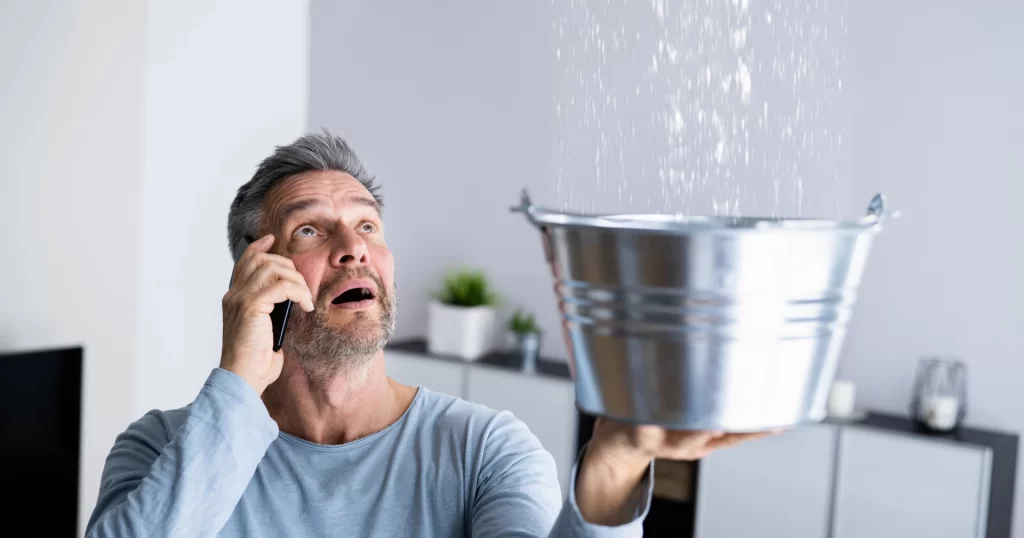
Reporting unsafe apartment conditions is a crucial step in protecting tenants’ health, safety, and legal rights. From mold and pest infestations to faulty wiring and broken heating systems, hazardous living conditions can have serious consequences.
Many renters are unaware of their responsibilities and the proper channels for reporting issues to landlords or local authorities. Understanding how to document problems, communicate effectively, and escalate complaints when necessary ensures that concerns are addressed promptly.
This article outlines the steps tenants should take to report unsafe conditions, the protections available under housing laws, and the importance of taking action to maintain safe, habitable rental environments.
 How to report unsafe apartment conditions
How to Report Unsafe Apartment Conditions
Reporting unsafe apartment conditions is a critical step in protecting your health, safety, and legal rights as a tenant.
When living in rental housing, tenants are entitled to a habitable environment that meets basic health and safety standards. Issues such as mold infestations, structural damage, pest infestations, exposed wiring, lack of heat or hot water, or unsafe locks may constitute violations of local housing codes.
Reporting these issues typically involves documenting the problem with photos and written records, notifying your landlord in writing, and, if unresolved, escalating the complaint to local housing authorities or tenant protection agencies.
Many cities have inspector programs that conduct official evaluations and can compel landlords to make repairs. Understanding the proper channels and procedures ensures that dangerous living conditions are addressed promptly and legally.
 A man sued his employer for racial discrimination
Common Signs of Unsafe Apartment Conditions
Unsafe apartment conditions can pose significant health and safety risks, and recognizing the warning signs is essential for tenant protection.
Common hazards include persistent water leaks that lead to mold growth, broken or non-functional heating systems during cold seasons, plumbing issues such as backed-up sewage or lack of running water, exposed electrical wiring that increases fire risk, and structural flaws like holes in walls or floors. Other red flags are pest infestations (such as rodents or cockroaches), missing or broken smoke detectors, and malfunctioning door or window locks that compromise security.
Tenants should also be vigilant about poor ventilation, excessive noise from adjacent units due to thin walls, or deteriorating stairways and railings in multi-unit buildings. Documenting these issues as soon as they appear can strengthen any future formal complaints and help secure timely interventions from housing authorities.
Steps to Properly Document and Report Violations
To effectively report unsafe apartment conditions, tenants must follow a clear and well-documented process. Begin by taking clear, dated photographs or videos of the issue and writing a detailed log describing when the problem started, how it affects daily living, and any communication with the landlord.
 Abogada de discriminación racial en whittier
Next, notify your landlord in writing (via email or certified mail) specifying the violations and requesting repairs within a reasonable timeframe.
Keep copies of all correspondence. If no action is taken, file a formal complaint with your local housing authority, building department, or tenant rights organization—many cities offer online reporting portals or hotline services.
Some jurisdictions allow tenants to request a housing inspector to visit the unit and assess whether code violations exist. In serious cases, tenants may be entitled to withhold rent, repair and deduct, or even pursue legal action, but such steps often depend on local laws and proper documentation.
Agencies and Resources for Tenants Facing Unsafe Living Conditions
Several local, state, and federal agencies can assist tenants dealing with unsafe apartment conditions. At the local level, the municipal housing code enforcement office or department of buildings is typically responsible for inspecting rental units and enforcing safety standards. Tenant unions or legal aid organizations often offer free consultations and may represent renters in disputes.
The U.S. Department of Housing and Urban Development (HUD) provides guidance and resources for renters in federally subsidized housing or those facing health and safety neglect. In emergency situations—such as complete loss of heat in winter or severe structural damage—some cities operate 24-hour hotlines for urgent housing complaints.
Additionally, online platforms like 311 (in many U.S. cities) allow tenants to file non-emergency complaints anonymously. Knowing which agencies to contact and how to access these resources can make a significant difference in resolving unsafe conditions swiftly.
| Issue | Immediate Action | Relevant Authority |
|---|---|---|
| Mold or water leaks | Take photos, notify landlord, test air quality if needed | Local health department or housing code enforcement |
| No heat or hot water | Send written notice to landlord, keep records | Building department or 311 (in applicable cities) |
| Pest infestation | Document sightings, request professional extermination | Tenant rights organization or housing inspector |
| Exposed wiring or electrical hazards | Alert landlord immediately, avoid contact | Electrical inspector or fire department (if urgent) |
| Security issues (broken locks, no lighting) | Report in writing and follow up | Property management or local code enforcement |
Frequently Asked Questions
What qualifies as an unsafe apartment condition?
Unsafe apartment conditions include structural damage, mold, pest infestations, exposed wiring, lack of heat or hot water, plumbing issues, and fire hazards. These problems can threaten tenants' health and safety. Local housing codes define acceptable living standards, and violations may constitute unsafe conditions. If basic utilities are compromised or there’s a risk of injury, it’s essential to document and report the issue promptly to the appropriate authorities.
Who should I contact to report unsafe apartment conditions?
Contact your local housing authority or code enforcement agency to report unsafe apartment conditions. In emergencies like gas leaks or major structural damage, call 911 or emergency services immediately. Some cities also have tenant protection agencies or hotlines. Your landlord should also be notified in writing. Keep records of all communications. These steps help ensure timely inspections and necessary repairs are made to protect your well-being.
Can I be evicted for reporting unsafe apartment conditions?
No, landlords cannot legally evict you for reporting unsafe apartment conditions. This is considered tenant retaliation, which is prohibited by law in most jurisdictions. If you’re served with an eviction notice after filing a complaint, it may be retaliatory. Keep documentation of your reports and communications. You can file a complaint with a housing agency or seek legal advice if you believe you're being punished for asserting your rights as a tenant.
What evidence should I gather when reporting apartment hazards?
Take clear photos or videos of the unsafe conditions, such as mold, leaks, or structural damage. Keep written records of dates, descriptions, and any communication with your landlord. Save copies of repair requests and responses. Witness statements from other tenants can also help. Detailed documentation strengthens your case when reporting to housing authorities and provides proof if legal action becomes necessary. Always report issues promptly and follow up in writing.
Leave a Reply