
Scaffold osha standards

Scaffolds are essential tools in construction and maintenance work, providing temporary platforms for workers to perform tasks at height. However, improper use or structural failures can lead to serious injuries or fatalities.
To ensure worker safety, the Occupational Safety and Health Administration (OSHA) has established comprehensive standards governing the design, construction, and use of scaffolds. These regulations cover load capacity, fall protection, proper assembly, and employee training.
Compliance with OSHA scaffold standards is not only a legal requirement but also a critical component of workplace safety. This article explores key OSHA scaffold regulations and best practices to help employers maintain safe working environments and avoid costly violations.
 Signs of racial discrimination at work
Understanding OSHA Scaffold Standards for Workplace Safety
The Occupational Safety and Health Administration (OSHA) has established comprehensive standards to ensure the safe use of scaffolds in construction and other industries where elevated work platforms are used.
These standards, primarily found in OSHA’s 29 CFR 1926 Subpart L, are designed to protect workers from hazards such as falls, structural collapse, electric shock, and falling objects. Employers must comply with these regulations by providing proper scaffold design, erecting scaffolds according to manufacturer specifications, ensuring worker training, and conducting regular inspections.
Compliance not only prevents accidents but also reduces downtime and legal liability. Each scaffold system—whether suspended, supported, or rolling—has specific requirements tailored to its use, and understanding these distinctions is critical for safety and regulatory adherence.
Key Requirements for Scaffold Safety According to OSHA
OSHA mandates several critical safety measures to protect workers using scaffolds, including ensuring that scaffolds support at least four times the maximum intended load, installing guardrails on all open sides more than 10 feet above the ground, and using personal fall arrest systems when necessary.
 Students who oppose racial discrimination
Platforms must be fully planked with no gaps exceeding 1 inch between planks, and all components must be inspected by a competent person before each shift.
Scaffolds must also be erected, moved, or dismantled under the supervision of a qualified person, and protection must be provided from electrical hazards when working near power lines. These requirements apply to all types of scaffolds and are fundamental for preventing common workplace accidents.
Training and Competent Person Responsibilities
One of the most vital aspects of OSHA's scaffold standards is the requirement for proper worker training and the designation of a competent person. Employees who work on or around scaffolds must be trained to recognize associated hazards, including fall risks and falling object dangers, and in the procedures to control or minimize those hazards.
The competent person—someone capable of identifying unsafe conditions and authorized to take corrective action—must inspect scaffolds before each work shift and after any occurrence that could affect structural integrity, such as storms or impacts.
 Systemic racial discrimination
This person is also responsible for ensuring that only trained and qualified individuals erect, dismantle, or modify scaffolds, thereby minimizing the risk of improper assembly.
Different Types of Scaffolds and Their OSHA Compliance Needs
OSHA standards differentiate between various types of scaffolds—such as supported scaffolds, suspended scaffolds, and mobile scaffolds—each with its own set of safety requirements.
Supported scaffolds, which rest on the ground or base, must have adequate foundation support, cross-bracing, and guardrail systems. Suspended scaffolds, like swing stages hanging from ropes, require properly rigged suspension systems, functioning brakes, and backup fall protection.
Mobile scaffolds must be plumb, level, and square, and workers must not ride them unless they meet specific stability criteria. Compliance depends on correct assembly, usage, and mobility procedures tailored to the scaffold category.
 Target racial discrimination
| Scaffold Type | Key OSHA Requirements | Common Hazards |
|---|---|---|
| Supported Scaffold | Must support 4x the intended load, stable foundation, guardrails, and midrails installed | Falls, structural collapse, falling objects |
| Suspended Scaffold | Requires proper rigging, tie-backs, arrest systems, and trained operators | Swinging, rope failure, electric shock |
| Mobile Scaffold | Must have locking casters, guardrails, and must not be moved with workers on it unless approved | Tipping, entrapment, tip-over during movement |
Frequently Asked Questions
What are OSHA scaffold standards designed to ensure?
OSHA scaffold standards are designed to ensure the safety of workers using scaffolds in construction and maintenance activities. These regulations cover structural integrity, proper assembly, fall protection, load capacities, and safe access. The goal is to prevent accidents like collapses, falls, and electrocutions by setting clear guidelines for scaffold use, inspection, and maintenance in various work environments.
Who is responsible for scaffold safety on a construction site?
Employers and competent persons are responsible for scaffold safety on construction sites. Employers must ensure scaffolds are built and used according to OSHA standards. A designated competent person must inspect scaffolds regularly, identify hazards, and authorize repairs or removal. They also oversee worker training, ensuring all employees understand safety procedures related to assembly, use, and disassembly of scaffolds.
What training is required for workers who use scaffolds?
Workers must receive training on scaffold hazards, proper use, and safety procedures before working on scaffolds. OSHA requires instruction on handling materials, falling object protection, electrical hazards, and how to maintain stability. Training must be conducted by a qualified person and documented. Refresher training is required when workplace hazards change or after unsafe practices are observed.
How often should scaffolds be inspected according to OSHA?
OSHA requires scaffolds to be inspected by a competent person before each work shift and after any event that could affect structural integrity, such as high winds or impacts. Inspections must check for defects in components, stability, and proper assembly. Any damaged or unsafe scaffolds must be taken out of service immediately until repaired. Documentation of inspections is recommended for safety compliance.
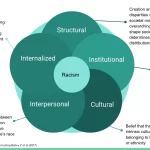 Types of racial discrimination
Leave a Reply