
Respiratory protection osha standard

Respiratory protection is a critical component of workplace safety, particularly in environments where employees are exposed to hazardous airborne contaminants.
The Occupational Safety and Health Administration (OSHA) established the respiratory protection standard, codified under 29 CFR 1910.134, to safeguard workers from respiratory hazards such as dusts, fogs, fumes, mists, gases, smokes, sprays, and insufficient oxygen levels.
This comprehensive standard mandates the implementation of a written respiratory protection program, proper selection of respirators, fit testing, medical evaluations, and employee training. Employers must evaluate workplace hazards, determine the need for respirator use, and ensure equipment effectiveness through regular maintenance and inspection.
 Signs of racial discrimination at work
Understanding the Respiratory Protection OSHA Standard
The Occupational Safety and Health Administration (OSHA) established the Respiratory Protection Standard (29 CFR 1910.134) to safeguard workers exposed to hazardous atmospheres, including insufficient oxygen, harmful dusts, fogs, fumes, mists, gases, vapors, or sprays.
This comprehensive standard mandates that employers implement a written respiratory protection program whenever respirators are necessary for worker safety. The program must include essential components such as respirator selection, medical evaluations, fit testing, training, and proper maintenance.
OSHA requires that respirators be appropriate for the specific hazard, properly fitted, and used only after employees demonstrate understanding through training. Additionally, respirators must be certified by the National Institute for Occupational Safety and Health (NIOSH) to ensure effectiveness.
Employers must evaluate workplace conditions to determine if engineering or administrative controls can reduce exposure before relying on respirators, aligning with the hierarchy of controls. Non-compliance with the OSHA respiratory protection standard can result in serious penalties and increased risk of occupational illness.
 Students who oppose racial discrimination
Requirements for a Written Respiratory Protection Program
A foundational element of the OSHA respiratory protection standard is the requirement for a comprehensive written program that addresses all aspects of respirator use in the workplace. This program must be administered by a trained and knowledgeable person responsible for its implementation.
It should clearly outline procedures for respirator selection based on hazard evaluation, protocols for fit testing and user seal checks, as well as guidelines for cleaning, maintenance, and storage. The written document also needs to include procedures for respirator use during emergencies, such as fires or chemical spills, and specify actions to take when respirators fail or are ineffective.
OSHA emphasizes that the program must be regularly updated and evaluated for effectiveness, especially whenever workplace conditions change or new hazards are introduced. Employers are required to keep records of fit testing and medical evaluations to demonstrate compliance during inspections.
Respirator Selection and Fit Testing Procedures
Selecting the right respirator under the OSHA standard involves evaluating the specific air contaminants, their concentration levels, and the work environment in which they occur.
 Systemic racial discrimination
Employers must choose NIOSH-approved respirators that provide adequate protection based on hazard type, such as air-purifying respirators for particulates or gas/vapor hazards, or supplied-air respirators for oxygen-deficient atmospheres.
Before use, each employee must undergo an initial qualitative or quantitative fit test to ensure a proper seal and adequate protection. Fit testing must be repeated at least annually, or whenever there is a significant change in the employee’s facial structure (e.g., substantial weight gain or loss, dental work).
The standard also requires user seal checks every time a respirator is donned to verify its fit. Employers must ensure that facial hair does not interfere with the seal, as even light stubble can compromise respirator effectiveness.
Medical Evaluations and Employee Training
OSHA mandates that employees be medically cleared to wear respirators through a formal medical evaluation process, typically conducted using the OSHA-mandated questionnaire (Appendix C). This evaluation determines whether a worker has any underlying health conditions—such as heart or lung disease—that could be aggravated by respirator use.
 Target racial discrimination
Only individuals deemed medically fit should be allowed to use respirators. In addition, comprehensive training must be provided before initial use and annually thereafter. This training covers the limitations and capabilities of respirators, proper procedures for donning and doffing, performing seal checks, and responding to emergency situations.
Workers need to understand why respirators are necessary, what hazards they are protecting against, and the importance of proper hygiene and maintenance. Training must be conducted in a language and manner the employee understands to ensure full comprehension and workplace safety.
| Component | OSHA Requirement | Purpose |
|---|---|---|
| Written Program | Mandatory for all workplaces requiring respirator use | Ensures consistent, standardized protection practices |
| Fit Testing | Required annually and during respirator changes | Verifies proper facial seal and respirator effectiveness |
| Medical Evaluation | Prior to initial respirator use | Confirms employee’s physical ability to wear a respirator |
| Training | Initial and annual training required | Ensures understanding of use, limitations, and procedures |
| NIOSH Certification | Respirators must be NIOSH-approved | Guarantees respirator quality and protective performance |
Frequently Asked Questions
What is the OSHA respiratory protection standard?
The OSHA respiratory protection standard (29 CFR 1910.134) sets requirements for protecting workers from respiratory hazards in the workplace. It applies to general industry, construction, and maritime. The standard outlines when respirators are needed, requirements for respirator selection, fit testing, medical evaluations, training, and proper use. Employers must establish a written respiratory protection program and ensure employees use appropriate respirators to prevent inhalation of harmful substances.
When is a respirator required under OSHA standards?
A respirator is required under OSHA standards when engineering controls, such as ventilation, cannot adequately reduce airborne contaminants to safe levels. This includes exposure to dust, fumes, mists, gases, or insufficient oxygen. Respirators are also needed during emergencies or when required by the employer's respiratory protection program. A hazard assessment must be conducted to determine if respirator use is necessary to protect employee health.
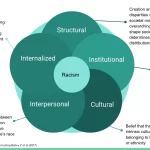 Types of racial discrimination
What is a respiratory protection program?
A respiratory protection program is a written plan required by OSHA that outlines procedures for respirator use in the workplace. It includes respirator selection, fit testing, medical evaluations, employee training, maintenance, and program evaluation. A program administrator must be in charge. The program ensures that respirators are used correctly and effectively to protect workers from respiratory hazards and comply with OSHA regulations.
Why is fit testing required for respirators?
Fit testing is required to ensure that tight-fitting respirators properly seal to the wearer’s face and provide the expected level of protection. Since facial features vary, a respirator that fits one person may not fit another. OSHA requires annual fit testing and whenever there’s a change in respirator model or size. It verifies that the respirator minimizes leakage and effectively protects the employee from harmful airborne contaminants.
Leave a Reply