
How do undocumented workers pay income tax

Undocumented workers contribute to the U.S. economy in numerous ways, including through the payment of income taxes. Despite lacking legal immigration status, many file tax returns using Individual Taxpayer Identification Numbers (ITINs) issued by the IRS.
These workers often pay federal, state, and local taxes, particularly if they are employed in sectors where income is reported. The IRS processes millions of tax returns annually from individuals using ITINs, generating billions in revenue.
Paying taxes allows undocumented immigrants to comply with federal requirements and, in some cases, build a record that may support future immigration appeals. Understanding how this system works reveals the complex relationship between immigration status and tax obligations.
 Do undocumented workers pay income tax
How Do Undocumented Workers Pay Income Tax?
Undocumented workers in the United States contribute to the federal tax system in various ways, even though they lack legal immigration status. Contrary to common misconceptions, many undocumented individuals work in the formal economy, often using either borrowed or falsified Social Security numbers to secure employment.
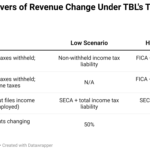
These workers are required to pay income taxes, just like any other employee, and employers withhold federal income tax, Social Security, and Medicare from their wages based on the information provided. The U.S. Internal Revenue Service (IRS) collects billions of dollars annually from taxpayers using Individual Taxpayer Identification Numbers (ITINs), many of whom are undocumented.
While these workers pay taxes, they typically do not qualify for most tax-based benefits, such as the Earned Income Tax Credit (EITC), unless they meet specific criteria. Their contributions support public programs and services, highlighting the complex relationship between immigration status and tax responsibility.
How Undocumented Workers Obtain Tax Identification Numbers
Undocumented workers who wish to file taxes legally can apply for an Individual Taxpayer Identification Number (ITIN) from the IRS, which allows them to comply with tax laws without having a valid Social Security number. The ITIN is a nine-digit number issued regardless of immigration status and is used solely for tax processing.
 Do undocumented workers pay income taxes
To obtain an ITIN, individuals must complete Form W-7 and provide documentation such as a passport or national ID card, which must be certified or accompanied by acceptable identification. Once issued, the ITIN enables the worker to file federal tax returns and report income.
This system not only promotes tax compliance but also creates financial records that may be useful in certain immigration-related procedures. The use of ITINs underscores the IRS’s commitment to collecting revenue from all individuals earning income in the United States, regardless of legal status.
Methods Employers Use to Withhold Taxes from Undocumented Workers
Employers are required by law to withhold federal income tax, Social Security, and Medicare taxes from all employees’ paychecks, including those of undocumented workers, as long as they are on the company’s payroll.
When a worker provides a valid-looking Social Security number (even if it belongs to another person), the employer uses that information to report wages through the W-2 system.
 How do undocumented workers pay into taxes
In cases where an employee provides an ITIN or no valid SSN, some employers still issue a W-2 with the available number or use alternative forms like Form 1099 for contract labor.
The key point is that once payroll reporting begins, taxes are deducted and sent to the IRS and Social Security Administration (SSA). This means many undocumented workers pay into systems like Social Security but are often unable to claim benefits later due to their immigration status.
Tax Contributions and Benefits for Undocumented Workers
Despite their significant contributions to the U.S. tax system, undocumented workers generally do not qualify for most federal public benefits tied to tax payments, such as Social Security retirement benefits or Medicaid.
According to the IRS, unauthorized workers contributed an estimated $12 billion to Social Security in a single year through payroll tax withholdings, yet most will never be able to claim those benefits.
On the tax filing side, those using an ITIN can report income and may claim certain tax credits, including the Child Tax Credit (CTC) under specific conditions, although they typically do not qualify for the Earned Income Tax Credit (EITC) if they use an ITIN.
States vary in their treatment of ITIN filers regarding state-level benefits and taxes. The imbalance between tax contributions and benefit access illustrates the financial impact undocumented workers have on public funding systems.
| Tax Type | Paid by Undocumented Workers? | Can Claim Benefits? | Notes |
|---|---|---|---|
| Federal Income Tax | Yes (via ITIN or SSN) | Limited | Can file returns; no EITC with ITIN |
| Social Security (FICA) | Yes | No (in most cases) | Balances go into earnings suspense file |
| Medicare Tax | Yes | No | Funds general Medicare trust |
| State Income Tax | Yes (varies by state) | No | Depends on state rules for ITIN filers |
| Sales & Property Taxes | Yes (indirectly) | No | Paid through consumption and housing |
Despite lacking legal immigration status, many undocumented workers contribute to the U.S. economy by paying income taxes through mechanisms like the Individual Taxpayer Identification Number (ITIN).
Since they are not authorized to work legally, they often use borrowed or falsified Social Security numbers to secure employment, resulting in tax withholdings from their wages. However, even without a valid Social Security number, they can obtain an ITIN from the IRS to file tax returns and report income.
This allows them to comply with federal tax laws, and in many cases, they end up paying billions in payroll taxes, including Social Security and Medicare, even though they may not be eligible to receive benefits from those programs. The IRS protects the confidentiality of taxpayers regardless of immigration status, encouraging compliance without reporting individuals to immigration authorities.
What Is an Individual Taxpayer Identification Number (ITIN)?
An ITIN is a tax processing number issued by the Internal Revenue Service (IRS) to individuals who are required to file taxes but are not eligible for a Social Security number. It is available to undocumented immigrants, dependents, and other foreign nationals who earn income in the U.S.
The ITIN consists of nine digits and starts with the number 9. While it does not authorize work or confer legal immigration status, it allows undocumented workers to comply with federal tax obligations.
By using an ITIN, they can file federal tax returns, claim certain tax credits, such as the Child Tax Credit in some cases, and build a tax history that may support future immigration relief efforts.
How Do Undocumented Immigrants Obtain an ITIN?
To obtain an ITIN, undocumented workers must complete Form W-7 and submit it to the IRS along with required identification documents, such as a valid passport, birth certificate, or national ID card. The application can be made directly to the IRS, through an Authorized Acceptance Agent, or at a Certification Acceptance Center. Applicants must also include a valid federal tax return with the W-7 form unless they qualify for an exception. The IRS does not share ITIN application information with U.S. Citizenship and Immigration Services (USCIS) or other law enforcement agencies for immigration enforcement purposes, ensuring a level of privacy and encouraging tax compliance among undocumented populations.
Do Undocumented Workers Pay Payroll Taxes?
Yes, many undocumented workers pay payroll taxes, including federal income tax, Social Security, and Medicare taxes, often through employer withholdings.
Employers are required to deposit withheld taxes regardless of an employee’s immigration status. As a result, undocumented workers contribute significantly to Social Security—estimated in the billions annually—despite being generally ineligible to collect retirement benefits.
When using either an ITIN or a borrowed Social Security number, their taxes are processed and recorded under that number. Over time, these payments accumulate in the Social Security Earnings Suspense File, representing contributions that have no identified worker to claim them in the future.
Can Undocumented Workers Claim Tax Refunds or Credits?
In certain cases, undocumented workers who file taxes using an ITIN can claim refundable and non-refundable tax credits, although eligibility is limited.
For example, they may qualify for the Child Tax Credit (CTC) if they have qualifying dependents with Social Security numbers. Prior to 2021, they were largely excluded from economic impact payments like stimulus checks, but policy changes temporarily expanded access in some cases.
While they cannot claim the Earned Income Tax Credit (EITC) unless they have a valid SSN, their compliance demonstrates financial responsibility. Filing taxes also establishes positive evidence of good moral character, which may assist in some immigration proceedings.
Why Do Undocumented Immigrants File Taxes Without Legal Status?
Filing tax returns serves multiple purposes for undocumented immigrants, even without legal authorization to reside or work in the U.S.
First, it reflects compliance with federal tax laws, which may support future immigration applications such as citizenship or lawful permanent residency under potential reform. Second, it builds a financial record that can assist in securing loans, applying for driver’s licenses in certain states, or claiming tax refunds and credits.
Additionally, the IRS does not act as an immigration enforcement agency, so filing under an ITIN is considered safe. Ultimately, many undocumented workers file taxes to uphold civic responsibility, access financial systems, and demonstrate integration into American society.
Frequently Asked Questions
Undocumented workers can pay income tax using an Individual Taxpayer Identification Number (ITIN) issued by the IRS. They apply for an ITIN by submitting Form W-7 along with required documents.
Employers may still withhold federal taxes from their paychecks even without a Social Security number. Paying taxes with an ITIN helps maintain a record of tax compliance and supports eligibility for certain benefits.
No, undocumented workers generally do not qualify for a Social Security number (SSN) because it requires legal work authorization. Without an SSN, they cannot access Social Security benefits or certain government services tied to the number.
However, they can still fulfill tax obligations using an ITIN. The ITIN allows them to file returns and pay federal income taxes despite lacking legal status.
Can employers legally hire and pay undocumented workers?
No, it is illegal for employers to knowingly hire undocumented workers under U.S. immigration law. However, some workers may use falsified documents, and employers must verify identity and work eligibility using Form I-9.
Even if employment is unauthorized, employers are still required to withhold federal income, Social Security, and Medicare taxes from wages, and workers remain obligated to file tax returns.
What benefits do undocumented workers get from paying income taxes?
Paying income taxes allows undocumented workers to comply with U.S. tax laws and build a tax record. This can support future immigration applications, such as claiming bona fide residence or demonstrating good moral character.
While they typically cannot claim most public benefits, they contribute to programs like Medicare and Social Security, though they cannot receive benefits from them without legal status.
Leave a Reply