
Do undocumented workers pay income tax
Undocumented workers contribute to the U.S. economy in numerous ways, including through tax payments. Despite their immigration status, many pay income taxes using Individual Taxpayer Identification Numbers (ITINs) or by providing false Social Security numbers.
The Internal Revenue Service (IRS) accepts tax returns regardless of immigration status, encouraging compliance. Studies show that undocumented immigrants pay billions in federal, state, and local taxes annually.
While they typically do not qualify for benefits like Social Security, their tax contributions help fund public services. This complex dynamic raises questions about fairness, policy reform, and the broader economic role of undocumented workers in the American workforce.
 Do undocumented workers pay social security
Do Undocumented Workers Pay Income Tax?
Yes, many undocumented workers in the United States do pay income taxes, despite their immigration status. The Internal Revenue Service (IRS) collects taxes from individuals based on income, not citizenship or legal residency.
A significant number of undocumented immigrants file tax returns using an Individual Taxpayer Identification Number (ITIN), a tax processing number issued by the IRS for individuals who are not eligible for a Social Security Number.
According to data from the IRS, millions of ITINs have been issued over the past two decades, and billions of dollars in federal income taxes and payroll taxes are paid annually by undocumented workers. These contributions help fund public services and social programs, including Social Security and Medicare, even though many of these workers are not legally entitled to receive those benefits.
How Undocumented Workers File Taxes
Undocumented workers often file taxes using an Individual Taxpayer Identification Number (ITIN), which the IRS created specifically for individuals who must file U.S. tax returns but do not qualify for a Social Security Number.
 How much in taxes do undocumented workers pay
To obtain an ITIN, applicants must fill out Form W-7 and provide identification documents such as birth certificates, passports, or foreign national ID cards. Many undocumented workers pay taxes through their employers, who withhold federal and state income taxes as well as FICA (Federal Insurance Contributions Act) taxes from their paychecks.
Alternatively, some file their own returns if they are self-employed. The use of ITINs enables the IRS to track income and tax payments from this population, promoting tax compliance regardless of immigration status.
Why Undocumented Workers Pay Taxes
There are several reasons why undocumented individuals choose to pay income taxes. First, filing tax returns can support future immigration applications, such as those for legal status under proposed legislation like the Dream Act or other regularization programs that value tax compliance. Second, paying taxes enhances integration into the financial system and may help undocumented workers build a credit history, open bank accounts, or qualify for loans.
Third, employers—especially in sectors like construction, agriculture, and service industries—often withhold taxes from employee wages without verifying legal status. As a result, many undocumented workers contribute to federal and state revenues consistently, supporting infrastructure, education, and public services even though they may not benefit from these systems directly.
 How much taxes do undocumented workers pay
Economic Impact of Tax Contributions by Undocumented Workers
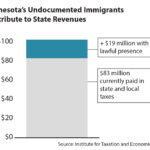
The economic contributions of undocumented workers through tax payments are substantial. According to the Institute on Taxation and Economic Policy (ITEP), undocumented immigrants collectively pay an estimated $11.7 billion annually in state and local taxes. On the federal level, studies suggest they contribute billions more in income and payroll taxes each year.
For example, the Social Security Administration's Earnings Suspense File, which tracks mismatched earnings, holds billions of dollars in wages reported under invalid or unmatched Social Security numbers—much of which stems from undocumented workers. These payments support critical programs such as Social Security and Medicare, although most of these workers cannot claim benefits upon retirement.
| Tax Type | Estimated Annual Contribution | Key Facts |
|---|---|---|
| Federal Income Tax | $4.5 - $6 billion | Many file using an ITIN or have taxes withheld by employers. |
| Payroll (FICA) Taxes | Approx. $13 billion | Funds Social Security and Medicare; most cannot claim benefits. |
| State & Local Taxes | $11.7 billion | Includes sales, property, and income taxes across U.S. states. |
| Social Security Contributions | Over $7 billion annually | Contribute to surplus due to ineligibility for future benefits. |
Understanding the Tax Contributions of Undocumented Workers in the U.S.
Undocumented workers in the United States contribute significantly to the federal tax system despite their immigration status, often paying income taxes through the use of Individual Taxpayer Identification Numbers (ITINs) or by using false Social Security numbers.
The Internal Revenue Service (IRS) accepts tax returns from individuals regardless of immigration status, which encourages compliance and ensures that revenue is collected from all earners. Studies show that undocumented workers contribute billions of dollars annually through payroll, income, and sales taxes, bolstering programs like Social Security—which they are generally ineligible to receive benefits from.
 How much do undocumented workers pay into social security
This paradox underscores the complexity of immigration and tax policy, revealing that many undocumented individuals actively participate in the formal economy and fulfill fiscal responsibilities akin to documented residents, even without legal protections or access to public services.
How Undocumented Workers File Taxes
Many undocumented workers file taxes using an Individual Taxpayer Identification Number (ITIN), a tax processing number issued by the IRS for individuals who are not eligible for a Social Security number.
Although ITINs do not authorize work or confer legal immigration status, they enable tax compliance and allow the IRS to track income and collect revenue.
Employers may still withhold federal income and payroll taxes from wages, whether or not a worker is authorized, leading many undocumented individuals to file returns to claim refunds or meet tax obligations.
This process ensures that their earnings are reported and taxed, reinforcing the idea that tax responsibility extends beyond citizenship or documentation status.
Types of Taxes Paid by Undocumented Workers
Undocumented workers contribute to multiple layers of the U.S. tax system, including federal income tax, state and local taxes, payroll taxes, and sales taxes.
When employed formally, taxes are often automatically withheld from paychecks, meaning many undocumented individuals pay FICA taxes—which fund Social Security and Medicare—even though they typically cannot access these benefits. Additionally, they pay sales tax on goods and property tax indirectly through rent, further integrating them into the economic fabric.
Research from organizations like the Institute on Taxation and Economic Policy (ITEP) estimates that undocumented households pay over $11 billion annually in state and local taxes alone, demonstrating their substantial yet often overlooked fiscal impact.
Benefits of Tax Compliance for Undocumented Individuals
Filing taxes can offer practical advantages for undocumented individuals, even without legal status. A consistent tax-filing history may support future immigration applications, such as those for permanent residency under certain pathways or relief programs that consider "good moral character."
Using an ITIN also allows individuals to open bank accounts, build credit, and operate legitimate businesses, fostering financial inclusion.
Moreover, claiming tax refunds—including partial refunds from withheld income—can provide significant financial relief. By fulfilling tax obligations, undocumented workers demonstrate economic integration and responsibility, which can strengthen their societal and legal standing over time.
Economic Impact of Undocumented Workers’ Tax Contributions
The tax payments made by undocumented workers play a crucial role in sustaining public services and funding government programs. Their contributions to Social Security alone amount to billions of dollars annually, creating a surplus because most are barred from collecting benefits.
This "stealth tax" influx supports the solvency of federal programs while enhancing state and local budgets through sales and property tax revenues.
Economists argue that broader tax compliance among undocumented populations increases overall revenue without increasing public spending on benefits they’re largely excluded from. As a result, their presence in the tax system strengthens the economic foundation of communities and challenges misperceptions about their societal contributions.
Common Misconceptions About Undocumented Workers and Taxes
A widespread myth is that undocumented workers do not pay taxes or live entirely off the grid, but data consistently refutes this claim. In reality, many work in sectors like construction, agriculture, and hospitality, where employers withhold taxes and issue W-2 or 1099 forms.
The IRS estimates that approximately 6 million unauthorized immigrants file individual income tax returns each year, often using ITINs or falsified Social Security numbers.
Furthermore, audits and enforcement prioritize tax evasion regardless of immigration status, meaning non-compliance carries risks for everyone. Recognizing these facts helps counter negative stereotypes and highlights the productive participation of undocumented workers in the U.S. economy.
Frequently Asked Questions
Do undocumented workers pay income tax?
Yes, many undocumented workers pay income taxes. They often use an Individual Taxpayer Identification Number (ITIN) or provide a Social Security number that may belong to someone else—though the latter is illegal. The IRS collects billions in tax revenue from undocumented workers each year. Even without legal status, individuals who earn income in the U.S. are generally required to pay federal, state, and local taxes if applicable.
Undocumented workers can file taxes using an Individual Taxpayer Identification Number (ITIN) issued by the IRS. An ITIN allows individuals who are not eligible for a Social Security number to comply with tax laws. Workers apply using Form W-7 along with their tax return. While an ITIN doesn't grant work authorization or eligibility for Social Security benefits, it enables proper tax reporting and ensures compliance with U.S. tax obligations.
Are undocumented workers eligible for tax refunds?
Undocumented workers who file taxes using an ITIN are generally not eligible for refundable tax credits like the Earned Income Tax Credit (EITC), even if they meet other qualifications. However, they may receive a refund if their employer withheld more in taxes than they owe.
Non-refundable credits may apply in certain cases, but eligibility depends on specific IRS rules. Filing correctly helps maintain accurate tax records and may support future immigration benefits.
Why would undocumented workers choose to pay taxes?
Undocumented workers may choose to pay taxes to establish a record of employment and financial responsibility in the U.S., which can help in future immigration applications. Paying taxes also supports compliance with U.S.
laws and contributes to Social Security and Medicare funds. Some states and localities use tax compliance as a factor for driver’s licenses or other benefits. It reflects an effort to integrate into society and demonstrate good moral character.
Leave a Reply