
Do undocumented workers have rights
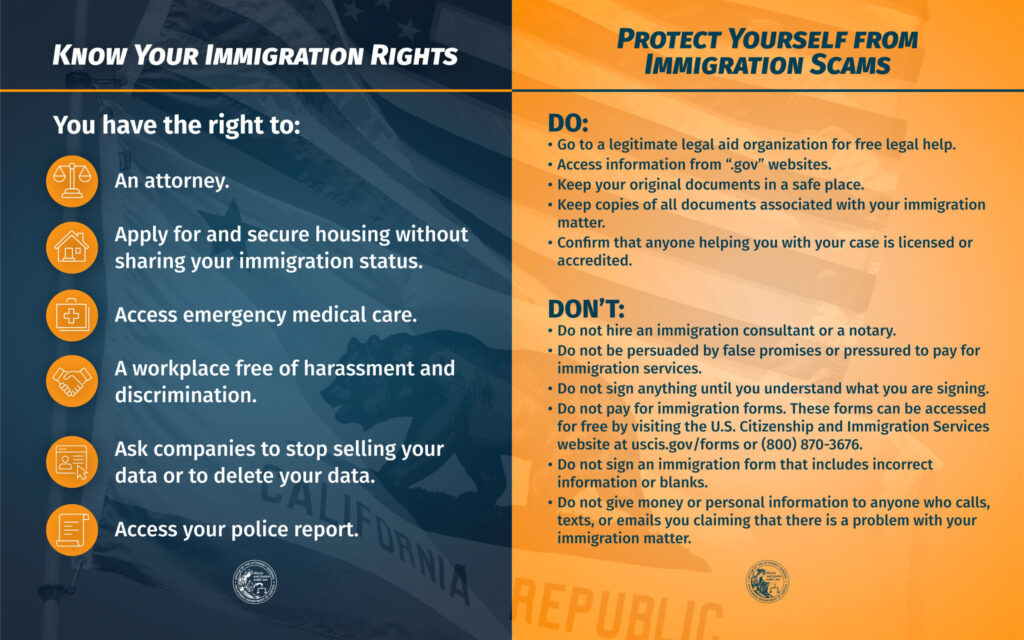
Undocumented workers in the United States often face challenging and exploitative working conditions, yet many are unaware that they possess certain legal rights regardless of immigration status.
While they lack authorization to work legally, federal and state laws still protect them from workplace abuse, wage theft, discrimination, and unsafe environments. The Fair Labor Standards Act, for instance, guarantees minimum wage and overtime pay for all workers, irrespective of documentation.
Courts have consistently upheld that constitutional protections extend to everyone within U.S. borders. Understanding these rights is crucial for empowering undocumented workers and promoting fair labor practices across industries.
 Covid resources for undocumented workers
Do Undocumented Workers Have Rights?
Even though undocumented workers are not legally authorized to work in the United States, they are still entitled to certain fundamental rights under federal and state laws. The U.S.
Constitution and various labor laws protect all workers, regardless of immigration status, ensuring basic human and workplace rights. These protections are in place to prevent exploitation, maintain fair labor standards, and uphold public safety. Employers cannot deny wages, subject workers to unsafe conditions, or retaliate against them for asserting their rights simply because they are undocumented.
While they may not have access to benefits like unemployment insurance or legal work authorization, undocumented workers can still file complaints with agencies such as the Department of Labor or the Equal Employment Opportunity Commission if their rights are violated. Legal precedents and civil rights statutes support the principle that labor protections apply to all individuals performing work in the country.
Legal Protections for Undocumented Workers
Undocumented workers are protected under several federal laws, including the Fair Labor Standards Act (FLSA), which guarantees minimum wage and overtime pay for eligible employees, irrespective of immigration status.
 Department of labor undocumented workers
The Occupational Safety and Health Act (OSHA) also ensures that all workers have the right to a safe and healthy workplace, allowing undocumented employees to report hazardous conditions without fear of deportation.
Additionally, the National Labor Relations Act (NLRA) gives them the right to organize, join unions, and engage in collective action to improve working conditions. Courts have consistently ruled that undocumented workers are considered employees under these laws, affirming their eligibility for protections.
Furthermore, anti-discrimination laws enforced by the Equal Employment Opportunity Commission (EEOC) prohibit employers from discriminating based on national origin or retaliating against workers who assert their rights.
Access to Workers’ Compensation and Legal Remedies
In most states, undocumented workers are eligible to receive workers’ compensation benefits if they are injured on the job. This is because workers’ compensation systems are typically no-fault and based on employment status, not immigration status.
 Do undocumented workers pay income taxes
Injured workers can file claims to cover medical expenses and lost wages, and denying such claims solely due to being undocumented violates state laws. Moreover, if an undocumented worker faces wage theft, unpaid overtime, or wrongful termination, they can pursue civil lawsuits or file claims with labor boards.
Federal and state courts have upheld the right of undocumented employees to seek back pay and damages, especially in cases where employers knowingly hired them. The principle behind these rulings is that employers should not profit from the exploitation of workers they willingly employed, regardless of the worker’s legal status.
Challenges and Barriers to Enforcing Rights
Despite legal protections, many undocumented workers face significant barriers to enforcing their rights, including fear of deportation, lack of knowledge about labor laws, and limited access to legal representation. Employers may use threats of immigration enforcement to intimidate workers into silence, creating a climate of vulnerability.
Language barriers, social isolation, and lack of trust in government institutions further discourage reporting of abuse. Additionally, while undocumented workers may win wage claims in court, collecting awarded compensation can be difficult if employers close businesses or declare bankruptcy.
 Ice arrests 84 undocumented workers at a louisiana racetrack
Some states have improved access to legal aid and created worker protection task forces to help bridge these gaps, but systemic challenges remain. Advocacy groups continue to push for stronger enforcement mechanisms and inclusive policies to ensure that labor rights are accessible to all, regardless of immigration status.
| Right or Protection | Covered for Undocumented Workers? | Key Legal Basis |
|---|---|---|
| Minimum Wage | Yes | Fair Labor Standards Act (FLSA) |
| Overtime Pay | Yes | Fair Labor Standards Act (FLSA) |
| Safe Working Conditions | Yes | Occupational Safety and Health Act (OSHA) |
| Workers’ Compensation | Yes (in most states) | State Workers’ Comp Laws |
| Right to Unionize | Yes | National Labor Relations Act (NLRA) |
| Unemployment Benefits | No | Requires legal work authorization |
| Social Security Benefits | Limited | Requires valid SSN and work eligibility |
Frequently Asked Questions
Do undocumented workers have any legal rights in the workplace?
Yes, undocumented workers have certain legal rights in the workplace under U.S. law. They are entitled to fair wages, safe working conditions, and protection from workplace discrimination and retaliation. These rights are guaranteed by federal laws like the Fair Labor Standards Act and enforced by agencies such as OSHA and the EEOC, regardless of immigration status.
Can undocumented workers file complaints against employers?
Yes, undocumented workers can file complaints with government agencies like OSHA, the Wage and Hour Division, or the EEOC if their rights are violated. They are protected from retaliation for reporting unsafe conditions, wage theft, or discrimination. Employers cannot legally fire, demote, or punish workers for filing complaints, even if they are not authorized to work in the U.S.
Are undocumented workers eligible for workers' compensation?
In most states, yes—undocumented workers are eligible for workers’ compensation benefits if they are injured on the job. These benefits cover medical care and lost wages and are available regardless of immigration status. Employers are generally required to provide this coverage, and denying it based on status is illegal in many jurisdictions.
 Is it a felony to hire undocumented workers
Can undocumented workers sue their employers for unpaid wages?
Yes, undocumented workers can sue their employers for unpaid wages. U.S. labor laws protect all workers’ right to earned pay, regardless of immigration status. Courts have ruled that workers cannot be denied wages simply because they are undocumented. They can pursue legal action or file claims with state labor departments to recover unpaid compensation.
Leave a Reply