
how many undocumented workers pay taxes
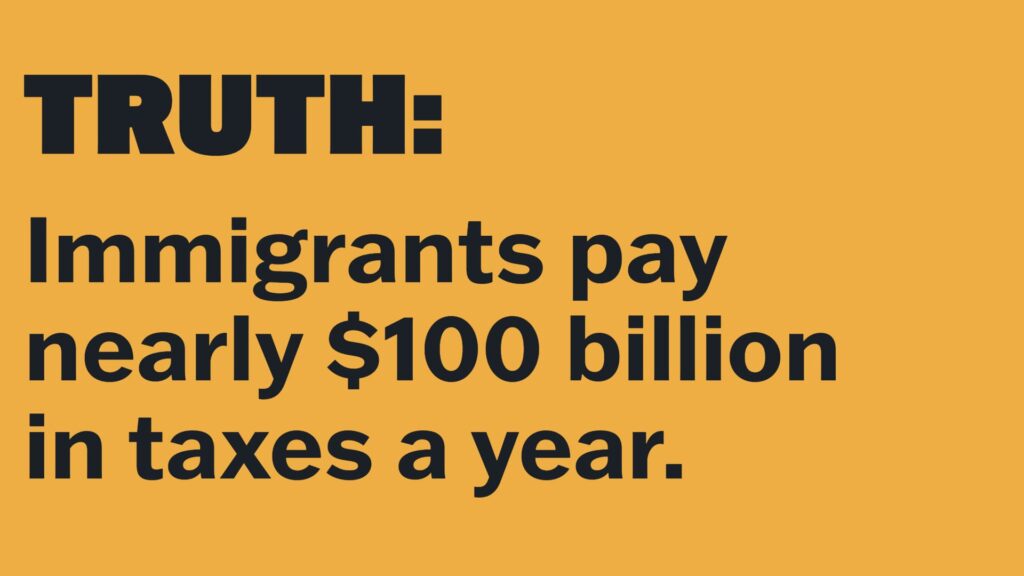
Millions of undocumented workers contribute to the U.S. economy every year, often paying taxes despite their immigration status. While precise numbers are difficult to determine, studies show that a significant portion of this population pays federal, state, and local taxes—including income, sales, and property taxes—through methods like using Individual Taxpayer Identification Numbers (ITINs).
The IRS estimates that around 6 million tax returns each year are filed using ITINs, generating billions in tax revenue. Contrary to common misconceptions, many undocumented workers comply with tax laws, seeking financial responsibility and hoping for future legal recognition. Understanding their tax contributions sheds light on their vital role in the nation's fiscal system.
How Many Undocumented Workers Pay Taxes in the United States?
A significant number of undocumented workers in the United States contribute to the tax system each year, despite their immigration status. While exact numbers are difficult to determine due to the nature of undocumented employment, research and government data indicate that millions of unauthorized immigrants file tax returns or have taxes withheld from their paychecks.
 How can undocumented workers pay taxes
The Internal Revenue Service (IRS) issues Individual Taxpayer Identification Numbers (ITINs) to individuals who are not eligible for Social Security numbers but need to file taxes.
Since 1996, millions of ITINs have been issued, many to undocumented workers. According to estimates from the Institute on Taxation and Economic Policy (ITEP), approximately 3 million unauthorized immigrant households pay federal, state, and local taxes annually.
These contributions include income taxes, payroll taxes, sales taxes, and property taxes (both directly and through rent). Notably, many of these workers pay into systems like Social Security but are often ineligible to benefit from them later, resulting in a net positive contribution to government revenues.
The Role of ITINs in Tax Compliance Among Undocumented Workers
The Individual Taxpayer Identification Number (ITIN) is a critical tool that enables undocumented immigrants to comply with U.S. tax laws. Created by the IRS in 1996, ITINs are issued regardless of immigration status and allow individuals to report income and pay taxes.
 Can undocumented workers pay taxes
As of recent data, the IRS has issued over 24 million ITINs since the program began, with millions of active users each year. Many undocumented workers use ITINs to file income tax returns, especially those employed in sectors like construction, agriculture, and hospitality where off-the-books work is common but formal payments still require reporting.
The use of ITINs demonstrates a clear willingness among unauthorized immigrants to fulfill their tax obligations, even when they lack legal protections or access to public benefits. This tax participation strengthens public revenue and contradicts the misconception that undocumented individuals do not contribute financially to society.
Estimates of Tax Contributions by Undocumented Immigrants
Research consistently shows that undocumented immigrants contribute billions of dollars in taxes annually to federal, state, and local governments. According to the Institute on Taxation and Economic Policy (ITEP), undocumented immigrants paid an estimated $11.74 billion in state and local taxes in 2019 alone.
At the federal level, the Social Security Administration (SSA) reported in its 2022 annual review that its Earnings Suspense File (ESF) — which captures wages reported under mismatched or invalid Social Security numbers — contained nearly $30 billion in wages and generated approximately $10 billion in Social Security tax revenue from undocumented workers in a single year.
 Do undocumented workers pay taxes in california
These individuals also pay sales taxes on goods and services and property taxes indirectly through rent. Collectively, their contributions help fund essential public services such as education, infrastructure, and emergency services, even though many are excluded from accessing those same benefits.
Barriers and Incentives for Tax Filing Among Undocumented Workers
Despite facing significant risks and systemic barriers, many undocumented workers choose to file taxes due to a combination of incentives and practical benefits. One major incentive is the IRS’s policy of confidentiality — tax return information cannot be shared with immigration enforcement agencies like ICE under current law, which encourages compliance.
Additionally, filing taxes can help establish a record of presence and financial responsibility, which may be useful in future immigration applications, especially for programs offering legalization pathways. However, barriers remain: fear of detection, lack of awareness about ITIN eligibility, language obstacles, and reliance on cash-based employment that avoids formal reporting all limit full tax compliance.
Nevertheless, many employers withhold payroll taxes even when workers use incorrect or borrowed Social Security numbers, meaning taxes are often paid involuntarily. These dynamics highlight the complex reality where economic integration coexists with legal exclusion.
 How much did undocumented workers pay in taxes in 2022
| Tax Type | Estimated Annual Contribution | Key Source |
|---|---|---|
| Federal Income & Payroll Taxes | Over $10 billion (via SSA Earnings Suspense File) | Social Security Administration (2022) |
| State and Local Taxes | $11.74 billion | Institute on Taxation and Economic Policy (2019) |
| Number of ITIN Filers (annual avg.) | Over 5 million returns | Internal Revenue Service (IRS) |
| Social Security Contributions (net) | $7 billion+ surplus (pay in, cannot claim) | Center for Migration Studies |
Understanding the Tax Contributions of Undocumented Workers in the United States
Undocumented workers in the United States contribute significantly to the tax system through various means, despite their immigration status.
Many pay federal, state, and local taxes, including income, sales, and property taxes—often using Individual Taxpayer Identification Numbers (ITINs) or without documentation at all. According to research by the Institute on Taxation and Economic Policy (ITEP), undocumented workers collectively paid an estimated $11.7 billion in state and local taxes in 2019.
At the federal level, they contribute billions annually to Social Security and Medicare through payroll taxes, though most are ineligible to receive benefits later. These contributions demonstrate that a large portion of undocumented individuals are active participants in the U.S. economy, complying with tax obligations even without legal status.
The Role of ITINs in Enabling Tax Compliance
The Internal Revenue Service (IRS) issues Individual Taxpayer Identification Numbers (ITINs) to individuals who are not eligible for Social Security Numbers, including many undocumented immigrants.
These ITINs allow them to file federal tax returns and meet legal tax obligations, promoting compliance within the system. While ITINs do not grant legal status or work authorization, they play a critical role in enabling undocumented workers to report income and pay taxes.
This mechanism ensures greater transparency in the tax code and allows the government to collect revenue that might otherwise go unclaimed. As a result, ITIN use reflects a commitment to fiscal responsibility, even among those living without formal authorization.
Federal Tax Contributions of Undocumented Immigrants
Undocumented workers contribute substantial amounts to the federal treasury each year, primarily through payroll taxes and income taxes.
Studies from organizations like the Congressional Budget Office (CBO) and the Social Security Administration (SSA) estimate that undocumented immigrants pay between $9 billion and $13 billion annually into Social Security alone, using mismatched or false Social Security numbers.
Because they often lack valid documentation, most of these individuals will never be able to claim Social Security benefits, resulting in a net surplus for the program. Their tax contributions support essential public systems while underscoring the complexity of immigration and tax policy intersections.
State and Local Tax Payments by Undocumented Residents
Beyond federal taxes, undocumented immigrants also contribute to state and local government revenues through sales taxes, property taxes (often paid indirectly through rent), and in some states, income taxes.
The ITEP reports that undocumented households pay approximately $4.5 billion in sales taxes and over $5 billion in property taxes annually across the U.S. Several states, including California and New York, allow individuals to file state tax returns using ITINs, further increasing compliance and revenue. These contributions help fund public education, infrastructure, and emergency services, directly supporting the communities where undocumented workers live and work.
Economic Impact of Tax Payments from Undocumented Workers
The taxes paid by undocumented workers have a measurable economic impact, supporting government programs and stabilizing key systems like Social Security and Medicare.
Their contributions enhance public revenue without corresponding benefit claims in most cases, effectively subsidizing these programs. Economists argue that broader legalization pathways could increase tax compliance and earnings, leading to even higher revenue collections.
By participating in the formal economy and fulfilling tax obligations, undocumented workers reinforce the notion that they are integral to the fiscal health of the nation, challenging misconceptions about their economic burden.
Challenges and Barriers to Full Tax Reporting
Despite their willingness to comply, undocumented workers face significant barriers to accurate and consistent tax reporting. Fear of immigration enforcement, lack of legal status, and limited access to financial services discourage some from filing returns, even when they qualify.
Others rely on informal employment, where employers do not report wages or withhold taxes. Additionally, confusion about ITIN eligibility and the tax process can deter participation. Expanding outreach, ensuring confidentiality, and creating safe environments for tax filing could improve reporting rates and increase revenue collection while protecting vulnerable populations.
Frequently Asked Questions
How many undocumented workers pay taxes in the U.S.?
An estimated 6 million unauthorized workers in the U.S. pay federal, state, and local taxes annually. The IRS estimates that about half of undocumented immigrants file tax returns using Individual Taxpayer Identification Numbers (ITINs). These workers contribute billions of dollars each year, particularly through payroll and sales taxes, even though many are not eligible for benefits like Social Security.
Undocumented workers pay taxes to comply with U.S. tax laws and increase their chances of future legal status. The IRS allows them to file returns using ITINs, ensuring tax contributions are recorded. Paying taxes demonstrates good faith and may support immigration applications. Additionally, employers withhold payroll taxes, so payments are often made automatically regardless of immigration status.
What types of taxes do undocumented immigrants pay?
Undocumented immigrants pay several types of taxes, including federal and state income taxes (if they file with an ITIN), payroll taxes via employer withholdings, sales taxes on goods and services, and property taxes—either directly or through rent. Even without legal status, they contribute significantly to public revenues, particularly in sectors like construction, hospitality, and agriculture where many are employed.
Can undocumented workers receive tax refunds or benefits?
Undocumented workers who pay taxes are generally not eligible for most tax refunds or federal benefits like Social Security, Medicare, or unemployment. However, those who file with an ITIN and have qualifying children may be eligible for the Child Tax Credit. Despite paying billions into programs like Social Security, most cannot claim benefits due to their immigration status.
Leave a Reply