
How many undocumented workers are there in the us
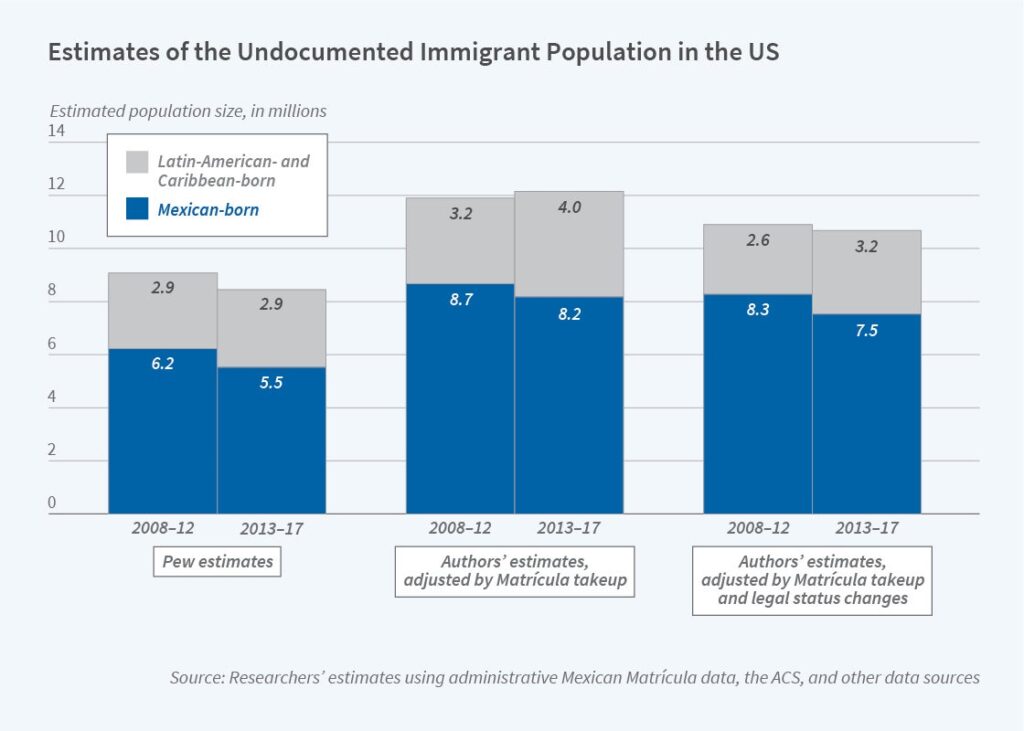
Estimating the number of undocumented workers in the United States is a complex challenge due to the hidden nature of this population. While exact figures are difficult to determine, reputable sources such as the Pew Research Center and the U.S. Department of Homeland Security provide informed estimates based on survey data, immigration records, and demographic analysis.
Current estimates suggest that there are approximately 10.5 million undocumented immigrants living in the U.S., with a significant portion actively participating in the workforce. These individuals contribute to key sectors including agriculture, construction, hospitality, and domestic services, often under exploitative conditions. Understanding their numbers is crucial for shaping effective immigration and labor policies.
How Many Undocumented Workers Are There in the U.S.?
Estimating the exact number of undocumented workers in the United States is challenging due to the nature of their immigration status and the limitations of available data.
 How many undocumented workers are there
However, research and statistical models from reputable sources such as the Pew Research Center and the U.S. Department of Homeland Security provide reliable approximations. As of recent estimates, there are approximately 10.5 million undocumented immigrants living in the U.S., and a significant portion of this population is part of the workforce.
It is estimated that around 7 million undocumented workers are actively employed across various sectors. These individuals often work in industries such as agriculture, construction, hospitality, and food services, where labor demands are high and enforcement of immigration status may be less stringent.
While precise numbers fluctuate due to border enforcement policies, economic conditions, and demographic trends, the overall presence of undocumented workers remains a significant component of the U.S. labor market.
Methods Used to Estimate the Undocumented Worker Population
Researchers use a method known as the residual estimation method to determine the number of undocumented immigrants and workers in the U.S.
 How many undocumented workers in agriculture
This approach involves subtracting the number of legally present foreign-born individuals—documented through census data, visa records, and naturalization statistics—from the total foreign-born population counted in surveys like the American Community Survey (ACS). The difference, or residual, is interpreted as the undocumented population.
Organizations such as the Pew Research Center and the Center for Migration Studies refine this method using demographic adjustments for emigration, mortality, and undercounting in surveys. These estimates are considered the most accurate available, though they come with margins of error due to inherent data gaps and the hidden nature of the population.
Key Industries That Employ Undocumented Workers
Undocumented workers are disproportionately represented in certain sectors of the U.S. economy. According to data from the Department of Labor and the Bureau of Labor Statistics, the top industries employing undocumented labor include agriculture, where up to 50% of workers may lack legal status; construction, where they constitute about 15% of the labor force; and leisure and hospitality, particularly in restaurants and hotels.
These industries often offer jobs that are physically demanding, low-wage, and less likely to provide benefits, making them less attractive to native-born workers.
 How many undocumented workers in california
Employers in these sectors may knowingly or unknowingly hire undocumented workers due to labor shortages and high turnover rates. The reliance on this workforce underscores the complex relationship between immigration status and economic necessity in certain parts of the U.S. economy.
Geographic Distribution of Undocumented Workers in the U.S.
The presence of undocumented workers is not evenly distributed across the United States. States with large immigrant populations and proximity to the southern border tend to have higher concentrations.
California, Texas, Florida, and New York collectively account for nearly half of all undocumented immigrants in the country.
Within these states, metropolitan areas such as Los Angeles, Houston, Miami, and New York City serve as major hubs. However, significant growth has also been observed in non-traditional destinations like Georgia, North Carolina, and Tennessee, driven by expanding industries and job opportunities.
 how many undocumented workers pay taxes
Local enforcement policies, availability of social services, and community networks influence where undocumented workers settle and find employment. Understanding this geographic distribution is essential for policymakers, employers, and service providers.
| Category | Estimated Number | Key Source |
|---|---|---|
| Total Undocumented Immigrants in the U.S. | ~10.5 million | Pew Research Center (2021) |
| Undocumented Workers | ~7 million | Center for Migration Studies (2023) |
| Top Employing Industries | Agriculture, Construction, Hospitality | Bureau of Labor Statistics |
| Top States by Population | California, Texas, Florida, New York | DHS Office of Immigration Statistics |
Frequently Asked Questions
What is the estimated number of undocumented workers in the United States?
The estimated number of undocumented workers in the U.S. ranges between 10 to 11 million, according to recent data from the Pew Research Center and the Department of Homeland Security.
These individuals make up approximately 5% of the total U.S. workforce. Many work in industries like agriculture, construction, and hospitality. Numbers fluctuate slightly year to year due to border enforcement, immigration policies, and economic conditions.
How do researchers estimate the number of undocumented workers?
Researchers estimate undocumented worker populations by analyzing data from the U.S. Census Bureau, adjusting for undercounting, and comparing foreign-born residents with legal status records. Methods include the residual estimation technique, which subtracts legally present immigrants from the total foreign-born population.
Agencies like the DHS and Pew Research Center use this approach. While not exact, these estimates provide reliable trends and insights into the size and characteristics of the undocumented workforce over time.
Which industries employ the most undocumented workers in the U.S.?
Undocumented workers are heavily employed in agriculture, construction, and leisure/hospitality industries. In agriculture, they make up a significant portion of farm laborers. In construction, many work in manual labor roles.
They are also common in food services, landscaping, and meatpacking. These sectors often offer jobs with lower wages and fewer benefits, which can make them more accessible to undocumented individuals who may face barriers to formal employment due to their immigration status.
Has the number of undocumented workers in the U.S. been increasing?
The number of undocumented workers in the U.S. has remained relatively stable over the past decade, with slight fluctuations. After peaking around 12 million in 2007, the population declined and has since leveled off at about 10–11 million.
Increased border enforcement, economic conditions, and changes in migration patterns from Central America and Mexico have contributed to this stability. There is no significant upward trend in recent years, according to DHS and Pew Research data.
Leave a Reply