
How many undocumented workers in agriculture
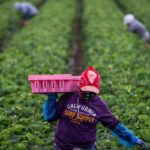
The agricultural sector in the United States relies heavily on a workforce that often operates out of public view—undocumented laborers.
While precise numbers are difficult to determine due to the nature of undocumented status, estimates suggest that between 50% and 70% of farmworkers in the U.S. lack legal documentation. These individuals play a critical role in harvesting crops, tending livestock, and maintaining the nation’s food supply chain.
Despite their contributions, they frequently face precarious working conditions, low wages, and limited access to labor protections. Understanding the scope of undocumented labor in agriculture is essential for shaping fair policies and ensuring a sustainable and ethical food system.
 Undocumented workers in agriculture
How Many Undocumented Workers Are Employed in U.S. Agriculture?
The agricultural sector in the United States relies heavily on immigrant labor, a significant portion of which is comprised of undocumented workers. While exact numbers are difficult to determine due to the informal nature of some employment and underreporting, various studies and government estimates provide insight into the scale of this workforce.
According to the U.S. Department of Agriculture (USDA) and the U.S. Bureau of Labor Statistics, approximately 50% to 70% of farmworkers in the U.S. are undocumented immigrants, primarily from Mexico and Central America. The National Agricultural Workers Survey (NAWS), conducted by the Department of Labor, reports that in recent years, around two-thirds of agricultural workers lack legal authorization to work in the United States.
This dependence on undocumented labor is especially pronounced in labor-intensive sectors such as fruit, vegetable, and dairy farming, where mechanization is limited and manual labor remains essential. The size and stability of the U.S. food supply chain are thus closely tied to this often-vulnerable workforce, raising ongoing debates about immigration policy, labor rights, and food system resilience.
Estimates from the National Agricultural Workers Survey (NAWS)
The National Agricultural Workers Survey (NAWS) is one of the most reliable sources for data on farmworker demographics, including immigration status.
 Florida undocumented workers agriculture
Conducted annually by the U.S. Department of Labor, NAWS collects information from over 3,000 farmworkers each year through interviews at worksites across the country. According to the most recent publicly available data, approximately 68% of crop workers in the U.S. are undocumented.
This figure has steadily increased over the past two decades, up from about 48% in the early 2000s. The survey also finds that over 75% of these workers were born in Mexico, with increasing numbers from Central American countries such as Guatemala and Honduras.
These statistics underscore the critical role that undocumented immigrants play in U.S. agriculture and highlight the challenges associated with enforcement-only immigration policies that could disrupt the labor supply.
Regional and Crop-Specific Variations in Undocumented Labor
The proportion of undocumented workers in agriculture varies significantly by region and crop type. For instance, states like California, Florida, and Washington, which produce labor-intensive crops such as strawberries, tomatoes, and apples, have much higher concentrations of undocumented farm labor.
 How many undocumented workers in california
In California, which produces over a third of the country’s vegetables and two-thirds of its fruits and nuts, it is estimated that up to 75% of farmworkers are undocumented. Conversely, regions with more mechanized production, such as Midwest grain farms, employ far fewer immigrant or undocumented workers.
Dairy farms in states like Wisconsin and New York have also seen a growing reliance on undocumented Latino laborers, especially for milking operations and barn maintenance, demonstrating that the demand for unauthorized labor extends beyond crop farming. These regional disparities reflect the varying labor needs across agricultural sectors and influence local economies and community dynamics.
Economic and Policy Implications of Undocumented Agricultural Labor
The widespread presence of undocumented workers in U.S. agriculture has profound economic and policy implications.
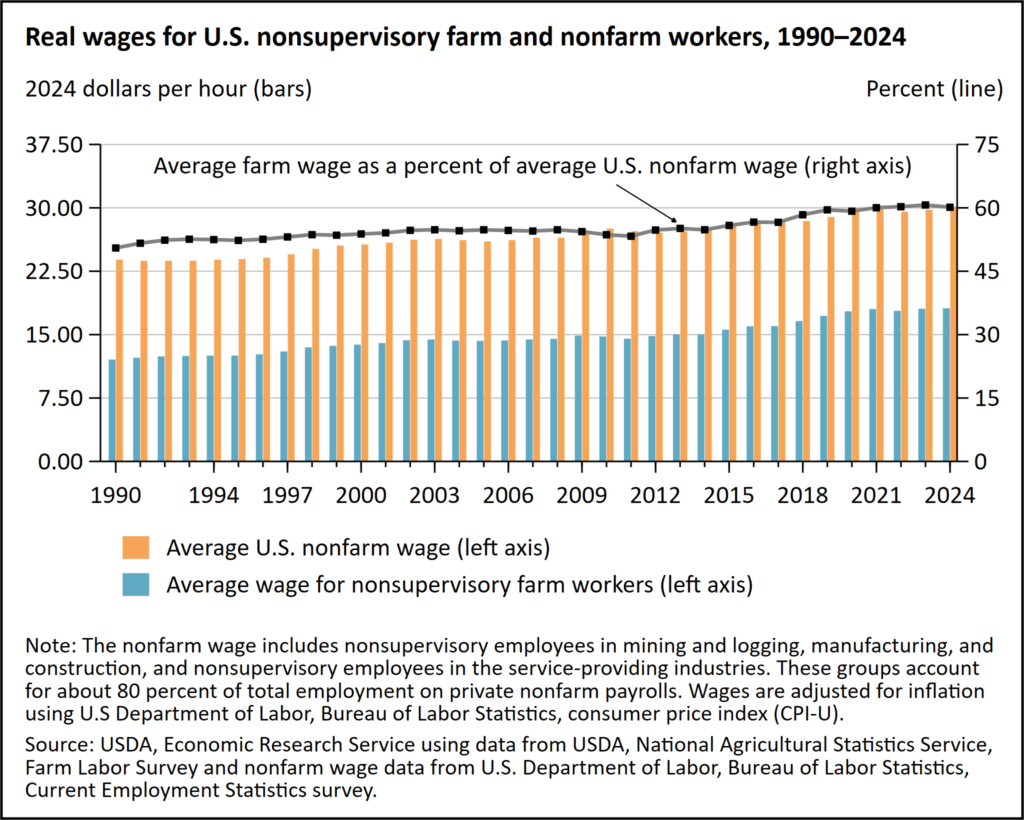
On one hand, their labor helps keep food production costs low, contributing to affordable prices for consumers and profitability for agribusinesses. Many farmers argue that there is no ready domestic workforce willing or able to perform the physically demanding, seasonal, and often poorly compensated work required in agriculture.
On the other hand, the reliance on undocumented labor raises concerns about worker exploitation, wage suppression, and lack of labor protections. Without legal status, many farmworkers fear reporting unsafe working conditions or wage theft. From a policy perspective, current guest worker programs like the H-2A visa program have expanded but are criticized for being bureaucratic, costly, and insufficient to meet labor demands.
Proposals for immigration reform often include pathways to legal status for existing agricultural workers to stabilize the workforce while ensuring greater accountability and protections.
| Source | Estimated % of Undocumented Farmworkers | Key Findings |
|---|---|---|
| National Agricultural Workers Survey (NAWS), 2020–2022 | 68% | Two-thirds of crop workers lack legal status; 75% born in Mexico; increase in Central American workers. |
| USDA Economic Research Service, 2021 | 50%–70% | Heavy reliance in fruit, vegetable, and nursery sectors; regional variation based on crop labor needs. |
| H-2A Visa Program Data, 2023 | N/A (legal workers only) | Over 300,000 H-2A positions certified; highlights labor shortage and increased dependence on temporary foreign labor. |
| Center for Migration Studies, 2022 | 70%–75% | Estimates higher in states like California and Florida; undocumented workers make up majority of hand-harvest labor force. |
Frequently Asked Questions
How many undocumented workers are estimated to be in U.S. agriculture?
Approximately 50% to 70% of agricultural workers in the United States are undocumented, according to government and research estimates.
This translates to around 1 million to 1.3 million workers. The U.S. Department of Agriculture and the Pew Research Center report that undocumented labor plays a critical role in harvesting crops and maintaining farms, particularly in states like California, Florida, and Texas.
Why is it difficult to get exact numbers of undocumented farm workers?
Exact numbers are hard to determine because undocumented workers often avoid official surveys due to fear of deportation. Data primarily comes from estimates by the U.S. Department of Labor, USDA, and academic studies using indirect methods.
Seasonal migration, language barriers, and lack of formal records also contribute to uncertainty. These factors make comprehensive tracking and accurate counting extremely challenging.
Which U.S. states have the highest number of undocumented agricultural workers?
California, Texas, Florida, and Washington have the highest concentrations of undocumented agricultural workers. California alone accounts for a large portion due to its vast farming industry.
These states rely heavily on seasonal labor for crops like strawberries, lettuce, citrus, and apples. The demand for low-cost labor in rural areas continues to drive reliance on undocumented workers across these regions.
What role do undocumented workers play in the U.S. agricultural industry?
Undocumented workers are essential to U.S. agriculture, filling labor-intensive roles in planting, harvesting, and packing crops. They make up a majority of the field workforce, especially in fruit, vegetable, and dairy production.
Without them, many farms would face labor shortages and increased production costs. Their work supports food supply chains and contributes significantly to the U.S. agricultural economy.
Leave a Reply