
Florida undocumented workers agriculture
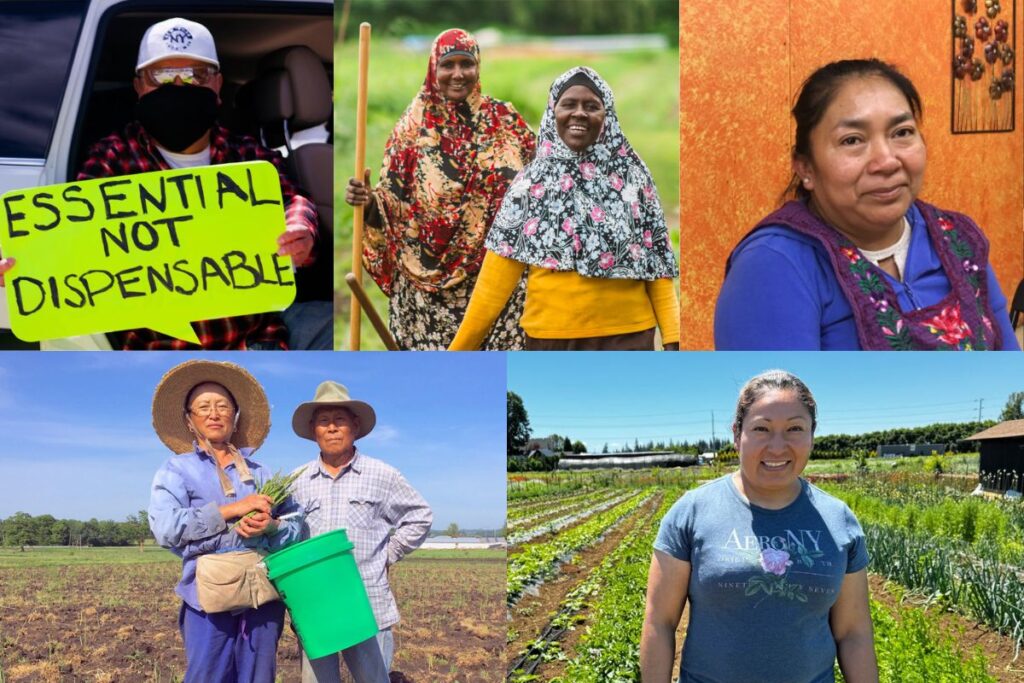
Undocumented workers play a critical role in sustaining Florida’s agricultural industry, often laboring in intense heat and demanding conditions to harvest the state’s vast crops. From citrus groves to vegetable fields, these workers form the backbone of a multibillion-dollar sector that supplies food across the U.S.
Yet, despite their essential contributions, they remain vulnerable to exploitation, wage theft, and limited access to healthcare or legal protections. The reliance on undocumented labor reflects broader systemic issues in immigration policy and labor rights. As debates over reform continue, Florida’s farms face uncertainty, highlighting the complex intersection between agriculture, economics, and immigration.
The Role of Undocumented Workers in Florida's Agricultural Industry
Undocumented workers play a pivotal role in sustaining Florida’s agricultural economy, which heavily depends on seasonal and labor-intensive crop production such as citrus, strawberries, tomatoes, and sugarcane.
 Undocumented workers in agriculture
These workers, often from Latin American countries, constitute a significant portion of the farm labor force, filling essential roles that many native-born workers are unwilling to take due to the physically demanding conditions, long hours, and relatively low wages.
Despite their undocumented status, these individuals contribute substantially through their labor, directly supporting Florida’s position as a leading agricultural producer in the United States. However, their lack of legal status exposes them to exploitation, limited access to healthcare and legal protections, and constant fear of deportation, creating a vulnerable yet indispensable segment of the workforce.
Demographics and Labor Contributions of Undocumented Farmworkers in Florida
The majority of undocumented agricultural workers in Florida are from Mexico, Guatemala, and Honduras, often migrating through established networks in search of economic opportunities.
Many of these individuals possess extensive farming experience and bring valuable skills to fields requiring precision, speed, and endurance, especially during planting and harvest seasons. They are frequently hired through labor contractors or grower associations and work in conditions that demand long shifts under the hot sun, sometimes without adequate breaks or shade.
 Florida undocumented workers law
Despite their crucial role in maintaining the productivity of Florida’s multi-billion-dollar agricultural sector, they are often classified as informal or temporary laborers, which hampers their ability to claim steady wages and benefits. Their work directly supports key export and domestic supply chains, yet their contributions remain underrecognized due to their immigration status.
Challenges Faced by Undocumented Agricultural Workers in Florida
Undocumented farmworkers in Florida face a range of systemic challenges, including workplace exploitation, wage theft, inadequate housing, and limited access to medical care.
Employers sometimes withhold pay, require excessive hours without overtime compensation, or impose unsafe working conditions because they believe these workers are less likely to report abuses due to fear of immigration enforcement. Housing provided by employers—often in overcrowded labor camps—may lack basic sanitation or ventilation, violating state and federal occupational standards.
Additionally, many workers lack health insurance and avoid seeking medical help, even for serious conditions, due to concerns about being reported to authorities. Language barriers and low literacy levels also make it difficult for them to understand their rights or navigate legal systems. These factors combine to create an environment where exploitation can persist with little accountability.
 How many agricultural workers in the us are undocumented
Impact of Immigration Policies on Florida’s Farm Labor Supply
Changes in federal immigration policies directly affect the stability and availability of Florida’s agricultural workforce. Tighter border enforcement and increased deportation efforts have led to labor shortages in rural areas where farming is the primary economic activity.
During peak harvest seasons, the absence of a reliable labor force can result in millions of dollars in crop losses when produce rots in the fields due to lack of pickers. While some growers advocate for expanding temporary worker programs like the H-2A visa to meet labor demands, the application process is costly and complex, deterring smaller farms from participating.
Furthermore, even H-2A workers are tied to specific employers, limiting mobility and potentially enabling abuse. The uncertainty caused by fluctuating immigration policies complicates long-term workforce planning, placing additional pressure on an industry already grappling with rising operational costs and climate-related challenges.
| Issue | Description | Impact on Workers/Farmers |
|---|---|---|
| Labor Shortages | Decrease in available undocumented workers due to immigration enforcement. | Leads to unharvested crops and economic losses for farms. |
| Wage Exploitation | Undocumented status used to justify below-minimum wages or unpaid overtime. | Workers earn insufficient income; farmers may gain short-term cost advantages. |
| H-2A Visa Limitations | Program is expensive and bureaucratic, limiting participation. | Small farms cannot access legal labor, increasing reliance on undocumented workers. |
| Housing Conditions | Substandard, overcrowded, and poorly maintained worker housing. | Poses health risks and reduces overall quality of life for farmworkers. |
| Access to Healthcare | Workers avoid medical care due to fear of deportation or lack of insurance. | Leads to untreated illnesses and long-term public health concerns. |
Frequently Asked Questions
What challenges do undocumented workers face in Florida's agriculture industry?
Undocumented workers in Florida's agriculture industry often face poor working conditions, low wages, lack of access to healthcare, and fear of deportation. Many live in isolated rural areas with limited transportation and resources. Due to their immigration status, they may avoid reporting labor abuses or seeking medical help. Language barriers and lack of legal protections further increase their vulnerability in the workforce.
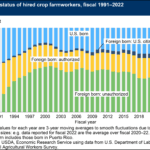 How many undocumented farm workers
Why are undocumented workers important to Florida's agricultural sector?
Undocumented workers are essential to Florida's agricultural sector because they make up a significant portion of the labor force, especially in labor-intensive crops like tomatoes, citrus, and strawberries. Farmers rely on their work during harvest seasons when local labor is often insufficient. Their contributions help maintain the state's position as a leading agricultural producer, ensuring timely harvesting and economic stability in rural communities.
Can undocumented workers in Florida receive workplace protections?
Yes, undocumented workers in Florida are entitled to basic workplace protections under federal law, including minimum wage, overtime pay, and safe working conditions. The Fair Labor Standards Act (FLSA) and Occupational Safety and Health Act (OSHA) apply regardless of immigration status. However, fear of deportation often prevents workers from reporting violations. Advocacy groups encourage enforcement of these rights and protection from employer retaliation.
How does immigration status affect housing and living conditions for farmworkers in Florida?
Immigration status often limits housing options for undocumented farmworkers in Florida, forcing many to live in overcrowded or substandard conditions. Some rely on employer-provided housing, which may lack proper maintenance or safety standards. Fear of authorities discourages reporting poor conditions. Limited legal status also restricts access to public housing or housing assistance programs, increasing vulnerability to exploitation and instability.
Leave a Reply