
How do undocumented workers pay into taxes
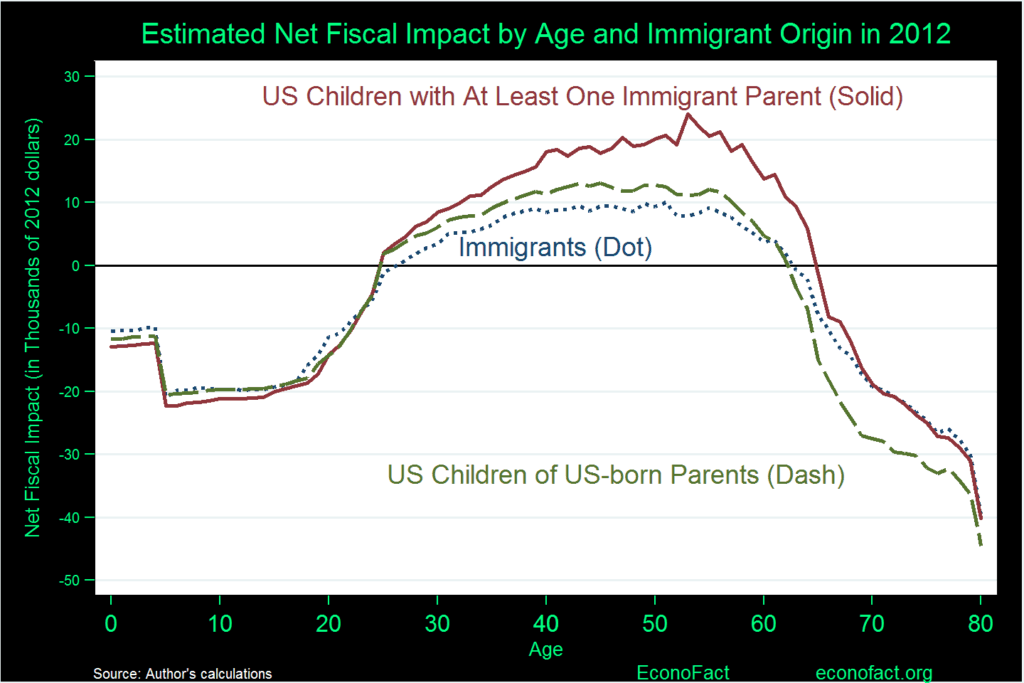
Undocumented workers contribute to the U.S. tax system in significant and often overlooked ways. Despite lacking legal authorization to work, many pay federal, state, and local taxes through payroll deductions, including income and Social Security taxes.
Using Individual Taxpayer Identification Numbers (ITINs) or falsified Social Security numbers, they file tax returns and comply with tax obligations. The IRS estimates billions in tax revenue are collected annually from undocumented individuals.
Surprisingly, they often receive no corresponding tax benefits. Their contributions help fund public services and social programs, underscoring a complex relationship between immigration status and civic responsibility. Understanding how these workers engage with the tax system reveals important nuances in the broader immigration and economic debate.
 How can undocumented workers pay taxes
How Do Undocumented Workers Pay Into Taxes?
Undocumented workers in the United States contribute billions of dollars annually to the tax system, despite lacking legal authorization to work. Many of these individuals pay federal, state, and local taxes through payroll deductions, income tax filings, and sales and property taxes—either directly or indirectly.
A significant number use Individual Taxpayer Identification Numbers (ITINs) or even Social Security numbers (sometimes obtained with fake documents) to file tax returns, allowing them to pay income taxes just like documented workers. U.S. government agencies, such as the Internal Revenue Service (IRS), accept tax payments regardless of immigration status, reinforcing the principle that tax obligations apply broadly.
In fact, reports from the IRS and nonpartisan institutions estimate that undocumented workers contribute over $10 billion per year to the Social Security system alone, despite being largely ineligible to collect benefits later. Their participation in the tax system underscores a complex reality: while they often work in the informal economy and may face exploitation, many strive to comply with tax laws and support public services.
Use of ITINs for Filing Taxes
The Internal Revenue Service (IRS) issues Individual Taxpayer Identification Numbers (ITINs) to individuals who are not eligible for Social Security numbers but must file U.S. tax returns.
 Can undocumented workers pay taxes
Many undocumented workers obtain ITINs to meet their federal tax obligations, enabling them to report income and pay taxes even without legal work authorization. By using an ITIN, these individuals can file Form 1040 and often claim certain deductions or even the Child Tax Credit if they have qualifying dependents.
While having an ITIN does not grant legal status or work authorization, it plays a crucial role in integrating undocumented individuals into the formal tax system, allowing the IRS to process their payments and ensuring they contribute to federal revenue. This mechanism reflects the U.S. government’s policy of encouraging broad tax compliance, regardless of immigration status.
Payroll Taxes and Withholding
When undocumented workers are employed—whether through formal or informal channels—many employers withhold federal income taxes, Social Security taxes, and Medicare taxes from their paychecks just as they do for documented employees.
Even if a worker uses a falsified Social Security number, the employer typically does not verify the validity and proceeds with standard payroll deductions.
 how many undocumented workers pay taxes
These withheld amounts go directly to the IRS and the Social Security Administration (SSA), meaning undocumented workers often build unofficial tax records and contribute to systems like Social Security, which they may never be able to draw from.
The Social Security Administration maintains a “Mysterious Earnings File” for such contributions, which currently holds billions in payments made under mismatched or invalid numbers. Despite not receiving credit for these funds in most cases, the fact remains that these workers help sustain federal programs through consistent payroll tax payments.
State and Local Tax Contributions
Beyond federal income and payroll taxes, undocumented workers also contribute to state and local governments through various forms of taxation. They pay sales taxes when purchasing goods and services, and they contribute to property taxes either directly as homeowners or indirectly through rent, since landlords factor property taxes into rental charges.
Some states have also implemented policies allowing undocumented immigrants to obtain driver’s licenses, which generates additional revenue through licensing fees and associated taxes. Moreover, several states allow or encourage ITIN use for filing state tax returns, meaning undocumented workers can report income and pay state income taxes in places like California, New York, and New Mexico.
 Do undocumented workers pay taxes in california
These widespread fiscal contributions demonstrate that undocumented workers are deeply embedded in the U.S. economy and support public infrastructure, education, and services through multiple tax streams.
| Tax Type | How Undocumented Workers Contribute | Key Mechanism or Document Used |
|---|---|---|
| Federal Income Tax | Filed annually using real or reported income; payments made directly to the IRS. | ITIN or SSN (valid or invalid) |
| Social Security & Medicare (FICA) | Withheld from wages; contributes to trust funds, though benefits are typically inaccessible. | Payroll deduction under employer reporting |
| Sales Tax | Paid on everyday purchases such as food, clothing, and electronics. | No documentation required; automatic at point of sale |
| Property Tax (indirect) | Embedded in rent payments made by tenants, including undocumented renters. | Landlord-paid tax passed on through rent |
| State Income Tax | Paid in states that accept ITINs and require income reporting regardless of status. | State tax returns filed with ITIN |
How Undocumented Workers Contribute to the U.S. Tax System Despite Legal Status
Undocumented workers contribute to the U.S. tax system in various significant ways, even though they lack legal immigration status.
Many pay federal income taxes, Social Security, and Medicare taxes through mechanisms like the Individual Taxpayer Identification Number (ITIN) or by using incorrect Social Security numbers. The Internal Revenue Service (IRS) accepts tax returns from individuals regardless of immigration status, encouraging compliance through programs like the ITIN system.
As a result, undocumented workers collectively pay billions of dollars annually into the tax system, often without being eligible to receive benefits like Social Security payouts or unemployment insurance. Their tax contributions support public services including infrastructure, education, and healthcare, demonstrating a substantial yet often overlooked role in the nation’s economy.
 How much did undocumented workers pay in taxes in 2022
The Role of the Individual Taxpayer Identification Number (ITIN)
The Individual Taxpayer Identification Number (ITIN) is a critical tool that enables undocumented workers to comply with U.S. tax laws.
Issued by the IRS, the ITIN allows individuals who are not eligible for a Social Security Number (SSN) to file tax returns and pay taxes. Since its creation in 1996, millions of undocumented immigrants have used ITINs to report income, contributing to federal revenue while maintaining a financial record.
Though having an ITIN does not grant legal status or work authorization, it fosters tax transparency and helps the government track income and enforce tax compliance among all residents, regardless of immigration status.
Undocumented workers often have payroll taxes deducted from their wages just like authorized workers, including contributions to Social Security and Medicare. These taxes are processed through either an SSN, sometimes obtained fraudulently, or an ITIN. While they pay into the Social Security Trust Fund, most are ineligible to collect benefits later due to their immigration status. This results in a net gain for the system, with the Social Security Administration (SSA) estimating that undocumented workers contribute billions annually to surplus funding. This dynamic strengthens the financial health of Social Security without returning benefits to the majority of those who pay in.
Filing Tax Returns Without Legal Documentation
Many undocumented workers file federal income tax returns each year, even without legal documentation to reside or work in the United States.
Using documents like an ITIN, they report earnings from both formal and informal employment sectors. The IRS prioritizes tax collection over immigration enforcement, allowing individuals to report income without fear of immediate deportation.
This policy, rooted in the principle of tax fairness, ensures broader compliance and revenue generation. Filing taxes can also build a record of presence and good conduct, which may benefit individuals in future immigration proceedings if reforms are enacted.
State and Local Tax Contributions by Undocumented Workers
Beyond federal taxes, undocumented workers contribute to state and local economies through the payment of sales taxes, property taxes (often indirectly through rent), and some state income taxes.
Several states allow individuals to obtain driver’s licenses or state IDs, which facilitates reporting income and increases tax compliance. In states like California and New York, tax revenues from undocumented populations help fund public services including schools, transportation, and emergency services.
These contributions highlight how undocumented workers support community infrastructure, even though they may face barriers in accessing the very services their taxes help sustain.
Impact of Tax Contributions on Economic Policy and Reform Debates
The economic impact of undocumented workers’ tax payments plays a growing role in shaping immigration and fiscal policy debates. Lawmakers and economists increasingly acknowledge that these workers are net contributors to tax revenues, particularly at the federal level.
Studies show that closing loopholes and creating pathways for legal status could further increase compliance and tax yields. Proposals for immigration reform often cite tax contributions as evidence of integration and economic commitment, advocating for recognition of these inputs in policies related to work authorization, pathways to citizenship, and eligibility for benefits.
Frequently Asked Questions
Undocumented workers can pay taxes using an Individual Taxpayer Identification Number (ITIN) issued by the IRS. They file tax returns reporting their income and pay federal, state, and sometimes local taxes. Many employers withhold taxes from their paychecks even without a valid Social Security number. The ITIN allows compliance with U.S. tax laws while protecting workers' information.
Yes, undocumented workers often contribute to Social Security and Medicare through payroll tax deductions. Because they may use fake or borrowed Social Security numbers, their payments go into the system but they usually cannot claim benefits later.
These contributions help fund the programs and result in a surplus for the U.S. government, as many pay in but are ineligible to receive benefits.
Why would undocumented workers choose to pay taxes?
Undocumented workers pay taxes to comply with U.S. laws and protect themselves from legal issues. Paying taxes can also support future immigration claims, such as applications for legal status. Some states require tax filing for benefits like driver’s licenses. It also demonstrates financial responsibility, which may help in proving good moral character during immigration proceedings or employment verification.
Can undocumented workers receive a tax refund?
Undocumented workers may receive a tax refund if they overpaid through withholding, even if using an ITIN. They must file a tax return to claim it. However, they typically don’t qualify for major refundable credits like the Earned Income Tax Credit (EITC) unless they meet very specific criteria. Refunds depend on income, taxes paid, and applicable deductions or credits claimed on their return.
Leave a Reply