
How many undocumented workers in texas
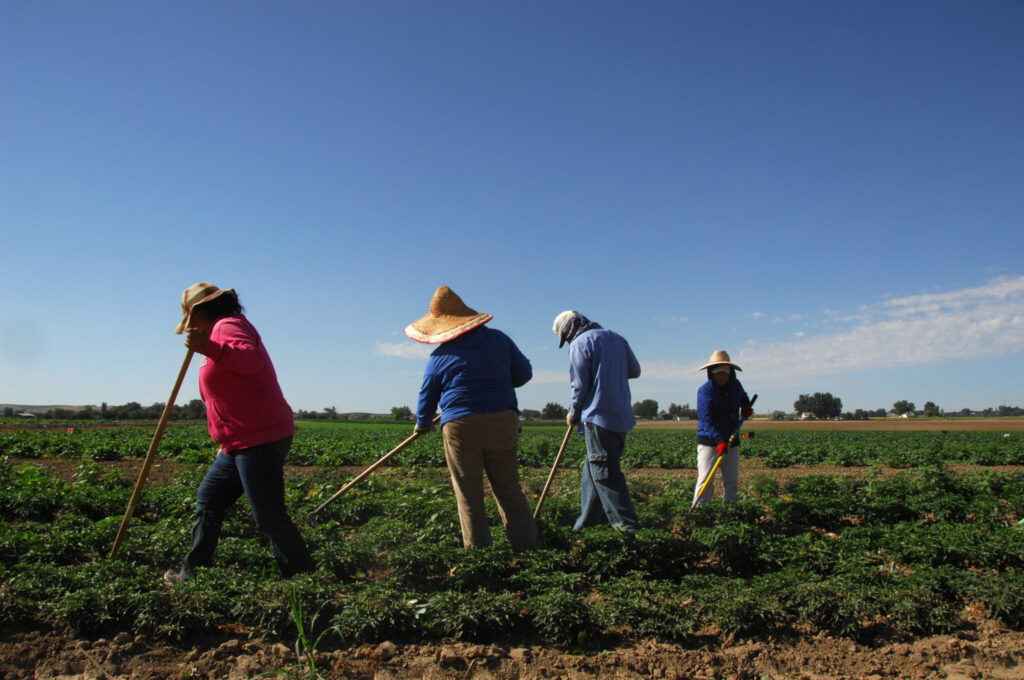
The number of undocumented workers in Texas has long been a topic of significant debate and scrutiny. As one of the largest and most economically dynamic states in the U.S., Texas shares a 1,254-mile border with Mexico, making it a key point of entry for migrants. Estimates suggest that hundreds of thousands of undocumented individuals contribute to industries such as agriculture, construction, and hospitality.
While exact figures are difficult to determine due to the nature of undocumented status, research from organizations like the Pew Research Center provides insight into their population size and economic impact. Understanding the scope of undocumented labor in Texas is essential for informed policy discussions.
How Many Undocumented Workers Are in Texas?
Estimates suggest that there are approximately 1.6 million undocumented immigrants living in Texas, making it the state with the second-largest undocumented population in the United States after California.
 How many undocumented workers
A significant portion of this population is part of the labor force, with studies indicating that around 600,000 to 700,000 undocumented workers are actively employed across various sectors. These individuals contribute to key industries such as agriculture, construction, hospitality, and domestic services, often filling essential roles that support Texas’s robust economy.
Due to the nature of their legal status, precise figures are difficult to determine, but data from organizations like the Pew Research Center and the Migration Policy Institute provide reliable estimates based on U.S. Census data, immigration records, and demographic analysis. The presence of undocumented workers in Texas continues to be a central topic in discussions about immigration policy, labor rights, and economic contribution.
Key Industries Employing Undocumented Workers in Texas
Undocumented workers in Texas are heavily concentrated in industries that rely on low-wage, labor-intensive jobs.
The construction sector employs a significant number of undocumented laborers, particularly in rapidly growing metropolitan areas like Houston, Dallas, and San Antonio. Additionally, the agricultural industry in South and West Texas depends on migrant and undocumented farmworkers for harvesting crops such as vegetables, citrus, and cotton.
 How many undocumented workers are there
The hospitality and service industries, including restaurants, hotels, and landscaping, also rely on undocumented labor due to high demand and relatively low barriers to entry. While these workers often face substandard wages and limited workplace protections, their presence is crucial to maintaining the operational capacity of these sectors.
Demographic and Geographic Distribution
Undocumented workers in Texas are not evenly distributed but tend to cluster in specific regions, especially along the U.S.-Mexico border and in major urban centers.
Counties such as Hidalgo, El Paso, and Webb have high concentrations of undocumented immigrants, driven by proximity to border crossings and established migrant communities. In cities like Houston and Dallas-Fort Worth, diverse immigrant networks provide support and informal job opportunities.
Demographically, the majority of undocumented workers are from Mexico and Central American countries, with many having lived in Texas for over a decade. They often reside in mixed-status households, where some members are U.S. citizens or legal residents, complicating enforcement efforts and community integration.
 How many undocumented workers are there in the us
Estimates and Sources of Data on Undocumented Workers
Because the U.S. government does not directly count undocumented immigrants, population estimates are derived from indirect methods.
The Pew Research Center uses residual estimation, which subtracts the number of legally present foreign-born residents from the total foreign-born population in Census and American Community Survey data.
Similarly, the Migration Policy Institute (MPI) analyzes demographic trends, visa overstay records, and border apprehension data to produce state-level estimates.
According to these sources, Texas accounted for roughly 12% of the national undocumented population in recent years. These figures are periodically updated and are considered the most authoritative available, despite inherent limitations due to undercounting and shifting migration patterns.
 How many undocumented workers are there in the united states
| Source | Estimated Undocumented Population in Texas | Year of Estimate | Key Methodology |
|---|---|---|---|
| Pew Research Center | 1.6 million | 2021 | Residual estimation using Census data |
| Migration Policy Institute (MPI) | 1.58 million | 2022 | Demographic modeling and visa overstay analysis |
| Center for Migration Studies | 1.4 million | 2023 | Adjusted American Community Survey data |
Frequently Asked Questions
How many undocumented workers are estimated to be in Texas?
It is estimated that there are approximately 1.6 million undocumented immigrants living in Texas, many of whom are part of the workforce. These individuals work across various industries, including agriculture, construction, and services.
Exact numbers are difficult to determine due to the nature of undocumented status, but data from the Pew Research Center and other demographic studies provide these widely cited estimates based on survey analysis and population trends.
Which industries in Texas employ the most undocumented workers?
Undocumented workers in Texas are heavily represented in agriculture, construction, hospitality, and food services. These industries often rely on labor that is flexible and cost-effective, which undocumented workers frequently provide. Many employers in these sectors hire individuals without legal status due to lower wages and high demand for manual labor, especially in rural areas and fast-growing urban centers where oversight may be limited.
How do experts estimate the number of undocumented workers in Texas?
Experts estimate the number of undocumented workers by analyzing data from the U.S. Census Bureau, American Community Survey, and other federal sources, subtracting legally resident populations from total foreign-born residents.
Organizations like the Pew Research Center use these methods to derive estimates. While precise counts are impossible due to lack of official records, statistical models and demographic trends provide reliable approximations used by researchers and policymakers.
Does the Texas government track the number of undocumented workers?
The Texas government does not maintain an official count of undocumented workers, as federal immigration enforcement falls under U.S. jurisdiction. State agencies rely on federal data and research estimates from institutions like Pew Research Center.
While Texas collects some demographic and workforce data, it does not specifically identify individuals by immigration status in most records, making direct tracking impossible without federal cooperation or national immigration reforms.
Leave a Reply