
How many undocumented workers
The number of undocumented workers worldwide remains a complex and often debated topic, shaped by migration patterns, economic demand, and shifting immigration policies.
These individuals, who live and work without legal authorization, contribute significantly to sectors like agriculture, construction, and service industries, particularly in countries such as the United States, Canada, and several Western European nations. Estimating their exact population is challenging due to the hidden nature of their status and limited data.
However, research suggests millions operate in the informal economy, often facing exploitation and uncertain legal conditions. Understanding the scale and impact of undocumented labor is essential for informed policy-making and humane immigration reform.
 How many undocumented workers are there
How Many Undocumented Workers Are There in the United States?
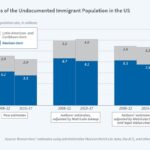
Estimates of the number of undocumented workers in the United States vary depending on the source and methodology, but most data point to a significant population contributing to the U.S. labor force. According to the Pew Research Center, there were approximately 10.5 million unauthorized immigrants living in the U.S. in 2017, with a large portion being part of the workforce.
The Department of Homeland Security (DHS) and the U.S. Census Bureau use survey data and demographic modeling to derive these figures, factoring in legal status, employment records, and household surveys.
While no official count exists due to the nature of undocumented status, these estimates help inform policy, economic analyses, and public discourse on immigration. The number has remained relatively stable over the past decade, after a notable decline following the 2007–2009 recession.
Estimates from Key Research Organizations
The Pew Research Center and the Department of Homeland Security are among the most cited sources for statistics on undocumented workers.
 How many undocumented workers in agriculture
Pew estimates that in 2017, about 7.6 million unauthorized immigrants were part of the U.S. civilian labor force, a figure that represents roughly 4.6% of the total workforce. The Center uses data from the American Community Survey (ACS) and applies demographic adjustments to account for undercounting.
Similarly, DHS publishes annual estimates based on the same datasets, concluding a range between 10 and 11 million unauthorized immigrants since 2010. These organizations emphasize the difficulty of precise measurement but agree that undocumented workers are deeply integrated into sectors like agriculture, construction, and hospitality.
Sectors with the Highest Employment of Undocumented Workers
Undocumented workers are not evenly distributed across industries. According to the Proceedings of the National Academy of Sciences (PNAS) and the Bureau of Labor Statistics (BLS), agriculture has the highest concentration, with estimates suggesting that over 50% of farmworkers are undocumented.
The construction industry follows, where nearly 15% of workers are believed to be unauthorized, particularly in skilled trades like roofing and framing.
 How many undocumented workers in california
Other prominent sectors include leisure and hospitality (e.g., restaurants, hotels) and private households (e.g., cleaning, childcare), where ease of informal hiring practices increases reliance on undocumented labor. These figures underscore their critical role in maintaining the functioning of essential yet labor-intensive industries.
Geographic Distribution of Undocumented Workers
The presence of undocumented workers varies significantly by state, largely influenced by proximity to the border, economic demand, and historical migration patterns.
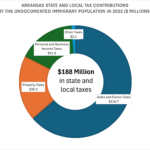
States like California, Texas, and Florida host the largest populations, with each accounting for millions of unauthorized immigrants. According to Pew, California alone had an estimated 2.7 million undocumented residents in 2017, many employed in agriculture, services, and manufacturing.
Meanwhile, states such as New York, Illinois, and Arizona also have substantial numbers. Urban centers like Los Angeles, Houston, and Miami serve as economic hubs where undocumented individuals find employment opportunities and social networks, further contributing to regional labor market dynamics.
 how many undocumented workers pay taxes
| Source/Category | Total Undocumented Population (Estimate) | Undocumented Workers in Labor Force | Key Sectors |
|---|---|---|---|
| Pew Research Center (2017) | 10.5 million | 7.6 million | Agriculture, Construction, Services |
| Department of Homeland Security (2018) | 10.3 million | Approx. 7.3 million | Construction, Food Services, Landscaping |
| U.S. Chamber of Commerce Analysis | ~11 million | ~8 million | Hospitality, Agriculture, Domestic Work |
Frequently Asked Questions
How many undocumented workers are estimated to be in the United States?
Approximately 10.5 million undocumented immigrants live in the United States, according to recent estimates from the Pew Research Center.
A significant portion of this population is part of the workforce, with about 7 million undocumented workers employed across various sectors. These estimates are based on data from the U.S. Census Bureau and Department of Homeland Security, analyzed to account for undercounting and migration patterns.
Which industries employ the most undocumented workers?
Undocumented workers are heavily represented in agriculture, construction, hospitality, and food services. These industries often rely on immigrant labor due to labor shortages and the physically demanding or low-wage nature of the jobs.
In agriculture, for example, up to 70% of workers may be undocumented. Construction and landscaping also employ large numbers, while hotels and restaurants depend on them for housekeeping, kitchen, and service roles.
 How many undocumented workers are there in the us
How do undocumented workers obtain employment in the U.S.?
Undocumented workers often secure jobs using borrowed or falsified documents, such as Social Security numbers or identification. Some employers may knowingly or unknowingly hire them due to labor demands.
Undocumented individuals may also work off the books in cash-paying jobs, avoiding formal payroll systems. Day labor sites, word-of-mouth networks, and immigrant-serving organizations also help connect them to employment, particularly in informal or gig economies.
What is the economic impact of undocumented workers in the U.S.?
Undocumented workers contribute significantly to the U.S. economy by filling essential labor gaps, particularly in low-wage sectors.
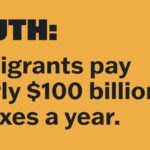
They pay billions in taxes annually, including sales, property, and sometimes income taxes, despite being ineligible for most benefits. Their labor supports industries like agriculture and construction, helping keep consumer prices lower. Overall, studies show their net fiscal impact is modestly positive over time, especially at the federal level.
Leave a Reply