
Undocumented workers in agriculture
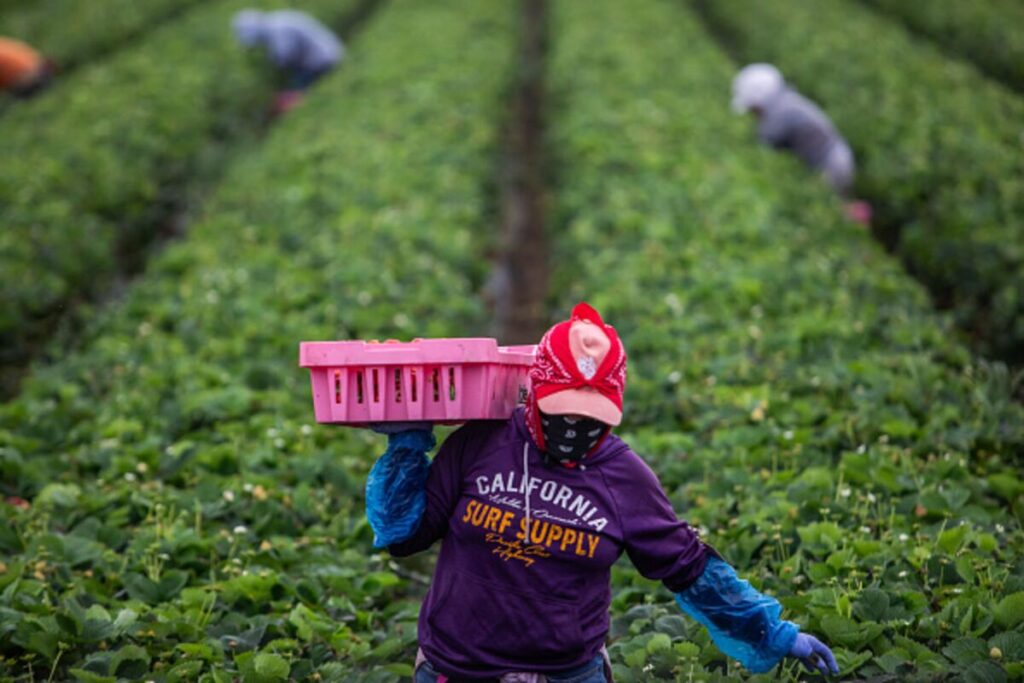
Undocumented workers play a vital role in the agricultural industry, often performing grueling labor under challenging conditions to ensure food reaches tables across the nation. Despite their contributions, these workers remain largely invisible, excluded from legal protections and basic labor rights due to their immigration status.
Many face exploitation, low wages, and limited access to healthcare or education. Their presence raises complex questions about labor policies, immigration reform, and ethical responsibilities within the food system.
As demand for agricultural products continues to grow, so does reliance on undocumented labor, highlighting the urgent need for comprehensive solutions that balance economic needs with human dignity.
 Florida law on hiring undocumented workers
The Role and Challenges of Undocumented Workers in U.S. Agriculture
Undocumented workers play a critical role in sustaining the agricultural backbone of the United States, often performing labor-intensive tasks that are essential to food production yet frequently overlooked or undervalued. These individuals constitute a significant portion of the farm labor force, particularly in labor-demanding sectors such as fruit, vegetable, and dairy farming.
Despite their indispensable contributions, undocumented workers face systemic vulnerabilities, including limited legal protections, substandard working conditions, fear of deportation, and minimal access to healthcare or legal recourse. Their immigration status makes them reliant on employers who may exploit their precarious position, resulting in low wages, long hours, and exposure to hazardous environments.
The reliance on undocumented labor also reflects broader structural issues within the agricultural sector, including labor shortages, restrictive guest worker programs, and an aging domestic workforce. Addressing their situation requires comprehensive immigration reform, improved labor enforcement, and policies that recognize both the humanity and economic importance of these workers.
Demographics and Contributions of Undocumented Farmworkers
The majority of undocumented farmworkers in the United States originate from Mexico and Central America, often migrating in search of better economic opportunities and escaping political instability or poverty.
 Florida law undocumented workers
According to data from the U.S. Department of Labor and agricultural surveys, approximately half of all agricultural workers in the U.S. are undocumented, with concentrations in states like California, Florida, Texas, and Washington.
These workers are primarily employed in harvesting perishable crops such as strawberries, lettuce, tomatoes, and grapes, where manual labor remains irreplaceable by machinery due to the delicate nature of the produce.
Their contributions are vital: agriculture is a multibillion-dollar industry that depends on timely and efficient labor to meet national and international food demands. Without undocumented laborers, many farms would struggle to operate profitably, highlighting their central role in food security and the overall agricultural economy.
Legal and Working Conditions Faced by Undocumented Agricultural Workers
Undocumented agricultural workers routinely endure difficult and often unsafe working conditions due to their immigration status and the lack of robust labor protections in rural areas. While federal laws such as the Migrant and Seasonal Agricultural Worker Protection Act (MSPA) establish baseline standards for wages, housing, and transportation, enforcement is inconsistent, and fear of deportation discourages workers from reporting abuses. Many face wage theft, lack of clean drinking water, inadequate rest breaks, and exposure to extreme weather and hazardous pesticides without proper protective gear. Additionally, housing provided by employers may be overcrowded and unsanitary. Because undocumented workers are ineligible for most federal benefits and lack legal standing, they are particularly vulnerable to exploitation and abuse by unscrupulous employers. This climate of fear undermines workplace safety and perpetuates cycles of economic and social marginalization in rural communities.
 Florida undocumented workers law
Legal Pathways and Policy Challenges for Farm Labor
Current legal pathways for agricultural workers, such as the H-2A visa program, are often criticized for being overly bureaucratic, costly, and insufficient to meet labor demands. While the H-2A program allows U.S. farmers to hire foreign workers for temporary agricultural jobs, employers must meet strict requirements, including providing housing, transportation, and paying a government-mandated wage.
However, the application process is lengthy and administratively burdensome, leading many smaller farms to rely on undocumented labor instead. Meanwhile, undocumented workers have no accessible route to legal status, even after years of service to the agricultural sector.
Reforms such as expanding visa quotas, creating a blue card system for farmworkers, or offering legalization pathways based on work history have been proposed, but political challenges have stalled meaningful legislative action. Without reform, the dependency on undocumented labor will persist, exacerbating labor instability and leaving both workers and farmers in a state of uncertainty.
| Aspect | Situation for Undocumented Workers | Policy or Systemic Barrier |
|---|---|---|
| Employment Sector | Concentrated in fruit, vegetable, and dairy farming; 70% in crop production | Lack of mechanization in perishable crop harvesting |
| Legal Protections | Limited access to labor rights enforcement despite coverage under MSPA | Fear of deportation prevents reporting of abuses |
| Health and Safety | Exposure to pesticides, extreme heat, and lack of protective equipment | Inadequate OSHA oversight in agriculture |
| Path to Legal Status | No current legal mechanism for undocumented farmworkers to gain status | Stalled legislative proposals (e.g., Farm Workforce Modernization Act) |
| Employer Dependency | High reliance on undocumented labor, especially during peak seasons | H-2A program limitations and cost barriers |
The Essential but Overlooked Backbone of U.S. Agriculture
Undocumented workers form a critical component of the agricultural labor force in the United States, contributing significantly to the cultivation and harvest of a wide variety of crops that end up on American tables.
Despite their indispensable role, these workers often labor in precarious conditions, with limited access to legal protections, healthcare, and fair wages.
Their presence in the sector highlights a paradox: while their work is vital to food security and the economy, they remain largely invisible in policy discussions and face constant threats of deportation and exploitation.
By relying heavily on undocumented labor, the agricultural industry sustains its productivity but perpetuates systemic vulnerabilities that demand comprehensive reform.
Demographics and Origins of Undocumented Farmworkers
The majority of undocumented farmworkers in the U.S. come from Mexico and Central American countries such as Guatemala, Honduras, and El Salvador, often migrating due to economic hardship, violence, and climate-related agricultural collapse in their home countries.
These workers are typically young males, although women and adolescents also participate in farm labor, especially during peak harvest seasons.
Many cross the border without authorization or overstay temporary visas, entering an underground workforce where their immigration status limits their ability to advocate for better conditions. Understanding these demographic trends is key to crafting policies that address both labor needs and human rights concerns.
Working Conditions and Labor Rights Violations
Undocumented agricultural workers frequently endure harsh working conditions, including exposure to extreme heat, pesticides, and long hours with minimal breaks.
Due to their legal status, they are often excluded from basic labor protections enforced by agencies such as the Occupational Safety and Health Administration (OSHA), even though federal labor laws technically apply to them.
Fear of retaliation or deportation discourages reporting of wage theft, unsafe environments, and other abuses, making them vulnerable targets for exploitation by unscrupulous employers. This lack of accountability perpetuates cycles of abuse and reinforces the marginalization of an already vulnerable population.
Contribution to the U.S. Food Supply Chain
Undocumented laborers play a foundational role in maintaining the efficiency and affordability of the U.S. food system. From strawberries in California to apples in Washington and citrus in Florida, their hands are involved in nearly every stage of crop production.
Studies estimate that over 70% of farmworkers in the U.S. are undocumented, underscoring their indispensable contribution to national food security. Without this labor force, many farms would face severe shortages, potentially leading to higher food prices and reduced crop yields, which highlights the deep dependence of the agricultural sector on immigrant labor.
Impact of Immigration Enforcement on Farming Communities
Aggressive immigration enforcement policies, such as workplace raids and increased border surveillance, generate widespread fear within agricultural communities and disrupt labor availability. When undocumented workers are detained or deported, farms often face sudden labor shortages, jeopardizing harvests and causing significant economic losses.
Some growers report leaving crops unharvested due to the inability to find replacement labor, revealing the fragility of a system built on informal labor networks. Moreover, enforcement actions damage trust between workers and local institutions, further isolating immigrant communities and deterring them from accessing essential services.
Pathways to Legalization and Policy Reform
Creating viable legalization pathways for undocumented farmworkers is essential to addressing labor instability and promoting humane working conditions. Proposals such as the Farm Workforce Modernization Act aim to provide temporary legal status and eventual green cards to agricultural workers who meet specific work history requirements.
Such reforms would not only stabilize the labor force but also empower workers to assert their rights without fear of deportation.
Comprehensive immigration reform that recognizes the economic value and human dignity of undocumented farm laborers is long overdue and crucial for building a sustainable agricultural future.
Frequently Asked Questions
What are undocumented workers in agriculture?
Undocumented workers in agriculture are individuals employed in farming, harvesting, and related activities who lack legal immigration status in the country where they work.
Many come from Mexico and Central America, filling essential labor gaps in the U.S. agricultural sector. Despite their critical role in food production, they often work without legal protections, face exploitation, and live in constant fear of deportation due to their immigration status.
Why do farms hire undocumented workers?
Farms hire undocumented workers because they often accept lower wages and fill labor shortages that citizen workers may avoid due to the physically demanding nature of farm work and relatively low pay.
Additionally, agricultural jobs typically offer seasonal employment with limited benefits, making them less attractive to documented workers. Undocumented laborers provide a reliable workforce, helping keep food production running efficiently and costs lower for consumers.
What challenges do undocumented agricultural workers face?
Undocumented agricultural workers face low wages, long hours, exposure to pesticides, lack of health care, and poor housing conditions. They often fear reporting abuse or unsafe conditions due to risk of deportation.
Language barriers and limited access to legal resources further isolate them. Many endure exploitation because they depend on employers for income and sometimes housing, leaving them vulnerable to labor violations and human rights abuses without adequate legal protection.
Are undocumented farm workers protected by labor laws?
Yes, undocumented farm workers are protected by most U.S. labor laws, including minimum wage, overtime, and workplace safety regulations, regardless of immigration status.
However, many do not report violations due to fear of job loss or deportation. Limited enforcement in rural areas and lack of legal representation also reduce protection effectiveness. Advocacy groups work to inform workers of their rights and support efforts to improve working conditions across the agricultural industry.
Leave a Reply