
Do undocumented workers pay income taxes
Millions of undocumented workers contribute to the U.S. economy each year, often paying into the tax system despite their immigration status.
While lacking legal authorization to work, many file tax returns using Individual Taxpayer Identification Numbers (ITINs) or other methods, paying federal, state, and payroll taxes. Studies show that undocumented immigrants contribute billions annually in taxes, helping fund Social Security and Medicare—programs they are typically unable to access.
This raises complex questions about fairness, policy, and the role of taxes in immigration reform. Exploring whether and how undocumented workers pay income taxes reveals a nuanced reality behind common misconceptions and highlights their often-overlooked economic impact.
 Do undocumented workers pay income tax
Do Undocumented Workers Pay Income Taxes?
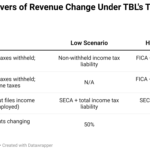
Undocumented workers in the United States often do pay income taxes, despite their immigration status. Many use Individual Taxpayer Identification Numbers (ITINs) or falsified Social Security numbers to file tax returns, contributing billions of dollars annually to federal, state, and local tax systems.
The Internal Revenue Service (IRS) accepts tax filings from individuals regardless of immigration status, and it does not report taxpayers’ status to immigration enforcement agencies.
Studies and government reports have shown that a significant portion of undocumented workers pay payroll taxes, including Social Security and Medicare (FICA taxes), income taxes, and sales and property taxes—often without being eligible to receive benefits like Social Security retirement funds. This creates what economists call a “tax surplus” where undocumented workers contribute more in taxes than they receive in public services.
How Do Undocumented Workers File Taxes?
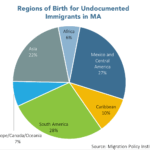
Undocumented workers can file taxes using an Individual Taxpayer Identification Number (ITIN), which the IRS issues to individuals who are not eligible for a Social Security number but have a tax filing or reporting requirement.
 How can undocumented workers pay taxes
These ITINs allow immigrants, including undocumented workers, to report their income and pay federal income taxes. Many choose to file taxes to build a record of residence and financial responsibility, which can help in certain immigration processes such as adjustments of status or applications for relief.
Additionally, some undocumented workers use mismatched or fake Social Security numbers, which allows their employers to withhold payroll taxes, though this method carries legal risks. Regardless of the method, filing taxes contributes to government revenue and strengthens financial transparency, even if the worker lacks legal authorization to work.
What Types of Taxes Do Undocumented Workers Pay?
Undocumented workers pay several types of taxes, including federal and state income taxes, payroll taxes (FICA), sales taxes, and property taxes (either directly or through rent).
According to the IRS, millions of tax returns are filed each year using ITINs, indicating widespread tax compliance among undocumented populations. Payroll taxes are typically withheld by employers from workers’ earnings, even if the employee uses an incorrect or ITIN-linked Social Security number.
 Do undocumented workers pay social security
These workers contribute substantially to the Social Security trust fund, though most are ineligible to collect benefits later in life. State and local governments also benefit from tax payments, especially through consumption-based taxes like sales tax, which are levied regardless of immigration status.
Economic Impact of Tax Contributions by Undocumented Workers
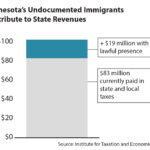
The tax contributions of undocumented workers have a significant impact on the U.S. economy. According to reports from the Institute on Taxation and Economic Policy (ITEP) and the Social Security Administration, undocumented immigrants contribute over $10 billion annually to Social Security and billions more in federal, state, and local taxes.
These payments help fund public services and infrastructure, support the solvency of Social Security, and offset budget shortfalls in various states.
In some regions, undocumented workers make up a critical portion of the labor force in industries such as agriculture, construction, and hospitality, where their tax contributions support local economies. Their participation in the formal tax system enhances overall economic stability, even as debate continues over their broader rights and protections.
 How much in taxes do undocumented workers pay
| Type of Tax | How It’s Paid | Estimated Annual Contribution (Undocumented Workers) |
|---|---|---|
| Federal Income Tax | Filed using ITIN or SSN (valid or invalid) | Over $14 billion (ITEP estimate) |
| Payroll Taxes (FICA) | Withheld by employer; contributes to Social Security and Medicare | Over $13 billion (SSA estimate) |
| Sales & Property Taxes | Through consumption and rent payments | Varies by state; billions collectively |
While many assume undocumented workers avoid taxes, a significant number actively contribute to the U.S. federal and state tax systems through income, payroll, and sales taxes. The IRS issues Individual Taxpayer Identification Numbers (ITINs) specifically to allow non-residents, including undocumented individuals, to file taxes, ensuring compliance despite immigration status.
Millions use these ITINs annually, submitting tax returns and paying hundreds of millions in taxes, including contributions to Social Security and Medicare, though most are ineligible to benefit from these programs. Their payments bolster public revenue, support local economies, and demonstrate a financial commitment to the communities in which they live and work.
The Role of ITINs in Tax Compliance
The Individual Taxpayer Identification Number (ITIN) is central to enabling tax compliance among undocumented workers, providing a mechanism to report income without requiring a Social Security number.
Issued by the IRS since 1996, ITINs are available to foreign nationals and their dependents who are required to file U.S. tax returns but do not qualify for Social Security numbers. By using ITINs, undocumented individuals can legally report earned income and pay federal income taxes, even if they are not authorized to work.
 How much taxes do undocumented workers pay
This system promotes accountability and transparency, allowing the government to track revenue from all sources while ensuring that taxes are collected regardless of immigration status. As a result, ITINs serve as a critical tool in integrating undocumented populations into the formal tax economy.
Undocumented workers contribute billions of dollars annually to the Social Security Administration (SSA) through payroll tax withholdings, despite being largely ineligible to claim future benefits. Employers often withhold FICA taxes—covering Social Security and Medicare—from wages paid to undocumented employees, treating them similarly to authorized workers for tax purposes.
The SSA maintains a "deemed assets" account through its Earnings Suspense File (ESF), where wages linked to mismatched or invalid Social Security numbers are stored.
Estimates suggest this account holds over $500 billion in unclaimed contributions, highlighting how undocumented labor indirectly strengthens public trust funds. These payments represent a one-way financial flow, in which workers pay into the system but are legally barred from drawing benefits later.
Federal and State Income Tax Obligations
Regardless of immigration status, all individuals earning income in the United States are subject to federal income tax laws, including undocumented workers. If income exceeds certain thresholds, filing a tax return is mandatory under IRS rules.
Many undocumented individuals comply by filing taxes using ITINs, reporting wages, self-employment income, or earnings from informal jobs. States such as California and New York allow ITIN filers to claim state tax credits, like the earned income tax credit (EITC), further integrating them into the tax system.
This compliance reflects not only legal obligation but also a desire to build financial records, access banking services, or support potential future immigration relief applications. Consequently, tax payment becomes a form of economic participation and civic contribution.
Scope of Undocumented Workers in the U.S. Economy
Estimates suggest that there are approximately 10.5 million undocumented immigrants living in the United States, many of whom are part of the labor force in sectors such as agriculture, construction, hospitality, and home care.
A considerable portion of these workers are employed formally or informally, earning wages that are subject to taxation. Studies from reputable sources like the Pew Research Center and the Institute on Taxation and Economic Policy (ITEP) confirm that undocumented workers contribute between $9 billion and $12 billion annually in state and local taxes alone.
Federal tax contributions add substantially more, giving them a tangible role in funding public services such as education, infrastructure, and emergency response. Their economic footprint underscores their role not as tax evaders, but as silent stakeholders in America’s fiscal system.
Common Misconceptions About Tax Evasion and Illegal Immigration
A persistent myth holds that undocumented immigrants do not pay taxes and instead drain public resources, but data consistently disproves this claim. In reality, research from the IRS, Treasury Department, and independent think tanks shows that most undocumented workers pay taxes either through withholding, ITIN filings, or sales and property taxes.
The misconception often stems from confusion between eligibility for benefits and tax contributions—while they pay into programs like Social Security, they cannot access benefits under current law.
Furthermore, using ITINs does not authorize work or confer legal status, yet many file returns diligently to maintain records or support future immigration applications. Clearing up these misconceptions is vital for informed public policy, ensuring that tax contributions of undocumented workers are recognized fairly.
Frequently Asked Questions
Do undocumented workers pay income taxes?
Yes, many undocumented workers pay income taxes. They often use Individual Taxpayer Identification Numbers (ITINs) or forged Social Security numbers to file tax returns. The IRS accepts tax payments regardless of immigration status, and studies show undocumented workers contribute billions annually in federal, state, and local taxes, including income and payroll taxes, helping fund programs like Social Security and Medicare.
Undocumented workers pay taxes to comply with U.S. tax laws and increase their chances of future legalization. Paying taxes demonstrates responsibility and can support applications for legal status. Additionally, income and payroll taxes are withheld by employers, making payment automatic. Even without work authorization, tax obligations apply to anyone earning income in the U.S., regardless of immigration status.
Can undocumented workers receive tax refunds?
Undocumented workers generally cannot receive tax refunds unless they qualify for certain tax credits. For example, those with ITINs may claim the Child Tax Credit if they have qualifying children who are U.S. citizens or residents. However, they are not eligible for benefits like the Earned Income Tax Credit if using an ITIN. Refund eligibility depends on specific tax situations and filing status.
Undocumented workers can file taxes using an Individual Taxpayer Identification Number (ITIN) issued by the IRS. They complete Form W-7 along with their tax return to apply. ITINs allow individuals without Social Security numbers to report income and pay taxes. Many use this method to file federal and sometimes state returns, ensuring compliance and maintaining a tax record despite their immigration status.
Leave a Reply