
Do undocumented workers pay social security

Millions of undocumented workers in the United States contribute billions of dollars annually to the Social Security system through payroll taxes, often using incorrect or borrowed identification numbers. Despite these contributions, most are ineligible to collect benefits due to their immigration status.
This paradox has sparked debate over fairness, economic impact, and policy reform. While employers withhold Social Security taxes from their wages just as they do for documented workers, the lack of legal status prevents them from claiming retirement or disability benefits later.
The Social Security Administration’s Earnings Suspense File houses unmatched wages, a significant portion of which comes from undocumented labor. This complex situation raises important questions about the role of undocumented workers in sustaining a system they may never benefit from.
 How much do undocumented workers pay into social security
Undocumented workers in the United States often contribute to Social Security despite their immigration status, primarily through payroll taxes deducted from their wages.
Many use either falsified or borrowed Social Security numbers to secure employment, and once on a payroll, their employers are required to withhold Social Security and Medicare taxes just like any other employee.
These contributions are reported to the Social Security Administration (SSA), which tracks them under the provided Social Security number. While these workers pay into the system, most are unable to claim benefits later due to their unauthorized status. However, the funds they contribute help support the overall solvency of the Social Security program.
According to research from the Social Security Administration and the Institute on Taxation and Economic Policy, undocumented workers generate billions of dollars in Social Security revenue annually, creating what is known as the “Social Security Trust Fund surplus” from earnings by individuals who may never collect benefits.
 Do immigrant workers pay into social security
Undocumented workers contribute to Social Security through mandatory payroll deductions when employed in formal sectors where taxes are withheld.
Even if they use an Individual Taxpayer Identification Number (ITIN) or an incorrect Social Security number, employers are still required to report wages and remit FICA taxes (Federal Insurance Contributions Act), which include Social Security and Medicare taxes. The Internal Revenue Service (IRS) and the Social Security Administration receive these payments and record them under the number provided.
If the number does not match the worker’s actual identity or is flagged as invalid, the earnings are placed in a suspense file but the tax revenue is still retained and credited to the system. This means that undocumented workers pay billions annually into Social Security without necessarily qualifying for future benefits.
Generally, undocumented workers are not eligible to receive Social Security benefits, even though they may have paid into the system for years.
 How much in taxes do undocumented workers pay
To qualify for retirement, disability, or survivor benefits, individuals must have lawful immigration status and work authorization that leads to credits under a valid Social Security number. The contributions made under invalid or mismatched numbers do not count toward earning the 40 credits typically needed for eligibility.
Furthermore, federal law restricts access to most federal benefits, including Social Security, for non-qualified aliens. Therefore, despite their significant financial contributions, undocumented workers are excluded from receiving benefits, creating a one-way flow of funds into the Social Security system.
The economic contributions of undocumented workers help bolster the financial stability of the Social Security program, especially as the U.S. population ages and the worker-to-beneficiary ratio declines.
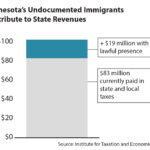
According to the Social Security Administration, undocumented workers contribute approximately $13 billion annually in payroll taxes, with around $7 billion going specifically to the Social Security Trust Fund. Over time, this creates a net surplus since most of these workers cannot claim benefits.
 How much taxes do undocumented workers pay
This unclaimed revenue helps delay the projected shortfall in Social Security funding. Economists and policy analysts often highlight this dynamic as an ironic yet significant factor in maintaining the program’s short-term sustainability.
| Contribution Type | Annual Amount (Estimated) | Notes |
|---|---|---|
| Social Security Taxes Paid | $7 billion | Based on SSA data; funds go into the trust fund but often remain unclaimed. |
| Total Payroll Taxes (Social Security + Medicare) | $13 billion | Includes FICA contributions; represents a net gain for federal trust funds. |
| Earnings Reported | Over $50 billion | Annual wages reported under ITINs or invalid SSNs; supports tax base. |
| Unclaimed Benefits | N/A | Millions in potential benefits go uncollected due to ineligibility. |
Undocumented workers in the United States often pay into Social Security through payroll taxes using either stolen, fake, or employer-assigned Individual Taxpayer Identification Numbers (ITINs), contributing billions of dollars annually to the system. Despite these contributions, they are generally ineligible to collect Social Security benefits due to their immigration status, creating what some experts refer to as a "fiscal imbalance."
The Social Security Administration (SSA) estimates that undocumented workers generate a significant annual surplus for the trust fund because they pay taxes but rarely claim retirement, disability, or survivor benefits. This paradox highlights the complex role undocumented labor plays in sustaining the U.S. social safety net, even as policy debates continue over immigration reform and worker protections.
The Role of ITINs in Tax Compliance for Undocumented Workers
Many undocumented workers file taxes using an Individual Taxpayer Identification Number (ITIN), issued by the IRS for tax processing purposes regardless of immigration status. Though ITINs do not grant legal work authorization or eligibility for Social Security benefits, their use enables workers to report income and pay federal income and payroll taxes.
This widespread compliance demonstrates a commitment to financial responsibility and helps maintain accurate tax records, supporting federal revenue collection. By using ITINs, undocumented individuals contribute to public coffers and enhance transparency in the tax system, even while remaining in the shadows of formal labor protections.
Undocumented workers who pay FICA taxes—covering Social Security and Medicare—are not entitled to receive retirement, disability, or survivor benefits under current law.
Because their earnings are recorded under invalid or mismatched Social Numbers, these wages do not count toward the 40 work credits typically required for benefit eligibility.
As a result, billions of dollars paid annually by undocumented workers flow into the Social Security Trust Fund with no future payout obligation, creating a net financial gain for the system. This dynamic underscores a key inequity: significant contributions made by a population legally excluded from accessing the benefits they help fund.
Estimates suggest that undocumented workers contribute $13 billion or more annually to Social Security, helping to bolster the program’s financial health during periods of strain. Since most never claim benefits, their payments result in a substantial surplus that supports the solvency of the trust fund.
Economists and policy analysts recognize these contributions as a critical, though often unacknowledged, factor in extending the life of Social Security. As the U.S. faces demographic challenges like an aging population and declining worker-to-beneficiary ratios, the financial input from undocumented labor plays an unsung but vital role in maintaining system stability.
Employer Practices and Withholding of Payroll Taxes
Even when employers hire undocumented workers, federal law requires them to withhold payroll taxes, including Social Security (6.2%) and Medicare (1.45%), just as they would for authorized employees. Many undocumented workers receive pay stubs showing these deductions, indicating formal integration into tax reporting systems.
While some employers may engage in off-the-books hiring to avoid compliance, a growing number adhere to tax obligations, often using E-Verify or accepting documentation that allows tax withholding. These practices mean that a large portion of undocumented labor participates in mandatory tax contributions, reinforcing their economic integration despite legal marginalization.
Debates Over Reform and Pathways to Benefit Eligibility
There is ongoing debate about whether undocumented workers who pay into Social Security should eventually gain access to benefits, particularly if they later earn legal status.
Proposals for immigration reform have included ideas such as retroactive credit for past tax contributions or creating a pathway to claim benefits after regularization.
Advocates argue that denying benefits disregards fiscal fairness and discourages tax compliance, while opponents raise concerns about eligibility criteria and system sustainability.
As policymakers consider comprehensive reform, the treatment of undocumented workers’ Social Security contributions remains a central and contentious issue shaping the future of both immigration and social welfare policy.
Frequently Asked Questions
Yes, many undocumented workers pay into Social Security using Individual Taxpayer Identification Numbers (ITINs) or falsified Social Security numbers. Their taxes are withheld just like those of documented workers. However, because they lack legal status, they usually cannot claim Social Security benefits later. The Social Security Administration records these payments, and the funds help support the overall system, even if the workers themselves are ineligible to receive benefits.
No, undocumented workers are not eligible to receive Social Security benefits, even if they have paid taxes into the system. To qualify for benefits, individuals must have legal work authorization and meet specific eligibility requirements, including having a valid Social Security number and sufficient work credits. While their contributions help fund the program, their undocumented status disqualifies them from collecting retirement, disability, or survivor benefits.
Undocumented workers contribute billions of dollars annually to Social Security through payroll taxes. The Social Security Administration estimates that incorrect Social Security numbers lead to a substantial earnings suspense file, with approximately $40–50 billion added each year. These contributions help fund current beneficiaries and strengthen the system’s finances, even though most undocumented workers will never be able to claim benefits themselves due to their immigration status.
Social Security taxes paid by undocumented workers go into the Social Security Trust Fund and support the overall system, helping to pay benefits to eligible retirees and disabled individuals. The taxes are recorded under mismatched or invalid Social Security numbers and held in the Earnings Suspense File. While these contributions boost system revenue, the workers generally cannot access benefits because they lack legal status and valid work authorization required by the program.
Leave a Reply