
Department of labor undocumented workers
Undocumented workers in the United States often face complex challenges related to labor rights, workplace safety, and access to legal protections. The U.S.
Department of Labor plays a critical role in enforcing labor standards that apply to all workers, regardless of immigration status. From minimum wage and overtime protections to safe working conditions, federal labor laws are designed to safeguard every individual employed within the country.
Despite these protections, many undocumented workers remain vulnerable to exploitation due to fear of deportation or lack of awareness. This article explores the Department of Labor’s responsibilities, enforcement efforts, and ongoing challenges in protecting undocumented workers across various industries.
 Documented and undocumented workers
Undocumented Workers and Their Rights Under the U.S. Department of Labor
The U.S. Department of Labor (DOL) enforces federal labor laws that protect the rights of workers regardless of immigration status. This means that undocumented workers are entitled to the same basic labor protections as authorized workers, including minimum wage, overtime pay, safe working conditions, and freedom from retaliation.
The DOL works alongside other agencies to ensure employers comply with these standards and does not typically inquire about immigration status during workplace investigations. Protecting vulnerable workers, including undocumented individuals, helps maintain fair labor practices across industries and discourages exploitative employment.
Wage and Hour Protections for Undocumented Workers
Undocumented workers are covered under the Fair Labor Standards Act (FLSA), enforced by the Wage and Hour Division (WHD) of the Department of Labor. This federal law mandates that all workers, regardless of immigration status, must receive at least the federal minimum wage and overtime pay for hours worked beyond 40 in a workweek.
Employers who fail to pay legally mandated wages can face back pay orders, civil money penalties, and debarment from federal contracts. The DOL emphasizes that fear of deportation should not prevent workers from reporting wage theft, as the agency generally does not report workers to immigration enforcement and prioritizes worker protections.
 Does amazon hire undocumented workers
Workplace Safety and Health Rights
The Occupational Safety and Health Administration (OSHA), part of the Department of Labor, ensures that all workers have the right to a safe and healthy workplace, including undocumented employees. Workers can request an OSHA inspection if they believe hazardous conditions exist, and employers are prohibited from retaliating against them for filing a complaint.
OSHA does not ask about immigration status during investigations and focuses solely on correcting unsafe practices. Employers must provide proper training, protective equipment, and comply with safety standards regardless of an employee’s documentation status, reinforcing that workplace safety is a universal right.
Protection from Retaliation and Discrimination
The Department of Labor’s Office of Federal Contract Compliance Programs (OFCCP) and WHD enforce anti-retaliation provisions that protect undocumented workers who exercise their labor rights. It is illegal for employers to fire, demote, reduce hours, or otherwise punish employees for filing wage claims, reporting safety violations, or participating in DOL investigations.
The law recognizes that fear of retaliation is a significant barrier, especially among immigrant and undocumented populations, and provides mechanisms for workers to file confidential complaints. These protections are critical in empowering vulnerable workers to assert their rights without fear of losing their livelihood.
 Does walmart hire undocumented workers
| Right | Applicable Law/Agency | Key Protection |
|---|---|---|
| Minimum Wage & Overtime | Fair Labor Standards Act (FLSA) / Wage and Hour Division | Entitles all workers to federal minimum wage and time-and-a-half for overtime, regardless of immigration status. |
| Safe Working Conditions | Occupational Safety and Health Act (OSHA) | Workers can report unsafe conditions without fear of retaliation; inspections are conducted without immigration inquiries. |
| Freedom from Retaliation | Multiple DOL statutes / OFCCP & WHD | Prohibits employers from punishing workers who file complaints or participate in DOL investigations. |
Understanding the Role of Undocumented Workers in U.S. Labor Standards Enforcement
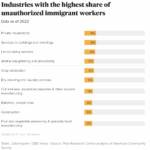
Undocumented workers represent a significant yet vulnerable segment of the U.S. labor force, often employed in industries such as agriculture, construction, food services, and domestic work where labor violations are more prevalent.
The Department of Labor (DOL) plays a critical role in protecting the rights of all workers regardless of immigration status, ensuring compliance with federal wage, hour, safety, and anti-retaliation regulations. Despite legal protections, many undocumented workers face substantial barriers in asserting their rights, including fear of deportation, lack of awareness, and employer intimidation, which complicates DOL enforcement efforts.
The agency's programs, such as wage and hour investigations and whistleblower protections, are designed to be accessible to all employees, emphasizing that workplace rights are not contingent upon immigration status. Expanding outreach, improving language access, and strengthening partnerships with community organizations are key strategies the DOL employs to support this population and uphold labor standards across sectors.
Legal Protections for Undocumented Workers Under DOL Regulations
The Department of Labor enforces several federal statutes that explicitly extend legal protections to all workers, including those without legal immigration status.
Laws such as the Fair Labor Standards Act (FLSA), the Migrant and Seasonal Agricultural Worker Protection Act (MSPA), and the Occupational Safety and Health Act (OSHA) do not require proof of citizenship for coverage. This means that undocumented workers are entitled to minimum wage, overtime pay, safe working conditions, and freedom from retaliation when reporting violations.
Courts have consistently affirmed that worker eligibility for these protections is tied to employment, not immigration status. However, confusion and misinformation often lead both employers and employees to mistakenly believe that federal labor laws do not apply, enabling exploitation and diminishing compliance.
Challenges Faced by Undocumented Laborers in Reporting Violations
One of the most significant obstacles for undocumented workers is the fear of reporting labor violations due to potential deportation risks or employer retaliation.
Many are employed in informal sectors or under exploitative conditions where threats of contacting Immigration and Customs Enforcement (ICE) are common tactics to suppress complaints. This climate of fear undermines the Department of Labor’s ability to detect wage theft, workplace injuries, and unsafe conditions.
Even when whistleblower protections exist, lack of access to legal counsel, language barriers, and distrust in government institutions deter reporting. As a result, violations remain underreported, creating a shadow economy in which unscrupulous employers gain unfair advantages over law-abiding businesses.
Department of Labor Initiatives Targeting Exploitation of Immigrant Labor
The Department of Labor has launched specific initiatives aimed at reducing the exploitation of immigrant workers, particularly in high-risk industries.
Programs like the "We Can Help" campaign and targeted enforcement in sectors such as meatpacking and landscaping focus on educating vulnerable populations about their workplace rights and increasing compliance among employers.
Through partnerships with worker centers and nonprofit organizations, the DOL provides multilingual resources and conducts worksite outreach without involving immigration enforcement.
Additionally, the Wage and Hour Division has prioritized investigations in industries with high concentrations of foreign-born workers, recovering millions in back wages for victims of wage theft, including many who are undocumented.
The Impact of Fear-Based Enforcement on Workplace Safety
When immigration enforcement policies prioritize deportation over worker protection, the result is a pervasive climate of fear-based compliance that compromises workplace safety.
Undocumented laborers are less likely to report hazardous conditions, participate in safety trainings, or seek medical treatment if injured, knowing that their presence could trigger immigration investigations. This not only endangers individual workers but increases the overall risk of accidents and systemic failures in industries reliant on immigrant labor.
The Department of Labor advocates for policies that decouple workplace safety inspections from immigration enforcement to promote transparency and trust, which are essential for effective regulation and the prevention of on-the-job injuries.
Employer Accountability and the Role of the DOL in Protecting All Workers
The Department of Labor holds employers accountable for violations regardless of their workers’ immigration status, reinforcing that labor law violations carry consequences even when exploitation targets undocumented individuals.
Through audits, complaints-driven investigations, and large-scale enforcement actions, the DOL has imposed penalties, required back pay, and debarred contractors who repeatedly violate labor laws. These actions send a strong message that exploiting vulnerable workers will not be tolerated.
Moreover, by publicizing enforcement outcomes and collaborating with other federal agencies, the DOL strengthens deterrence and supports a fair labor market where all employers compete on equal footing, and all workers can claim their basic labor rights.
Frequently Asked Questions
Are undocumented workers protected by the U.S. Department of Labor?
Yes, undocumented workers are protected by the U.S. Department of Labor. Federal labor laws, including minimum wage, overtime pay, workplace safety, and anti-retaliation protections, apply to all workers regardless of immigration status.
Employers must comply with these laws for every employee. The Department of Labor enforces these rights and encourages all workers, including undocumented ones, to report violations without fear of immigration consequences.
Can undocumented workers file a wage claim with the Department of Labor?
Yes, undocumented workers can file a wage claim with the Department of Labor. The Wage and Hour Division investigates complaints about unpaid wages, overtime, or minimum wage violations for all workers, regardless of immigration status.
Workers can submit claims confidentially, and their information is protected. Undocumented status does not disqualify someone from recovering unpaid wages owed by their employer under federal labor laws.
No, the Department of Labor does not report undocumented workers to immigration authorities. It prioritizes worker protection and enforcement of labor laws. The agency maintains strict confidentiality and does not share workers’ immigration information with agencies like ICE.
This policy ensures all workers can exercise their rights, report violations, and cooperate in investigations without fear of immigration enforcement actions based on their status.
What protections do undocumented workers have against workplace retaliation?
Undocumented workers are protected from retaliation under federal labor laws. If they report wage theft, unsafe conditions, or file a complaint with the Department of Labor, it is illegal for employers to retaliate by firing, demoting, or reducing hours. The Department of Labor investigates retaliation claims regardless of immigration status. Workers should report any retaliation quickly to preserve their rights and ensure fair treatment in the workplace.
Leave a Reply