
Covid resources for undocumented workers

Undocumented workers faced unique challenges during the COVID-19 pandemic, often excluded from federal relief programs and public health initiatives. Despite their essential roles in industries like agriculture, food service, and construction, many lacked access to testing, treatment, and financial support.
Fear of deportation further discouraged them from seeking help, deepening existing inequities. However, a network of community organizations, nonprofits, and local governments stepped in to provide critical resources tailored to this vulnerable population.
These included emergency cash assistance, food distribution, legal aid, and culturally sensitive health information. This article explores the available COVID-19 resources for undocumented workers, highlighting efforts to ensure no one is left behind during public health crises, regardless of immigration status.
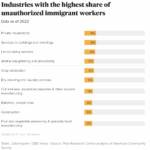 Documented and undocumented workers
Access to COVID Resources for Undocumented Workers in the United States
Undocumented workers in the United States faced significant challenges during the COVID-19 pandemic, particularly in accessing critical healthcare and financial support. Due to their immigration status, many were excluded from federal relief programs such as the CARES Act, which required Social Security numbers for eligibility.
Despite these barriers, numerous nonprofit organizations, community clinics, and local governments stepped in to provide essential services. These included free or low-cost testing, vaccinations, emergency housing, food assistance, and medical care regardless of immigration status.
The willingness of certain states and cities to fund inclusive public health initiatives underscored the recognition that public health depends on protecting all individuals, including undocumented communities. Ensuring access to these services was not only a matter of equity but also a necessity for effective pandemic control across the population.
Healthcare Access During the Pandemic
During the pandemic, undocumented workers encountered significant obstacles when seeking healthcare, often avoiding treatment out of fear of immigration enforcement or due to financial constraints.
 Does amazon hire undocumented workers
However, many Federally Qualified Health Centers (FQHCs) and community clinics continued to provide services regardless of a patient’s immigration status, offering free testing, vaccinations, and treatment for COVID-19. Some states, including California and New York, established special funds to ensure that undocumented individuals could receive care without fear of deportation or incurring medical debt. The U.S.
Department of Health and Human Services also clarified that immigration status should not be a barrier to receiving pandemic-related medical services, reinforcing health equity in public health messaging and delivery.
Financial and Food Assistance Programs
Although undocumented workers were excluded from federal stimulus payments and unemployment benefits under the CARES Act, several states and localities created alternative relief programs.
California, for instance, launched the Disaster Relief Assistance for Immigrants (DRAI) program, providing one-time payments to undocumented individuals affected by the pandemic. Other states and cities followed with emergency rental assistance, utility relief, and food distribution initiatives coordinated through nonprofits and mutual aid networks.
 Does walmart hire undocumented workers
Community-based organizations played a crucial role in bridging gaps by distributing groceries, hygiene kits, and financial aid, often on a donation-funded basis. Access to food banks and meal programs was generally open to all, regardless of documentation status, helping alleviate food insecurity during lockdowns and economic downturns.
Legal Protections and Advocacy Initiatives
While undocumented workers lacked access to many government-sponsored benefits, various legal protections and advocacy efforts emerged to support them during the pandemic.
Advocacy groups worked tirelessly to ensure that public health guidelines did not exacerbate fear among immigrant communities, urging authorities to declare healthcare sites as sensitive locations where immigration enforcement would not occur. Additionally, worker rights organizations promoted awareness of labor protections, helping undocumented workers report unsafe working conditions without retaliation.
Legal aid clinics offered guidance on workers’ rights related to sick leave, workplace safety, and vaccine mandates, even for those employed in informal or cash-based sectors. These efforts helped empower individuals to seek help and assert their rights in essential jobs critical to the pandemic response.
| Resource Type | Available to Undocumented Workers? | Key Providers/Programs |
|---|---|---|
| COVID-19 Testing and Vaccines | Yes, in most public and community health settings | FQHCs, local health departments, non-profits (e.g., UnidosUS) |
| Stimulus Payments / Unemployment | No (federally), Yes in some state/local programs | California DRAI, NYC Emergency Relief, state-funded rental assistance |
| Food Assistance (SNAP, food banks) | Limited SNAP access; food banks generally open to all | Local food banks, mutual aid groups, school meal programs |
| Emergency Medical Care (ER) | Yes, under EMTALA federal law | Hospitals with emergency departments |
| Legal Aid and Worker Protections | Yes, through nonprofit and advocacy organizations | Immigrant legal clinics, worker centers, ACLU, NDLON |
Access to Healthcare and Support Services During the Pandemic
Undocumented workers faced significant challenges in accessing healthcare, testing, and vaccination services during the COVID-19 pandemic, despite being essential to critical industries such as agriculture, food processing, and cleaning services.
Many feared deportation or legal consequences if they sought medical help, even though federal guidelines clarified that immigration status should not bar access to pandemic-related care.
Community health centers, nonprofit organizations, and some state and local governments stepped in to provide confidential services, mobile clinics, and language-accessible information to bridge the gap. These efforts helped ensure that undocumented individuals received vital medical support, mental health resources, and accurate public health messaging without fear of immigration enforcement.
Eligibility for COVID-19 Vaccines Regardless of Immigration Status
All individuals in the United States, including undocumented immigrants, were eligible to receive the COVID-19 vaccine at no cost, regardless of immigration or documentation status.
Federal health authorities emphasized that vaccination sites would not share patient information with immigration enforcement agencies, helping to build trust within vulnerable communities.
Public health campaigns in multiple languages and partnerships with community-based organizations played a key role in increasing vaccine uptake among undocumented populations who were often employed in high-risk essential jobs.
Community Health Centers Offering Sliding-Scale and Free Care
Federally Qualified Health Centers (FQHCs) provided free or low-cost medical services, including COVID-19 testing, treatment, and vaccinations, to undocumented workers without requiring proof of insurance or legal status.
These centers operated on a sliding fee scale based on income and ensured that language barriers did not limit access through interpreter services and multilingual staff.
By prioritizing patient confidentiality and inclusive care, FQHCs became safe spaces for undocumented individuals to seek timely medical attention during public health emergencies.
State and Local Government Programs for Pandemic Relief
Several states and cities, including California, New York, and Oregon, established emergency relief funds specifically targeting undocumented workers excluded from federal stimulus programs like the CARES Act and unemployment benefits.
These programs provided direct cash assistance to help cover rent, food, and medical expenses during pandemic-related job losses. Although funding was often limited and demand high, these initiatives acknowledged the critical role undocumented laborers played in sustaining essential services during national crises.
Nonprofit and Faith-Based Organizations as Key Support Networks
Nonprofit and faith-based organizations emerged as vital lifelines for undocumented workers, offering food distribution, rental assistance, legal counseling, and public health outreach in culturally sensitive ways. These groups built trust within immigrant communities by maintaining strict privacy policies and avoiding collaboration with immigration authorities.
Their grassroots efforts were instrumental in disseminating accurate information about vaccination sites, testing availability, and safety protocols in languages such as Spanish, Mandarin, and indigenous dialects.
Workplace Protections and Safety Resources for Undocumented Laborers
Although undocumented workers are not protected by many federal employment laws, some labor rights organizations advocated for their access to safe working conditions, personal protective equipment (PPE), and hazard pay during the pandemic.
Outreach programs educated workers about their rights to a safe workplace under Occupational Safety and Health Administration (OSHA) guidelines, regardless of status. Bilingual hotlines and worker centers enabled undocumented individuals to report unsafe conditions anonymously, helping reduce workplace transmission and protect public health.
Frequently Asked Questions
Are undocumented workers eligible for COVID-19 testing and treatment in the U.S.?
Yes, undocumented workers can access COVID-19 testing and treatment regardless of immigration status. These services are available at community health centers, public hospitals, and clinics nationwide.
The U.S. government has clarified that immigration enforcement is not permitted at medical facilities. Undocumented individuals are encouraged to seek care when needed, as health providers prioritize patient well-being over immigration status during public health emergencies.
Can undocumented immigrants receive the COVID-19 vaccine in the United States?
Yes, undocumented immigrants are eligible to receive the COVID-19 vaccine at no cost in the United States. Vaccination sites do not require proof of citizenship or immigration documents. The vaccine is widely available at pharmacies, health centers, and public clinics.
Receiving the vaccine does not affect immigration status under public charge rules, and personal information is protected to ensure privacy and encourage broad community protection.
Are there financial assistance programs for undocumented workers affected by COVID-19?
Most federal relief programs like stimulus checks and unemployment benefits are not available to undocumented workers. However, some states and nonprofit organizations offer emergency aid, food assistance, rental help, and healthcare support regardless of immigration status.
Examples include California’s Disaster Relief Assistance and local mutual aid groups. Undocumented individuals should contact community-based organizations for guidance on available resources in their area.
Do undocumented workers risk deportation when accessing COVID-19 resources?
No, accessing COVID-19 testing, treatment, or vaccination does not put undocumented workers at risk of deportation. Medical facilities are considered sensitive locations where immigration enforcement is restricted.
Information collected during healthcare visits is protected by privacy laws and is not shared with immigration authorities. Public health officials emphasize that everyone, regardless of status, should feel safe seeking medical care during the pandemic.
Leave a Reply