
Consequences of hiring undocumented workers

Hiring undocumented workers carries significant legal, economic, and social consequences for employers and communities alike. Companies that employ undocumented individuals risk severe penalties, including fines, criminal charges, and reputational damage.
Beyond legal ramifications, such practices can undermine fair labor standards, depress wages, and exploit vulnerable workers. Undocumented employees often lack job protections, making them susceptible to unsafe working conditions and wage theft.
Moreover, the broader economy may suffer due to lost tax revenue and increased strain on public resources. Addressing this issue requires balanced immigration policies and stronger enforcement mechanisms that protect both workers and the integrity of the labor market.
 Fines for hiring undocumented workers
Legal, Financial, and Reputational Risks of Hiring Undocumented Workers
Employing undocumented workers exposes businesses to a wide range of serious consequences that can affect their operations, legal standing, and public image. From federal investigations to civil penalties, the hiring of individuals not authorized to work in the United States carries significant liabilities under immigration and labor laws.
Employers are legally responsible for verifying the identity and employment eligibility of all hires through the Form I-9 process, and failure to comply can trigger audits, fines, or even criminal charges. Beyond the legal implications, companies may face reputational damage when publicized for hiring unauthorized workers, leading to consumer distrust, loss of contracts, or difficulties attracting talent.
Additionally, such practices can disrupt workforce stability, contribute to unfair labor competition, and lead to violations of wage and hour laws due to the potential exploitation of undocumented employees.
Legal Penalties and Government Enforcement
Businesses found hiring undocumented workers may face severe legal consequences enforced by federal agencies such as U.S. Immigration and Customs Enforcement (ICE) and the Department of Labor.
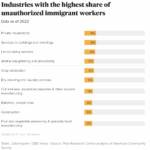 Documented and undocumented workers
Under the Immigration and Nationality Act (INA), employers who knowingly hire or continue to employ unauthorized workers are subject to civil fines that range from $573 to $21,920 per violation, depending on the offense's severity and recurrence. Repeat offenders may also face criminal charges, including imprisonment of up to six months for document fraud or conspiracy to employ undocumented labor.
ICE conducts I-9 audits to ensure compliance, and failure to maintain accurate records—even without intentionally hiring unauthorized workers—can result in substantial penalties. Moreover, employers may be barred from government contracts or participation in public programs if found in violation of immigration employment laws.
Financial Burdens and Operational Disruptions
Beyond fines, hiring undocumented workers can impose substantial financial burdens and create serious operational challenges for businesses. If an audit reveals non-compliance, companies may be forced to pay back wages, undergo costly legal defense, or fund administrative reforms to their hiring processes.
In cases where undocumented employees are detained or deported, employers often face sudden workforce shortages, particularly in labor-intensive industries like construction, agriculture, or hospitality, leading to project delays and increased recruitment costs.
 Does amazon hire undocumented workers
Furthermore, businesses may lose eligibility for tax incentives or federal grants, compounding their financial strain. The unpredictability associated with workforce instability increases operational risk and can undermine long-term planning and growth strategies.
Reputational Damage and Loss of Public Trust
A company’s reputation can suffer irreparable harm if it becomes known for hiring undocumented workers, especially in industries that rely heavily on public trust or government partnerships.
Negative media coverage, community backlash, or social media scrutiny can damage a brand’s image and erode customer loyalty. Organizations may lose key business relationships, as partners and clients often require compliance with ethical labor standards.
Additionally, stakeholders and investors are increasingly prioritizing corporate social responsibility, and being associated with undocumented labor practices may result in divestment or exclusion from socially responsible funds. In competitive markets, such reputational damage can translate into a measurable decline in sales and market share.
| Consequence Type | Specific Impact | Regulatory Body or Factor |
|---|---|---|
| Civil Fines | $573 to $4,385 per unauthorized worker (first offense) | U.S. Department of Homeland Security |
| Criminal Penalties | Fines up to $3,000 per worker and up to 6 months imprisonment for repeat offenses | U.S. Department of Justice |
| Workforce Disruption | Unexpected loss of employees due to deportation or investigation | Operational Risk |
| Reputational Risk | Loss of customer trust and negative media coverage | Public Perception, Social Media |
| Loss of Contracts | Ineligibility for government or corporate partnerships | Federal Acquisition Regulation (FAR) |
Frequently Asked Questions
What are the legal consequences for employers who hire undocumented workers?
Employers who hire undocumented workers may face severe legal penalties, including civil fines, criminal charges, and business license revocation. Fines can range from hundreds to thousands of dollars per unauthorized employee.
Repeated violations may result in imprisonment. Government agencies like ICE and the Department of Labor conduct audits and worksite raids to enforce immigration laws, putting non-compliant businesses at significant legal and financial risk.
How can hiring undocumented workers affect a company’s reputation?
Hiring undocumented workers can damage a company’s public image and credibility. Negative media coverage, consumer backlash, and loss of customer trust often follow exposure.
Partners, suppliers, and investors may sever ties due to ethical or compliance concerns. A tarnished reputation can reduce competitiveness and long-term profitability, making it harder to attract talent and retain loyal customers willing to support responsible business practices.
Can employers be held liable for wage violations involving undocumented workers?
Yes, employers can be held legally liable for wage violations regardless of a worker’s immigration status. Undocumented workers are entitled to minimum wage, overtime pay, and safe working conditions under U.S. labor laws.
Failure to comply can lead to lawsuits, back-pay awards, and penalties. Court rulings consistently affirm that immigration status does not disqualify workers from these protections, exposing employers to financial and legal risks.
What steps can businesses take to avoid hiring undocumented workers?
Businesses should verify employment eligibility using Form I-9 and, where available, E-Verify. Regular training for HR staff on compliance procedures is essential. Conducting internal audits helps identify and correct errors early.
Employers must ensure all documentation is genuine and complete without discriminating based on national origin. Establishing clear hiring policies reduces the risk of unintentionally employing unauthorized workers and strengthens legal compliance.
Leave a Reply