
How do undocumented workers help the economy

Undocumented workers play a significant role in the U.S. economy, often filling essential jobs in agriculture, construction, hospitality, and domestic services.
Despite lacking legal status, they contribute billions in taxes, including Social Security and Medicare, through Individual Taxpayer Identification Numbers. Their labor supports key industries, especially in regions facing worker shortages.
By taking on demanding, low-wage jobs that others often avoid, they help keep consumer prices lower and businesses operational. Moreover, their spending power fuels local economies, supporting businesses and creating indirect employment. While their status remains complex, their economic impact is undeniable and deeply woven into the nation’s economic fabric.
 How much do undocumented workers add to the economy
How Undocumented Workers Contribute to the U.S. Economy
Undocumented workers play a significant and often underappreciated role in strengthening the U.S. economy. Despite lacking legal authorization to work, millions of undocumented immigrants fill critical labor shortages across various industries, particularly in sectors such as agriculture, construction, hospitality, and domestic services.
Their labor supports key supply chains and helps maintain affordable prices for goods and services. Moreover, undocumented workers contribute billions of dollars annually in federal, state, and local taxes—including income, sales, and property taxes—through identification numbers such as Individual Taxpayer Identification Numbers (ITINs).
They also stimulate consumer demand by spending their earnings on housing, food, transportation, and other essentials. Their presence bolsters the workforce, supports business growth, and sustains communities, especially in rural and urban areas facing labor shortages or demographic decline.
Strengthening Key Economic Sectors
Undocumented workers are essential to the functioning of labor-intensive industries that many native-born workers are less likely to enter. In agriculture, for example, they harvest crops, staff processing facilities, and maintain supply chains critical to national food security.
 How do undocumented workers pay income tax
Similarly, in construction, they perform physically demanding tasks such as framing, roofing, and masonry that are vital to infrastructure development and housing. The hospitality and service sectors also depend heavily on undocumented labor for roles in restaurants, cleaning services, and landscaping.
These contributions enable businesses to operate efficiently and competitively, preventing labor bottlenecks that could disrupt economic activity. In many cases, the availability of affordable labor, provided in part by undocumented workers, keeps operating costs down and allows businesses to scale and innovate.
Contrary to common misconceptions, undocumented workers contribute substantially to government revenues. The IRS estimates that approximately 6 million unauthorized workers pay into the U.S. tax system each year using ITINs, contributing an estimated $12 billion annually to Social Security alone, according to the Social Security Administration.
These workers pay income taxes, sales taxes, and property taxes (either directly or through rent), but due to their immigration status, most are ineligible to receive benefits such as Social Security payouts, welfare, or Medicare.
 How do undocumented workers pay into taxes
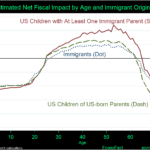
This creates a net fiscal positive for certain government programs, particularly Social Security, which gains solvency from payments it will never have to repay to these individuals. Their tax contributions support public services that benefit society broadly, including education, transportation, and emergency services.
Boosting Entrepreneurship and Consumer Demand
Beyond their roles as employees, many undocumented immigrants become entrepreneurs, starting businesses that create jobs and stimulate local economies.
Although they face legal and financial barriers, studies show that unauthorized immigrants exhibit high rates of business formation in sectors like food services, construction, and retail. These small businesses generate income, employ both documented and undocumented workers, and increase economic activity in their communities.
Additionally, the consumer spending of undocumented workers—estimated in the hundreds of billions of dollars annually—supports local businesses and fuels demand for goods and services. Their purchasing power, derived from wages earned in the labor market, contributes to economic growth and helps sustain regional economies, especially in areas with high immigrant populations.
| Contribution Area | Key Fact or Estimate | Impact on the Economy |
|---|---|---|
| Tax Payments | Over $12 billion annually to Social Security (SSA) | Strengthens Social Security trust fund without equal benefit drawdown |
| Labor Force Participation | About 4.7 million undocumented workers in the labor force (Pew Research) | Fills critical gaps in agriculture, construction, and service sectors |
| Consumer Spending | Estimated $200+ billion annually in spending | Supports small businesses, housing, and retail industries |
The Economic Contributions of Undocumented Workers: An Essential yet Overlooked Force
Undocumented workers play a critical role in sustaining key sectors of the U.S. economy, often taking on labor-intensive jobs that many native-born workers are unwilling or unavailable to perform.
These individuals contribute billions annually through payroll taxes, sales taxes, and other expenditures, despite lacking legal status or access to most public benefits. Their presence supports economic growth by filling labor shortages, particularly in agriculture, construction, hospitality, and food services.
In many communities, undocumented workers help maintain affordable prices for goods and services while enabling businesses to scale operations and remain competitive. Moreover, their consumption patterns stimulate local economies, creating ripple effects that benefit employers, co-workers, and consumers alike.
Boosting Labor Supply in Essential Industries
Undocumented workers are integral to industries facing chronic labor shortages, such as agriculture, landscaping, and meat processing.
In these sectors, wages and working conditions often deter domestic workers, making undocumented labor a necessary component of daily operations. For example, nearly 70% of farmworkers in the U.S. are undocumented, ensuring the continuity of food production.
Without their participation, supply chains would face major disruptions, leading to higher food prices and reduced output. Their willingness to work in physically demanding roles enables these foundational industries to function efficiently and meet national demand.
Contributing Billions in Taxes Annually
Despite their legal status, undocumented workers contribute significantly to government revenues through various forms of taxation. Many pay federal, state, and local taxes, including income, sales, and property taxes (directly or through rent).
The IRS processes hundreds of thousands of Individual Tax Identification Number (ITIN) filings each year, generating billions in revenue for Social Security and Medicare—programs from which most undocumented immigrants are barred from receiving benefits. This results in a net positive fiscal impact, strengthening public services and helping to fund essential infrastructure.
Supporting Small Businesses and Entrepreneurship
While many undocumented workers are employed in low-wage sectors, a growing number are also entrepreneurs who launch small businesses that generate jobs and stimulate neighborhood economies.
These ventures—ranging from food trucks and housekeeping services to construction and landscaping companies—often operate in underserved communities, creating local employment and supporting economic circulation.
Even without legal authorization, these individuals reinvest earnings into their communities, increasing consumer demand and fostering business innovation across urban and rural areas.
Offsetting Demographic Challenges and Aging Workforce
The U.S. faces significant demographic pressures, including an aging population and declining birth rates, which threaten labor force growth and long-term economic stability. Undocumented workers, often younger and of working age, help offset this imbalance by expanding the productive workforce.
Their participation delays dependency ratio increases, sustains consumer markets, and supports industries reliant on a steady influx of labor. In regions with shrinking populations, undocumented immigrants often revitalize depressed local economies, reversing stagnation and contributing to community resilience.
Enhancing Wage Flexibility and Productivity
By accepting lower wages in high-demand but low-margin industries, undocumented workers increase wage flexibility, allowing businesses to remain viable and competitive. This dynamic helps keep prices low for essential services like childcare, food, and home maintenance.
Rather than displacing native-born workers, they often occupy different segments of the labor market, enabling more efficient resource allocation. Additionally, their labor frees up higher-skilled workers to focus on complex tasks, ultimately improving overall productivity and economic output.
Frequently Asked Questions
How do undocumented workers contribute to the U.S. economy?
Undocumented workers contribute significantly by filling essential jobs in agriculture, construction, and service industries. They often take roles that are hard to fill, helping businesses operate smoothly. They pay billions in sales and property taxes annually and contribute over $13 billion to Social Security despite being ineligible for benefits. Their labor helps keep consumer prices lower and supports economic growth across multiple sectors.
Do undocumented workers pay taxes in the United States?
Yes, undocumented workers pay various taxes. They contribute through sales taxes when purchasing goods and services and property taxes—often indirectly through rent. Many also pay income and payroll taxes using Individual Taxpayer Identification Numbers (ITINs). The IRS estimates hundreds of thousands file tax returns annually. Notably, they pay into Social Security and Medicare funds but cannot claim most benefits, creating a net positive for the system.
Do undocumented workers take jobs from U.S. citizens?
Studies show undocumented workers typically fill labor gaps in low-wage or demanding sectors many U.S. workers avoid, such as seasonal farm work or hazardous construction jobs. They often complement rather than compete with native-born workers by taking different roles within the same industries. Their employment can actually create jobs by supporting larger businesses and helping lower costs for consumers and companies across supply chains.
How does immigration status affect economic productivity?
Even without legal status, undocumented workers boost productivity by providing a flexible, hardworking labor force. Their contributions increase output in key industries and help maintain affordable prices. When allowed to work legally, their productivity rises further due to better job matches and wages. Overall, inclusive policies that regularize status can maximize their economic impact, leading to higher innovation, spending, and tax contributions.
Leave a Reply