
Who to report unsafe living conditions to

Unsafe living conditions can pose serious risks to health and safety, making it essential to know who to contact for help. From structural hazards to mold, pest infestations, or lack of heat and water, tenants and community members have resources available to address these concerns.
Local housing authorities, building inspectors, and health departments are often responsible for investigating complaints and enforcing housing codes. In emergencies, such as gas leaks or severe structural damage, immediate action through emergency services is critical.
Understanding the proper channels ensures timely intervention and protects the well-being of residents. Knowing your rights and reporting procedures can make a significant difference in maintaining safe and habitable living environments.
 Report unsafe living conditions california
Who to Report Unsafe Living Conditions To: A Guide for Tenants and Concerned Individuals
When facing unsafe living conditions, it's essential to know the appropriate authorities or agencies to contact depending on the nature and severity of the issue.
Whether it's structural hazards, lack of heat or water, mold infestations, or pest problems, reporting to the right entity ensures that problems are addressed promptly and legally. Tenants, neighbors, or even concerned family members can take action by reaching out to local housing departments, building inspectors, or health agencies.
In many cases, documentation—such as photographs, written complaints, and communication logs—can strengthen the case and prompt faster intervention. Understanding jurisdictional responsibilities and knowing how to escalate concerns is key to safeguarding health, safety, and tenant rights.
Local Housing or Building Code Enforcement Agencies
The first and most common point of contact for reporting unsafe living conditions is your local housing or building code enforcement agency. These municipal departments are responsible for ensuring that residential properties meet health and safety standards established by city or county ordinances.
 How to report unsafe living conditions in california
Tenants can file a formal complaint detailing issues such as broken stairs, exposed wiring, missing windows, or lack of essential utilities. Inspectors from the agency will typically visit the property to assess the reported hazards and may issue violation notices or orders to repair.
In some jurisdictions, landlords can face fines or legal action if they fail to correct the issues within a specified timeframe. This agency is often the most effective avenue for resolving habitability concerns within rental units.
Public Health Departments
When unsafe living conditions pose a direct threat to public health, such as mold exposure, sewage backups, rodent infestations, or lack of clean water, contacting your local or state public health department is highly recommended.
These departments are authorized to investigate environmental health risks and can order immediate remediation if conditions are deemed hazardous.
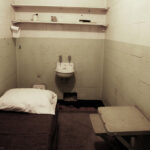 How do i report unsafe living conditions in virginia
For example, persistent black mold linked to respiratory issues or standing sewage in basements can prompt a health inspector to declare a dwelling uninhabitable until problems are resolved.
Public health officials may also work in conjunction with housing authorities to ensure comprehensive oversight and enforcement. Reporting to this agency is critical when health symptoms among residents correlate with environmental conditions in the home.
State or Federal Agencies and Tenant Rights Organizations
If local authorities do not respond adequately, or if the situation involves widespread neglect, discrimination, or retaliation, tenants may escalate their concerns to state-level departments or federal agencies such as the U.S. Department of Housing and Urban Development (HUD).
HUD oversees compliance with the Fair Housing Act and investigates living condition violations in federally subsidized housing. Additionally, many states have a Division of Tenant Affairs or Landlord-Tenant Board that offers mediation, legal resources, and formal complaint procedures.
 How to report unsafe living conditions in michigan
Nonprofit tenant rights organizations also provide legal advice and advocacy to help residents navigate the reporting process and protect themselves from unlawful eviction. These entities are especially useful when dealing with uncooperative landlords or systemic housing code violations.
| Issue Type | Agency to Contact | What They Can Do |
|---|---|---|
| Structural damage, missing locks, unsafe stairs | Local Building Code Enforcement | Inspect property and issue violation notices or repair orders to landlords. |
| Mold, pests, sewage, contaminated water | Local Public Health Department | Determine if conditions pose health risks and order immediate cleanup or evacuation if necessary. |
| Discrimination, retaliation, subsidized housing issues | HUD or State Tenant Protection Office | Investigate violations, provide legal resources, and enforce federal or state tenant rights. |
Frequently Asked Questions
Who should I contact to report unsafe living conditions?
Contact your local housing authority or building department to report unsafe living conditions. In emergencies, such as gas leaks or severe structural damage, call 911 or your local emergency number. Tenants can also notify their landlord first, but if no action is taken, government agencies can enforce safety standards. Many cities have a code enforcement office that investigates complaints about housing violations.
Can I report unsafe housing anonymously?
Yes, many cities allow anonymous reporting of unsafe living conditions through local housing or code enforcement agencies. While providing your name can help officials follow up, your identity is often protected, especially if you're a tenant concerned about retaliation. Check your local municipality’s website or call their housing hotline to confirm if anonymous reporting is available and what information is required to file a complaint.
What qualifies as an unsafe living condition?
Unsafe living conditions include major issues like lack of heat, water, or electricity, structural hazards, mold, pest infestations, exposed wiring, or unsafe sanitation. These problems can pose serious health or safety risks. Local housing codes define specific standards, and violations of these codes typically qualify as unsafe. If your home lacks basic habitability features or has dangerous conditions, it likely meets the criteria.
 Can you report a landlord for unsafe living conditions
What happens after I report unsafe living conditions?
After you report unsafe conditions, the local housing or code enforcement agency will typically inspect the property. If violations are found, they’ll issue a notice requiring the landlord to make repairs by a certain date. Follow-up inspections ensure compliance. If the landlord fails to act, penalties or legal action may follow. The process aims to resolve issues while protecting tenant rights and ensuring safe housing.
Leave a Reply