
Wait staff minimum wage by state

The minimum wage for wait staff varies significantly across the United States, reflecting a complex patchwork of state and federal regulations.
While the federal tipped minimum wage remains at $2.13 per hour, many states have established higher base rates or eliminated the tipped credit system altogether. Some states, like California and Washington, require employers to pay the full state minimum wage before tips, while others adhere to the federal standard.
These differences impact earning potential, job stability, and workplace fairness for millions of service workers. Understanding wait staff minimum wage by state is essential for both employees and employers navigating the hospitality industry.
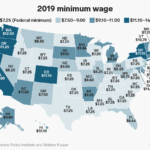 Minimum wage usa by state
Wait Staff Minimum Wage by State: Understanding Tipped Worker Pay Across the U.S.
In the United States, the minimum wage for wait staff varies significantly from state to state due to differences in federal, state, and local labor laws.
While the federal government sets a baseline tipped minimum wage of $2.13 per hour under the Fair Labor Standards Act (FLSA), many states establish their own higher rates, with some requiring employers to pay the full minimum wage before tips.
The concept of a tip credit allows employers to pay less than the standard minimum wage, as long as tips bring the employee's total earnings up to at least the regular minimum wage. However, if tips combined with the base wage do not meet this threshold, the employer must make up the difference.
States differ widely in their treatment of tipped workers: for example, Washington and California require that tipped employees be paid the full state minimum wage with no tip credit allowed, whereas states like Texas and Florida permit a lower direct wage, relying on tips to supplement earnings. This patchwork of regulations makes it essential for both workers and employers to understand the specific rules in their state to ensure compliance and fair compensation.
 Minimum wage in the usa by state
How Tip Credits Work in Different States
The use of tip credits is one of the most critical factors shaping how much wait staff are paid directly by employers. A tip credit allows employers to count a portion of the tips an employee earns toward meeting the minimum wage obligation.
For example, if a state’s minimum wage is $12 per hour and the employer pays a direct wage of $7, the $5 difference can be covered by tips, assuming the employee earns at least $5 in tips per hour. However, not all states allow tip credits—seven states, including Alaska, California, Minnesota, Montana, Nevada, Oregon, and Washington, prohibit them entirely, meaning tipped workers must be paid the full minimum wage before tips.
In other states, the allowed tip credit varies, with some limiting how much of the minimum wage can be offset by tips. These differences create vastly different earning structures for wait staff working in neighboring states or even cities with different ordinances.
States with the Highest and Lowest Tipped Minimum Wages
There is a wide disparity in the tipped minimum wages across U.S. states. As of 2024, states like Washington ($15.74) and California ($15.50) lead in direct wages paid to wait staff because they do not allow a tip credit, ensuring that servers earn the full state minimum wage from their employer.
 minimum wage by each state
In contrast, states such as Georgia and Wyoming technically have lower state minimum wages, but employers can still pay tipped workers $2.13 per hour if tips make up the difference to meet federal standards. However, most states have set tipped wages above the federal floor.
For example, New York has a tipped minimum wage of $10.90 to $11.85 depending on the region, and Massachusetts sets it at $7.50. These variations mean that wait staff in high-cost urban areas may still struggle financially if their base wage is low and their tips fluctuate due to seasonality or economic conditions.
Recent Legislative Changes Impacting Wait Staff Pay
In recent years, there has been growing momentum to eliminate or reduce the reliance on tip credits, driven by advocacy for wage equity and worker protections. Several states and cities have passed laws to gradually increase tipped minimum wages, with some aiming to eliminate the subminimum wage for tipped workers altogether.
For example, Oregon is phasing out its lower tipped wage through regional adjustments that will eventually align it with the standard minimum wage. Similarly, Maryland and Colorado have enacted plans to close the gap between tipped and standard minimum wages over several years.
 Minimum wage by state in usa
Cities like Seattle and San Francisco already require full minimum wage payments to tipped employees, reflecting local efforts to reduce income volatility. These changes are reshaping the landscape for restaurants and service industry workers, often sparking debate over the balance between fair pay, business sustainability, and customer pricing.
| State | Standard Minimum Wage (2024) | Tipped Minimum Wage (2024) | Tip Credit Allowed? |
|---|---|---|---|
| California | $15.50 | $15.50 | No |
| Washington | $15.74 | $15.74 | No |
| New York | $15.00 (up to $16.00 by region) | $10.90–$11.85 | Yes |
| Texas | $7.25 | $2.13 | Yes |
| Oregon | $13.50–$15.00 (by region) | $12.00–$13.50 (phasing out) | Yes, but being phased out |
| Florida | $12.00 | $8.98 | Yes |
| Montana | $9.95 | $9.95 | No |
Frequently Asked Questions
What is the federal minimum wage for wait staff?
The federal minimum wage for wait staff is $2.13 per hour in direct wages, provided that tips bring total earnings to at least the standard federal minimum wage of $7.25 per hour. If tips combined with the direct wage do not meet this threshold, employers are required to make up the difference. This rule applies only in states without higher minimum wage laws.
How do state tip credit laws affect wait staff wages?
State tip credit laws determine how much employers can count tips toward meeting minimum wage requirements. Some states allow a tip credit, letting employers pay less than the standard minimum wage as long as tips make up the difference. Other states have no tip credit, requiring employers to pay the full state minimum wage before tips. These laws vary significantly by state.
Which states require the full minimum wage plus tips for wait staff?
Seven states—Alaska, California, Minnesota, Montana, Nevada, Oregon, and Washington—require employers to pay wait staff the full state minimum wage before tips. In these states, tips are considered extra income, and employers cannot use a tip credit to offset wages. This guarantees higher base pay compared to states allowing tip credits, increasing financial stability for workers.
Can wait staff earn less than minimum wage if tips are low?
No, wait staff cannot legally earn less than the minimum wage even if tips are low. Employers must ensure that wages plus tips equal at least the applicable minimum wage. If an employee’s tips plus the employer’s direct wage fall short, the employer is required to pay the difference. This protects workers from earning below minimum wage.
Leave a Reply