
How long do you have to claim unpaid wages

Unpaid wages can significantly impact an employee’s financial stability, making it crucial to understand the time limits for filing a claim. In the United States, the timeframe for claiming unpaid wages depends on federal and state laws, as well as the type of claim.
The Fair Labor Standards Act (FLSA) generally allows employees two years to sue for unpaid wages, or three years if the violation is willful. However, state laws may offer longer or shorter statutes of limitations. Additionally, specific rules apply to minimum wage, overtime, and final paycheck claims. Acting quickly is essential to protect legal rights.
How Long Do You Have to Claim Unpaid Wages?
The time frame in which you can file a claim for unpaid wages varies depending on the jurisdiction and the type of claim being made. In the United States, for example, the Fair Labor Standards Act (FLSA) typically allows employees to recover back wages for up to two years from the date of the claim.
 Texas claim for unpaid wages
However, if the violation is determined to be willful—meaning the employer knew or recklessly disregarded the fact that their pay practices violated the law—the statute of limitations extends to three years. It's crucial to act quickly because failing to file within the applicable time period can result in the permanent loss of your right to recover unpaid wages.
Some states have their own wage and hour laws with different deadlines, sometimes as long as four or six years, so it’s essential to consult the laws specific to your location. Additionally, federal and state agencies such as the U.S. Department of Labor (DOL) or local labor boards enforce these time limits strictly, and delays can undermine even legitimate claims.
Key Factors That Influence the Deadline to Claim Unpaid Wages
Several factors determine how long you have to claim unpaid wages, making it important to understand both federal and state regulations. The most significant factor is whether the wage violation is willful: under federal law, willful violations allow for a three-year recovery period, compared to two years for non-willful ones.
Another key factor is the employee’s status (e.g., hourly vs. salaried), as different rules may apply. Also, certain types of unpaid compensation—such as overtime, minimum wage violations, or unpaid final paychecks—can fall under different statutes, each with unique deadlines.
 Claim for unpaid wages ny
The nature of your employment (exempt vs. non-exempt) may also influence how your claim is assessed. In some cases, ongoing violations, such as being consistently misclassified, can reset the clock, allowing you to claim wages from more recent periods.
Differences Between Federal and State Statutes of Limitations
While federal law under the FLSA sets a minimum standard, many states have their own wage laws with longer statute of limitations periods. For example, California allows employees to sue for unpaid wages up to three years under most circumstances, while New York permits claims for up to six years if they involve labor law violations related to minimum wage or overtime.
Some states, like Texas, follow the federal two- or three-year framework with no separate longer statute. Importantly, when there’s a conflict between federal and state laws, the rule that is more favorable to the employee usually applies. Workers should also be aware that some state laws cover additional types of unpaid compensation, such as waiting time penalties or vacation payouts, which may have different deadlines. Always verify your state’s specific labor code to ensure timely action.
Steps to Take When You Believe You’re Owed Unpaid Wages
If you suspect you’ve been denied rightful wages, taking prompt and strategic action is crucial. Begin by gathering documentation such as pay stubs, work schedules, employment contracts, and any communication about pay.
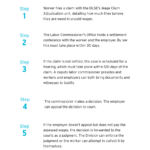 How to claim unpaid wages from employer
Next, consider filing a complaint with the appropriate government agency—either the U.S. Department of Labor’s Wage and Hour Division for federal claims or your state labor department for state-specific issues. These agencies can investigate and help recover wages without requiring a lawsuit.
Alternatively, you may have the right to file a private lawsuit in court, especially if a large sum is involved or if administrative routes are ineffective. It’s also wise to consult an employment attorney early on, particularly if the deadline is approaching, as legal counsel can help preserve your rights and ensure all procedural requirements are met.
| Jurisdiction | Type of Violation | Statute of Limitations |
|---|---|---|
| Federal (FLSA) | Non-willful violation | 2 years |
| Federal (FLSA) | Willful violation | 3 years |
| California | Unpaid wages (civil action) | 3 years |
| New York | Minimum wage/overtime | 6 years |
| Texas | Wage claim | 2 years (aligned with FLSA) |
| Illinois | Unpaid wages | 5 years (written contract) |
Understanding the Time Limits for Filing Unpaid Wage Claims
The amount of time you have to claim unpaid wages depends largely on federal and state laws, as well as the nature of the wage violation. Under the Fair Labor Standards Act (FLSA), the federal statute of limitations is typically two years for non-willful violations and extends to three years if the employer’s failure to pay is deemed willful.
However, individual states may have longer or shorter deadlines, with some offering up to four or six years for certain claims.
 How to make a claim for unpaid wages
It’s critical to act quickly, as missing the filing deadline can permanently bar you from recovering back wages, penalties, or liquidated damages. Gathering documentation such as pay stubs, work schedules, and employment contracts can strengthen your case and support timely claims with either the U.S. Department of Labor or a state labor agency.
What Is the Federal Statute of Limitations for Unpaid Wages?
Under the Fair Labor Standards Act (FLSA), employees generally have two years from the date wages were owed to file a claim for unpaid wages.
If the employer’s conduct is found to be deliberate or willful, the time limit extends to three years. This federal rule applies to minimum wage, overtime pay, and certain prevailing wage claims.
However, the claim must be filed in court unless resolved administratively through the Wage and Hour Division (WHD) of the U.S. Department of Labor, which doesn’t have strict filing deadlines but encourages prompt reporting. The burden of proof and record-keeping are essential to validating the claim within this timeframe.
 How to file a claim for unpaid wages in california
How Do State Laws Affect the Deadline to Claim Unpaid Wages?
State laws can significantly impact how long you have to claim unpaid wages, often providing more favorable timelines than federal law.
For example, California allows employees up to three years for wage and hour violations and four years for breach of written contract claims, while New York typically allows six years under its labor law for most unpaid wage actions. Some states apply different statutes of limitations based on whether the claim is filed under a wage law, contract law, or unfair labor practice.
It’s essential to consult with your state labor department because these laws vary widely, and in some cases, you may choose the most beneficial deadline if multiple legal avenues are available.
What Happens If You Miss the Deadline to Claim Unpaid Wages?
If you miss the statute of limitations for filing an unpaid wage claim, you may lose your legal right to recover any back pay, overtime, or penalties.
Courts typically dismiss claims filed after the deadline, regardless of how strong the evidence is. This defense, known as statute of limitations bar, is often raised by employers to avoid liability.
While rare exceptions like equitable tolling may apply—if you were fraudulently misled about your pay or were unaware due to employer misconduct—these require substantial supporting evidence. Therefore, timely action and legal consultation are crucial to prevent forfeiture of your claim.
Can You File Both a Federal and State Claim for Unpaid Wages?
Yes, employees can often file claims under both federal and state laws to maximize the chance of recovering unpaid wages. Federal claims are governed by the FLSA and enforced by the U.S. Department of Labor or through private lawsuits, while state claims are handled by local labor agencies or in state courts.
Filing under both systems may provide strategic advantages, such as accessing longer statutes of limitations or stronger remedies like attorney’s fees or waiting time penalties available at the state level. However, you cannot double-collect for the same wages; any recovery from one claim typically offsets the other. Coordination between agencies and legal counsel is recommended to navigate overlapping jurisdictions.
What Documents Are Needed to Support an Unpaid Wage Claim?
To support an unpaid wage claim, you should gather key documents such as pay stubs, time records, employment contracts, offer letters, work schedules, bank deposit records, and any written communication about wages or hours.
The Fair Labor Standards Act requires employers to maintain accurate time and pay records for at least three years, but employees should keep their own records in case the employer fails to do so.
Additional proof, like witness statements, emails requesting overtime, or employer admissions of underpayment, can strengthen your case. Submitting thorough documentation increases the likelihood of a successful resolution, whether through a government investigation, mediation, or court proceeding.
Frequently Asked Questions
How long do you have to claim unpaid wages in the United States?
In the United States, the time limit to claim unpaid wages is typically two to three years, depending on the state and type of violation. The Fair Labor Standards Act (FLSA) allows a two-year statute of limitations for non-willful violations and three years for willful ones. Some states have longer deadlines, so it’s important to check local labor laws and file a claim promptly with the Department of Labor or in court.
Can you claim unpaid wages after leaving a job?
Yes, you can claim unpaid wages after leaving a job. Former employees have the same legal rights as current ones when it comes to recovering unpaid overtime, minimum wage violations, or unpaid final paychecks. You must file your claim within the applicable statute of limitations, usually two to three years. Contact your state labor board or consult an attorney to start the process and protect your rights.
What happens if you miss the deadline to claim unpaid wages?
If you miss the deadline to claim unpaid wages, you may lose your legal right to recover the money. Courts typically dismiss claims filed after the statute of limitations expires. This timeframe is usually two or three years, depending on federal or state laws. To avoid this, act quickly—file a complaint with the U.S. Department of Labor or your state labor agency as soon as you notice unpaid wages.
Do different states have different time limits for claiming unpaid wages?
Yes, different states have varying time limits for claiming unpaid wages. While the federal FLSA sets a two- to three-year window, some states allow longer periods—up to four or six years for wage claims. These laws vary based on whether the violation is considered a contract dispute or a labor law violation. Always verify the specific deadline in your state to ensure you file within time.
Leave a Reply