
Texas workforce commission unpaid wages claim
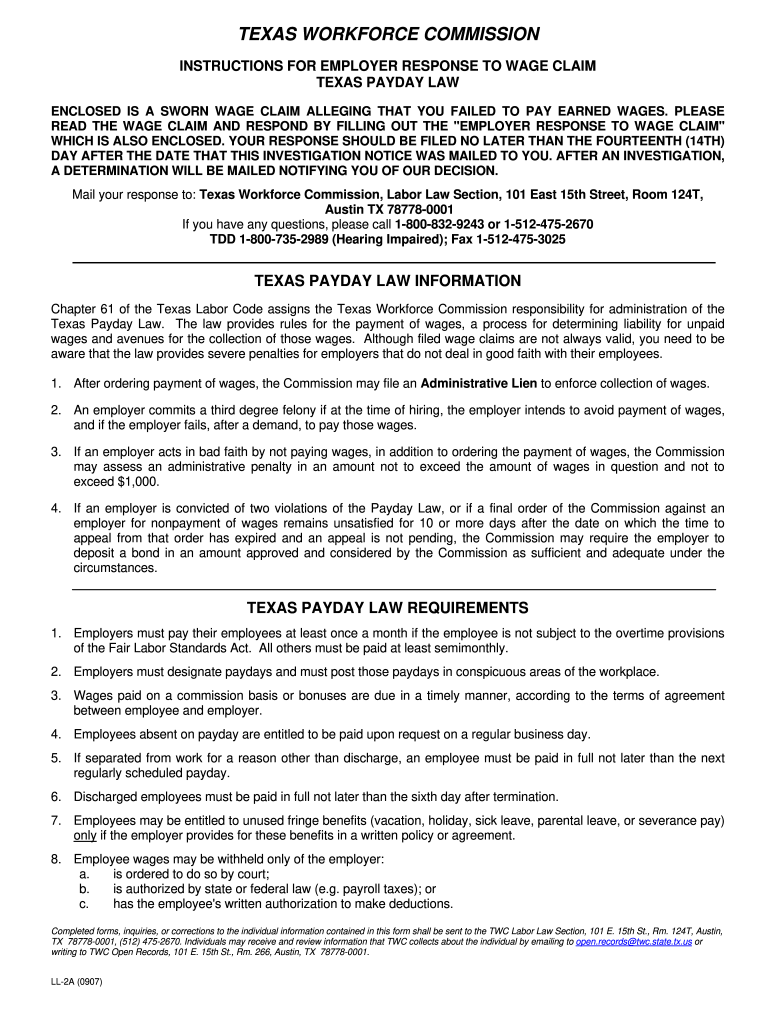
Workers in Texas who have not received proper payment for their labor may seek justice through the Texas Workforce Commission (TWC) unpaid wages claim process.
The TWC provides a formal avenue for employees to recover lost wages due to employer violations, including minimum wage breaches, overtime pay denial, or complete non-payment. Filing a claim is a critical step toward holding employers accountable and ensuring compliance with state and federal labor laws.
This process is free, accessible, and designed to protect workers' rights regardless of immigration status. Understanding the steps, documentation, and deadlines involved can significantly impact the success of a wage claim.
 Twc unpaid wages claim
Filing an Unpaid Wages Claim with the Texas Workforce Commission
If you believe you have not been paid wages you are owed by your employer, the Texas Workforce Commission (TWC) provides a formal process to file a wage claim.
Unlike some states, Texas does not have a state agency that enforces private wage claims, but the TWC offers a voluntary wage claim process to help employees recover unpaid wages, including unpaid minimum wage, overtime, final paychecks, and other earned compensation.
While the TWC does not have the authority to force an employer to pay, it can mediate disputes and issue a Decision and Order that can be enforced in court.
To initiate a claim, workers must file within 180 days of the date the wages were due. The process is free, can be completed online or by mail, and requires detailed information about the employer, the nature of the unpaid wages, and supporting documentation such as pay stubs or employment contracts.
 Uber unpaid wages claim
Eligibility Requirements for Filing a Wage Claim
To be eligible to file an unpaid wages claim with the Texas Workforce Commission, the employee must have worked for a private employer, as the TWC process does not cover public (government) employees. The wages claimed must be for work performed in Texas.
Additionally, the claim must be filed within 180 days from the date the wages were originally due, which includes final paychecks and accrued vacation pay. Independent contractors typically do not qualify, as the TWC wage claim process applies only to individuals classified as employees.
The TWC also does not handle disputes related to wrongful termination unless they are directly tied to unpaid wages. Ensuring that your situation meets these criteria is essential before initiating the claim process.
Steps to Submit a Claim with the Texas Workforce Commission
Filing a wage claim with the TWC begins with completing the official Claim for Unpaid Wages form, which is available on the TWC website.
 Unpaid wages claim arizona
You must provide personal information, details about your employment, and a clear explanation of the unpaid wages, including dates worked, amounts owed, and the type of wages (e.g., hourly wages, overtime, bonuses). After submission, the TWC will notify your employer and begin an investigation, possibly requesting additional documentation or scheduling interviews.
The employer will have the opportunity to respond, and TWC representatives will review both sides before issuing a determination. If the decision is in your favor and the employer fails to pay, you may file the Decision and Order in a county court to enforce payment.
Common Types of Unpaid Wages Pursued Through TWC Claims
Employees commonly file claims for a variety of unpaid wages, including unpaid final paychecks, withheld bonuses or commissions, and failure to pay minimum wage or overtime as required by federal law under the Fair Labor Standards Act (FLSA).
Some employers unlawfully deduct pay for break times not taken or fail to compensate for all hours worked, especially off-the-clock work. In Texas, accrued vacation time may also be claimable if the employer has a written policy promising payment upon termination.
The TWC evaluates each claim based on the employment agreement, company policies, and applicable wage laws. Ensuring that your claim type falls within these recognized categories increases the likelihood of a favorable outcome.
| Claim Type | Filing Deadline | Enforceable by TWC? | Key Notes |
|---|---|---|---|
| Unpaid final paycheck | 180 days from date due | Yes, if company policy requires payment | Employers must pay final wages by next regular payday |
| Minimum wage violations | 180 days from wage due date | Yes, under FLSA standards | Federal law governs; TWC investigates based on FLSA |
| Overtime pay | 180 days from non-payment date | Yes, if eligible under FLSA | Applies to non-exempt employees working over 40 hours/week |
| Accrued vacation or PTO | 180 days from date owed | Yes, if stated in contract or policy | Only enforceable if employer promised payment in writing |
| Commissions or bonuses | 180 days from due date | Yes, if earned and not paid | Must prove agreement or policy guaranteeing payment |
Frequently Asked Questions
What is a Texas Workforce Commission unpaid wages claim?
A Texas Workforce Commission (TWC) unpaid wages claim allows employees to recover wages their employer failed to pay. If you worked in Texas and were not paid legally owed wages—such as regular pay, overtime, or final pay—you can file a claim with TWC. The commission investigates and may order the employer to pay. Filing is free, and you don't need a lawyer to start the process.
How do I file an unpaid wages claim with the Texas Workforce Commission?
To file an unpaid wages claim with the Texas Workforce Commission, visit the TWC official website and submit a Wage Claim Form online. You’ll need details like employer information, dates of employment, and the amount owed. Provide supporting documents such as pay stubs or timesheets. TWC will review your claim, contact your employer, and work toward a resolution. Keep copies of all submitted materials.
What types of wages can I claim through TWC?
The Texas Workforce Commission allows claims for regular pay, overtime, commissions (if agreed upon), bonuses (if contractually guaranteed), and final paychecks. However, TWC typically doesn’t handle disputes over vacation or sick pay unless it was promised in writing. Make sure your claim is for legally earned wages and supported by evidence like employment agreements, time records, or pay statements to increase chances of approval.
How long do I have to file an unpaid wages claim in Texas?
You generally have 180 days (about six months) from the date wages were due to file an unpaid wages claim with the Texas Workforce Commission. This deadline is strict and applies to most wage disputes. Filing after 180 days may result in your claim being dismissed. Act quickly if you believe you’re owed wages to ensure you meet this legal timeframe and preserve your rights.
Leave a Reply