
How to file a claim for unpaid wages in california

Unpaid wages are a serious violation of workers’ rights in California, but employees have legal recourse to recover what they are owed. California labor laws protect workers by requiring timely payment of all earned wages, including regular pay, overtime, bonuses, and commissions.
When employers fail to meet these obligations, filing a wage claim with the Division of Labor Standards Enforcement (DLSE) is a crucial step toward justice. This process allows employees to seek compensation without needing to hire a lawyer. Understanding how to document violations, complete the necessary forms, and meet deadlines is essential for a successful claim.
How to File a Claim for Unpaid Wages in California
Filing a claim for unpaid wages in California is a process that allows employees to recover wages legally owed by their employer, including unpaid minimum wage, overtime, meal and rest break penalties, commissions, or final paycheck violations. California law, enforced by the Labor Commissioner's Office (also known as the Division of Labor Standards Enforcement or DLSE), provides strong protections for workers. Employees who believe their wages have been wrongfully withheld can file a wage claim with the DLSE, initiating an investigation and potentially a hearing to recover the owed amount. The process is free and accessible, and it is not necessary to have an attorney to begin. It’s important to act quickly, as there are statute of limitations—typically three years for written contracts and two years for oral agreements or wage theft claims under Labor Code § 203.
 How to file a claim for unpaid wages in florida
Step-by-Step Process to File a Wage Claim
To file a wage claim in California, employees must first obtain and complete a Claim for Wages and Other Compensation (Form DE 100 or DE 100-SP for Spanish) from the DLSE website or a local office.
After filling out the form with details such as employer information, type of unpaid wages, and supporting documentation, the claimant submits it to the nearest DLSE office.
The DLSE will then serve the claim to the employer, who has the opportunity to respond. Depending on the situation, the Labor Commissioner may schedule a conference to attempt resolution or move directly to a hearing.
If a decision is made in the employee’s favor and the employer does not pay, the employee can enforce the judgment through small claims procedures or lien filings. This process ensures that workers have an accessible path to reclaim what they're legally owed.
 How long does an employee have to claim unpaid wages
Types of Unpaid Wages You Can Claim
California employees can file claims for various forms of unpaid compensation, including unpaid minimum wage, unpaid overtime, missed meal and rest breaks, unpaid final wages, unreimbursed business expenses, and unpaid commissions if they were part of an agreement. Under state law, non-exempt employees must be paid at least the California minimum wage (currently $16.00 per hour in 2024 for all employers), and overtime must be paid at one-and-a-half times the regular rate for hours over 8 in a day or 40 in a week, and double time for hours exceeding 12 in a day or beyond eight on the seventh consecutive workday. Employers who fail to provide legally mandated meal periods or rest breaks may owe penalty wages equal to one additional hour of pay per workday. These protections apply regardless of immigration status, and retaliation for filing a claim is illegal.
Deadlines and Legal Protections When Filing a Claim
Workers in California must file a wage claim within specific time limits, known as the statute of limitations. Generally, employees have three years to file a claim for unpaid wages based on a written contract and two years for oral contracts or claims arising from wage theft under Labor Code § 203.
Some cases, such as minimum wage or overtime violations, fall under the Industrial Welfare Commission (IWC) wage orders, which also allow a three-year window. It’s important to act promptly because delays can jeopardize the ability to recover wages.
Additionally, California law prohibits retaliation against employees who file wage claims or cooperate in labor investigations. If an employer fires, demotes, or otherwise punishes an employee for asserting their wage rights, the employee may file a separate retaliation complaint with the DLSE and seek additional remedies.
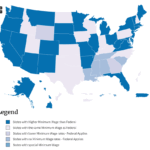 Wage and hour claim for unpaid wages
| Type of Violation | Deadline to File Claim | Key Legal Basis |
|---|---|---|
| Unpaid Minimum Wage or Overtime | 3 years | Under IWC Wage Orders |
| Unpaid Final Wages (Wrongful Termination) | 1 year | Lab. Code § 203 (Waiting Time Penalties) |
| Breach of Written Employment Contract | 4 years | Civ. Code § 337 |
| Oral Agreement or General Wage Theft | 2 years | Lab. Code § 1194, § 203 |
| Retaliation for Wage Complaint | 3 years | Lab. Code § 98.6, § 1197.5 |
Understanding Your Rights to Recover Unpaid Wages in California
Employees in California are protected by some of the strongest labor laws in the United States, ensuring they receive all wages earned for their work. When employers fail to pay minimum wage, overtime, or final paychecks on time, workers have legal options to recover what they are owed.
Filing a wage claim with the Division of Labor Standards Enforcement (DLSE), also known as the Labor Commissioner’s Office, is a common and effective method.
Workers do not need to hire an attorney to begin this process, and retaliation by an employer for filing a claim is strictly illegal under California law. Gathering documentation such as pay stubs, work schedules, and communication records is critical to building a strong case.
Identify the Type of Unpaid Wages You Are Owed
It is essential to determine exactly what wages you have not been paid, as California law covers various categories including unpaid overtime, minimum wage violations, missed meal and rest breaks, and unpaid final wages. Overtime must be paid at one-and-a-half times your regular rate for hours worked over eight in a day or 40 in a week, and double time applies after 12 hours in a single day.
 Department of labor claim for unpaid wages
Employers must also pay for all hours worked, including off-the-clock time or unauthorized overtime if they knew or should have known the work was performed. Accurately calculating your claim increases the chances of a successful resolution.
Collect and Organize Supporting Documentation
Strong evidence significantly strengthens your wage claim, making it vital to gather pay stubs, timecards, work schedules, employment contracts, and any written or digital communication with your employer about hours or pay.
If you lack official records, personal logs of your work hours, emails, text messages, or witness statements can serve as supporting documentation. The DLSE evaluates claims based on the evidence presented, so thorough and well-organized documentation can make the difference between winning or losing your case. Keep copies of everything you submit and store originals safely.
File a Wage Claim with the Labor Commissioner’s Office
To initiate the process, you must file a "Claim for Unpaid Wages" (Form DLSE 1) with the Division of Labor Standards Enforcement. This form is available online and requires detailed information about your employer, your job duties, dates of employment, and a breakdown of the wages owed.
You can submit the claim in person at a local DLSE office, by mail, or electronically where available. The claim must generally be filed within three years from the date the wages were due, although some violations may have shorter deadlines. Once filed, the DLSE will notify your employer and begin its review process.
Attend the Conference and Hearing if Necessary
After your claim is filed, the DLSE may schedule a pre-hearing conference to assess whether the case can be resolved without a formal hearing. If unresolved, a wage claim hearing will be set where both you and your employer can present evidence and call witnesses.
These hearings are administrative, not criminal, and are conducted by a Deputy Labor Commissioner who then issues an order. It is crucial to arrive prepared, on time, and with all relevant documents and witnesses. If you win, the employer may be ordered to pay the owed wages plus penalties.
Enforce the Labor Commissioner’s Decision
If the Labor Commissioner rules in your favor and your employer does not voluntarily comply, you must take additional steps to enforce the decision.
One option is to record the decision with the county clerk to turn it into a court judgment, allowing you to use collection methods such as wage garnishment or bank levies. If the employer appeals the decision, a trial will be held in civil court, giving both sides another chance to present their case. Acting promptly to enforce your award ensures you do not lose out on the wages legally owed to you.
Frequently Asked Questions
How do I start a claim for unpaid wages in California?
To start a claim for unpaid wages in California, file a wage claim with the Division of Labor Standards Enforcement (DLSE), also known as the Labor Commissioner’s Office. You can submit the claim online, by mail, or in person at a local office. Provide detailed documentation such as pay stubs, work schedules, and any communication about wages. The DLSE will review your claim and may schedule a hearing.
What types of unpaid wages can I claim in California?
You can claim various types of unpaid wages in California, including minimum wage violations, unpaid overtime, missed meal and rest breaks, unpaid final wages, and unreported hours worked. Commission, bonuses, and vacation pay may also be recoverable if legally owed. Keep accurate records like timesheets and employment contracts to support your claim. California labor laws protect employees' rights to all earned compensation.
Is there a time limit to file an unpaid wage claim in California?
Yes, there is a time limit to file an unpaid wage claim in California. Generally, you must file within three years from the date the wages were due. Some claims, such as breach of written contract, may have a four-year limit. It's best to file as soon as possible to preserve evidence and witness memories. The DLSE will not accept claims filed after the statutory deadline.
What happens after I file a wage claim in California?
After filing a wage claim, the DLSE will notify your employer and may request a response. The agency might schedule a conference to resolve the issue informally. If unresolved, a formal hearing is held where both sides present evidence. An administrative law judge will issue an order, which may include payment of wages and penalties. Either party can appeal the decision to court.
Leave a Reply