
How to claim unpaid wages

Workers often face situations where employers fail to pay wages they rightfully earned. Unpaid wages can include missed hourly pay, withheld overtime, or unissued final checks after leaving a job.
This violation not only affects financial stability but also worker morale. Knowing your rights is the first step toward recovery. Federal and state laws protect employees, ensuring timely and proper payment.
If you believe you’re owed unpaid wages, you’re not without recourse. Gathering documentation, understanding labor laws, and knowing how to file a claim can make a significant difference. This guide explains the steps to claim what you’re legally entitled to.
 Flsa claim for unpaid wages
How to Claim Unpaid Wages: Steps and Legal Rights
Recovering unpaid wages is a critical issue for employees who have not received rightful compensation for work performed. In the United States, federal and state laws protect workers’ rights to timely and full payment of wages earned. The most common situations involving unpaid wages include failure to pay minimum wage, not compensating for overtime work, withholding final paychecks, or not paying for all hours worked.
To claim unpaid wages, employees should begin by gathering all relevant documentation such as pay stubs, time records, employment contracts, and communication with the employer. The next step is often to confront the issue directly with the employer, preferably in writing, in an effort to resolve the dispute internally.
If this fails, the employee can file a formal complaint with a government agency such as the U.S. Department of Labor’s Wage and Hour Division (WHD) or the appropriate state labor department. These agencies can investigate the claim, recover back wages, and in some cases, impose penalties on the employer. It's important to act quickly, as there are strict statutes of limitations that apply—typically two to three years depending on whether the violation is considered willful.
Employees also have the right to file a private lawsuit, especially if administrative remedies do not yield results. Legal action may allow recovery of back wages, liquidated damages, attorney fees, and court costs. Understanding your rights and the procedural path forward empowers workers to stand up for fair compensation under the law.
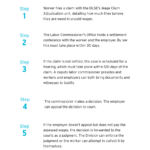 How to claim unpaid wages from employer
Understanding Your Rights Under the Fair Labor Standards Act (FLSA)
The Fair Labor Standards Act (FLSA) is the primary federal law governing minimum wage, overtime pay, recordkeeping, and youth employment standards in the United States. Under the FLSA, most employees are entitled to receive at least the federal minimum wage and overtime pay at a rate of one and one-half times their regular rate of pay for any hours worked beyond 40 in a workweek.
The law applies to employers in the private sector and to federal, state, and local governments. To claim unpaid wages under the FLSA, workers must first determine if they are classified correctly as exempt or non-exempt—only non-exempt employees are entitled to overtime.
Misclassification is a common issue, where employers mistakenly or intentionally label hourly workers as salaried professionals to avoid paying overtime. If you believe your rights under the FLSA have been violated, you are protected from retaliation for filing a complaint, such as being fired, demoted, or disciplined.
Claims can be filed individually or as part of a collective action with other employees in similar situations. The FLSA allows for recovery of unpaid wages going back two years—or three years in cases of willful violations—and may also entitle affected employees to liquidated damages equal to the amount of back wages owed, effectively doubling the recovery.
 How to make a claim for unpaid wages
How to File a Wage Claim with the Department of Labor
Filing a wage claim with the U.S. Department of Labor (DOL) is a straightforward process designed to help workers recover unpaid wages without immediately resorting to litigation.
The first step is to contact the Wage and Hour Division (WHD) either online, by phone, or in person at a local office. You will need to complete a formal complaint form, providing details such as your employer’s name, address, type of business, dates of employment, a description of the unpaid wage issue, and the amount you believe you are owed.
Supporting documents like pay records, work schedules, and written agreements improve the strength of your claim. Once submitted, the WHD may initiate an investigation, contacting your employer for a response and reviewing payroll records. If the investigation finds in your favor, the DOL can require the employer to pay back wages and, in some cases, additional liquidated damages.
This administrative process is free of charge and does not require legal representation, though consulting an attorney can be helpful for complex cases. It's important to note that the WHD typically requires claims to be filed within two years of the violation, or three years if the violation was willful. Acting promptly ensures your claim falls within these filing deadlines and increases the likelihood of a successful outcome.
 File a claim for unpaid wages in california
State vs. Federal Wage Claim Options: What Workers Should Know
Workers seeking to recover unpaid wages may have options under both federal and state labor laws, and understanding the differences is crucial for choosing the best course of action.
While the FLSA sets a national floor for wage protections, many states have their own labor laws that provide greater protections, such as higher minimum wages, stricter overtime rules, or faster payment schedules.
For example, California and New York require daily or weekly overtime in certain cases and mandate prompt payment of final wages upon termination. When federal and state laws differ, employees are entitled to the standard that offers the most benefit.
State labor departments often process wage claims more quickly than federal agencies and may offer additional remedies such as waiting time penalties for delayed final paychecks. Additionally, some states allow claims to be filed in small claims court, giving employees a faster and more accessible legal route.
 How to file a claim for unpaid wages in california
It is possible—and sometimes advantageous—to file a claim with both state and federal agencies, ensuring all potential avenues are explored. Ultimately, knowing whether to pursue a federal or state claim, or both, depends on the specifics of your employment situation and the nature of the wage violation.
| Aspect | Federal (FLSA) | State (e.g., California, New York) |
|---|---|---|
| Minimum Wage | $7.25 per hour | Up to $16.00 per hour (varies by state) |
| Overtime Eligibility | After 40 hours/week | Some states require after 8 hours/day or 40 hours/week |
| Final Paycheck Deadline | No federal mandate | Immediate or within 72 hours of termination (CA) |
| Statute of Limitations | 2 years (3 if willful) | Up to 6 years in some states |
| Penalties for Nonpayment | Liquidated damages (equal to unpaid wages) | Additional waiting time penalties (e.g., daily pay) |
Understanding Your Rights to Unpaid Wages
Employees have legally protected rights to receive full and timely compensation for work performed, and failing to pay wages is a violation of federal and state labor laws. The Fair Labor Standards Act (FLSA) establishes minimum wage, overtime pay, and recordkeeping requirements, and it empowers workers to take action when employers withhold earned income.
Whether wages are missing due to unpaid overtime, withheld final paychecks, or misclassification as exempt employees, the first step in resolving the issue is recognizing that the right to payment is enforceable.
Workers should gather documentation such as pay stubs, work schedules, and employment contracts to support their claims, and understand that retaliation for seeking unpaid wages is illegal under whistleblower protections.
Documenting Unpaid Work Hours
Keeping detailed records of hours worked is essential when claiming unpaid wages, especially if the employer does not maintain accurate time logs. Workers should save any available evidence such as timesheets, emails, text messages, or supervisor approvals that confirm when and how much they worked.
This documentation becomes critical in disputes over overtime eligibility or whether hours were recorded at all. The more thorough and organized the records, the stronger the case will be when filing a claim with a labor agency or pursuing legal action.
Filing a Complaint with the Department of Labor
The U.S. Department of Labor’s Wage and Hour Division (WHD) investigates claims of unpaid wages and enforces compliance with federal labor standards. Employees can file a formal complaint online, by phone, or in person at a local WHD office without the need for an attorney.
The agency may conduct an audit of the employer’s payroll records and, if violations are found, require the employer to pay back wages and liquidated damages. The process is confidential, and retaliation against complainants is strictly prohibited under the FLSA.
Filing a Claim in Small Claims Court
For smaller unpaid wage amounts, small claims court provides a fast, accessible legal venue where employees can sue employers without hiring a lawyer. Each state sets a monetary limit on claims eligible for small claims, typically ranging from $5,000 to $10,000.
Workers must present clear evidence of the unpaid wages, such as work logs, emails, or pay statements, and follow local court procedures for filing and serving the claim. If the court rules in the employee’s favor, it can issue a judgment for the owed amount plus court costs.
Consulting an Employment Lawyer
When unpaid wage cases are complex—such as involving employee misclassification, collective action claims, or employer retaliation—consulting an experienced employment attorney is advisable. Legal professionals can assess the strength of a case, help file claims with the appropriate agencies, or initiate a private lawsuit under the FLSA. Many employment attorneys work on a contingency fee basis, meaning they only collect payment if the employee wins compensation. Legal counsel also ensures deadlines for filing claims, which can be as short as two or three years, are not missed.
Negotiating Directly with Your Employer
Sometimes, unpaid wages result from administrative errors rather than intentional violations, making direct communication a useful first step. Employees should calmly present their evidence of unpaid time or wages and request prompt correction in writing.
A respectful but firm letter outlining the amount owed, dates of work, and legal basis for the claim can prompt quick resolution without escalation. If the employer refuses to pay or becomes hostile, this documented attempt at resolution strengthens the employee’s position in formal proceedings.
Frequently Asked Questions
What steps should I take to claim unpaid wages?
To claim unpaid wages, first gather all relevant documentation, such as pay stubs, contracts, and work schedules. Then, discuss the issue with your employer to resolve it directly. If unsuccessful, file a wage claim with your state’s labor department or the U.S. Department of Labor. Be sure to act promptly, as there are time limits for filing claims.
Can I file a claim for unpaid overtime?
Yes, you can file a claim for unpaid overtime if you’re eligible under the Fair Labor Standards Act (FLSA). Non-exempt employees are entitled to overtime pay at 1.5 times their regular rate for hours worked beyond 40 in a workweek. Collect evidence of your hours worked and file a complaint with the Wage and Hour Division of the Department of Labor.
What documents are needed to file a wage claim?
To file a wage claim, provide documents like pay stubs, time sheets, work schedules, employment contracts, and any communication about pay. These records help prove the hours you worked and the amount owed. The more detailed and organized your documentation, the stronger your claim will be when submitted to your state labor agency or the U.S. Department of Labor.
How long do I have to file a claim for unpaid wages?
You typically have two years to file a claim for unpaid wages under the Fair Labor Standards Act, or three years if the violation is willful. State laws may vary, so check your local regulations. It's important to act quickly and file your claim as soon as you notice the unpaid wages to protect your rights.
Leave a Reply