
How to claim unpaid wages from employer
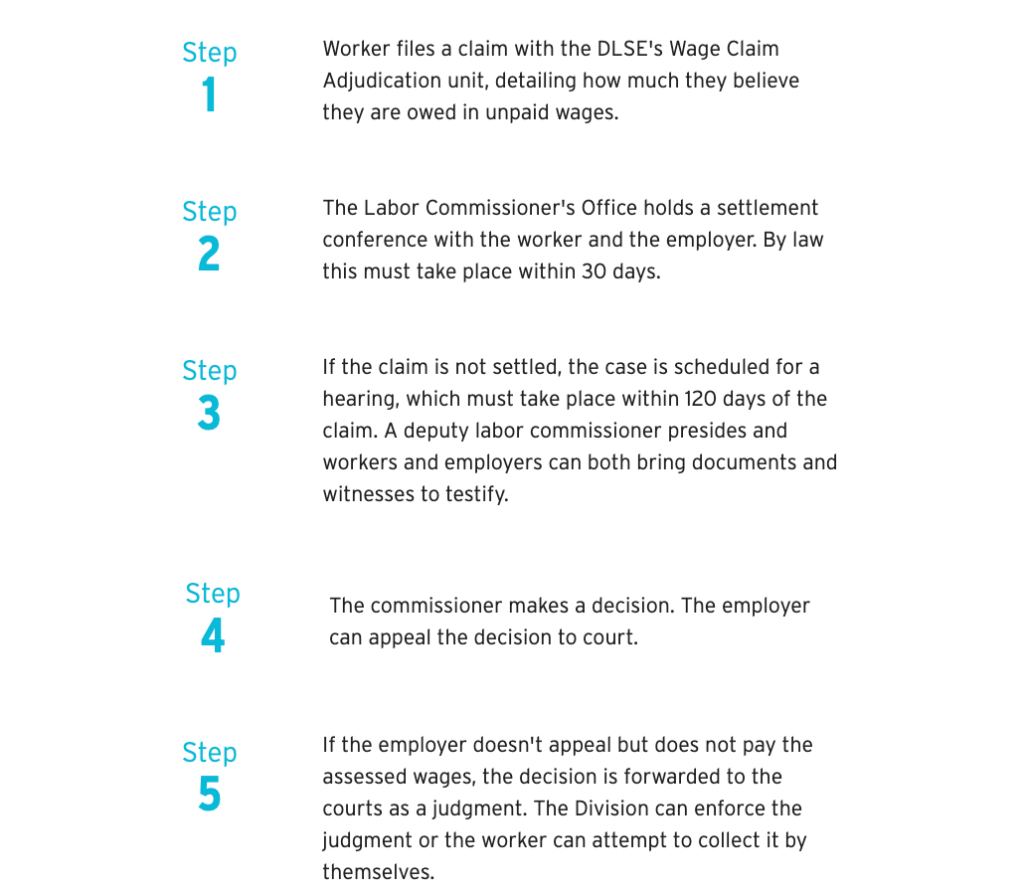
Unpaid wages affect millions of workers each year, leaving many uncertain about their rights and options. When employers fail to pay earned income, whether through minimum wage violations, unpaid overtime, or failure to compensate for all hours worked, employees have legal protections. Understanding how to claim unpaid wages is essential for securing what you rightfully earned.
This process involves documenting work hours, gathering pay records, and knowing the appropriate legal channels. Federal and state labor laws, including the Fair Labor Standards Act, provide frameworks for wage recovery. Workers can file complaints with labor departments or pursue legal action when necessary.
How to Claim Unpaid Wages from Your Employer
Recovering unpaid wages is a legal right protected under labor laws in most countries, particularly in the United States under the Fair Labor Standards Act (FLSA). If your employer has failed to pay you for hours worked, withheld final paychecks, misclassified you as exempt from overtime, or paid less than minimum wage, you have several options to reclaim what you're owed.
 Flsa claim for unpaid wages
The process typically begins with documenting your work hours and pay history, followed by communicating with your employer to resolve the issue informally. If that fails, you can file a formal complaint with a government agency such as the U.S. Department of Labor’s Wage and Hour Division or your state’s labor board.
In some cases, pursuing a lawsuit may be necessary, especially if significant wages are involved or retaliation occurs. It's important to act promptly, as there are strict time limits—known as statutes of limitations—for filing wage claims.
Understanding Your Legal Rights Regarding Wages
Every employee is entitled to receive timely and correct payment for all hours worked, including minimum wage, overtime pay (typically 1.5 times the regular rate for hours over 40 in a workweek), and any agreed-upon bonuses or commissions.
Federal and state laws protect these rights, and employers cannot legally withhold wages even if there's a dispute over job performance or company policies. Exempt and non-exempt employee classifications affect eligibility for overtime, so it’s critical to verify your status.
 How to make a claim for unpaid wages
Misclassification is a common reason for unpaid wages, and employees who believe they were improperly labeled as exempt may have strong grounds for a claim. Knowing these rights empowers you to take informed action and demand what you legally deserve.
Steps to Take Before Filing a Formal Wage Claim
Before escalating the issue, attempt to resolve the matter directly with your employer. Gather all relevant documents such as pay stubs, time records, work schedules, employment contracts, and any communication about pay. Clearly present your case in writing, outlining the discrepancy and requesting prompt payment. This step not only shows good faith but may lead to a quick resolution without the need for legal intervention. If your employer ignores your request or refuses to pay, document the lack of response. These records will strengthen your case when filing a formal complaint. Consider speaking with coworkers who may have similar issues, as group claims can increase pressure on the employer and improve the chances of recovery.
How to File a Wage Claim with a Government Agency
To file a wage claim, contact your state’s labor department or the federal Wage and Hour Division (WHD) if state protections are limited.
Most agencies allow online, mail, or in-person submissions and require detailed information including employer details, dates of employment, hours worked, wages paid, and the amount owed. The process is usually free and does not require a lawyer. Once submitted, the agency will investigate by reviewing evidence and possibly interviewing the employer.
 File a claim for unpaid wages in california
If they find in your favor, they can order the employer to pay back wages, damages, or civil penalties. Enforcement power varies by jurisdiction, but government involvement often compels employers to comply. Keep copies of all submitted materials and follow up regularly on the status of your claim.
| Action Step | Description | Key Details |
|---|---|---|
| Document Work and Pay Records | Collect evidence such as timesheets, pay stubs, emails, and contracts. | Essential for proving hours worked and wages owed; strengthens your claim. |
| Contact Employer Directly | Request payment in writing, detailing the discrepancy. | A formal attempt at resolution; creates a paper trail for further action. |
| File a Wage Claim | Submit a complaint to federal or state labor authorities. | Statute of limitations: Typically 2 years federally (3 for willful violations); varies by state. |
| Consult an Attorney | Seek legal advice if the claim is complex or involves retaliation. | Some lawyers take wage cases on a contingency basis; you pay only if you win. |
| Monitor Claim Status | Follow up with the labor agency after filing. | Ensures timely processing and allows you to provide additional information if needed. |
Frequently Asked Questions
What steps should I take to claim unpaid wages from my employer?
Gather all relevant documents like pay stubs, contracts, and work schedules. Contact your employer in writing to request the unpaid wages. If unresolved, file a complaint with your state’s labor department or the U.S. Department of Labor’s Wage and Hour Division. Keep detailed records throughout the process. Legal action may be an option if administrative efforts fail, especially for significant unpaid amounts.
Can I file a claim for unpaid wages if I'm no longer employed?
Yes, former employees can file claims for unpaid wages. You have the same rights to recover owed wages even after leaving the job. Submit your claim to your state labor agency or the federal Wage and Hour Division within the legal time limit, typically two to three years. Provide evidence such as pay records, employment agreements, and communication about the unpaid wages to support your case.
Is there a time limit to claim unpaid wages from an employer?
Yes, there are statutes of limitations for claiming unpaid wages. Under the Fair Labor Standards Act (FLSA), you generally have two years to file a claim, or three years for willful violations. State laws may offer longer periods. It’s important to act quickly and file a wage claim with the appropriate labor agency before the deadline to ensure your right to recover unpaid wages.
 How to file a claim for unpaid wages in florida
What documents are needed when claiming unpaid wages?
You’ll need pay stubs, employment contracts, work schedules, time records, and any communication with your employer about unpaid wages. Bank statements showing deposits can also help prove discrepancies. These documents support your claim when filed with a labor department or court. Organize them clearly and keep copies for your records. Strong documentation increases your chances of recovering owed wages successfully.
Leave a Reply