
How long do i have to claim unpaid wages
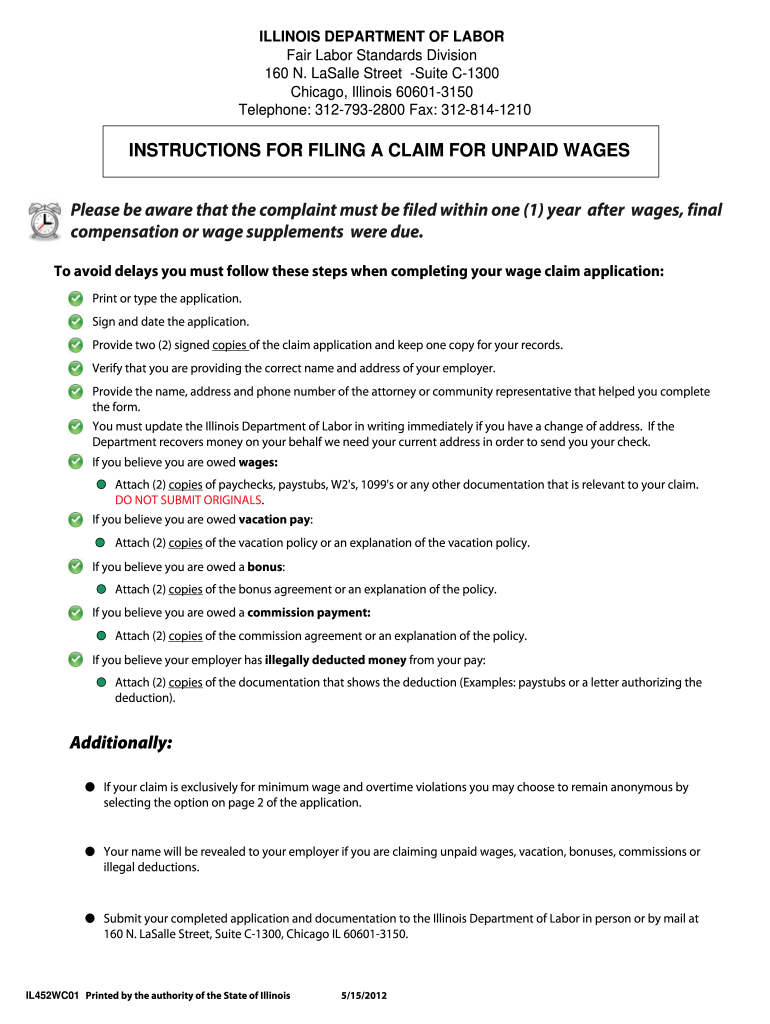
Unpaid wages can create significant financial stress, but employees have legal rights to recover what they’re owed. The time frame to claim unpaid wages varies depending on the jurisdiction and type of claim, but most regions impose strict deadlines.
In the United States, for example, the Fair Labor Standards Act allows employees to file a claim within two years of the violation—or three years in cases of willful violations. State laws may offer shorter or longer statutes of limitation. It’s crucial to act quickly, gather documentation, and consult legal resources to understand your options. Delaying could result in losing the right to recover lost income.
How Long Do I Have to Claim Unpaid Wages?
The time frame in which an employee can legally claim unpaid wages depends on the jurisdiction and the specific labor laws that apply. In the United States, for instance, the Fair Labor Standards Act (FLSA) sets a general statute of limitations of two years for most unpaid wage claims.
 Texas claim for unpaid wages
However, if the violation is deemed willful—meaning the employer knowingly broke the law—the time limit extends to three years. These deadlines, known as statutes of limitations, are crucial because failing to file a claim within the applicable period can result in losing the right to recover back pay entirely. While federal law provides baseline protections, many states have their own wage laws with different deadlines, some of which may be longer.
Therefore, it's essential for employees to understand both federal and state requirements and act promptly if they believe they are owed unpaid compensation. Consulting with a labor attorney or filing a complaint with a labor standards agency can help preserve legal rights and ensure timely action.
Federal Time Limits for Unpaid Wage Claims
Under the Fair Labor Standards Act (FLSA), the federal law governing minimum wage, overtime pay, and wage recordkeeping, employees typically have two years from the date the wages were due to file a claim for unpaid compensation.
This period is extended to three years if the employer’s failure to pay is considered willful, meaning they either knew or showed reckless disregard for whether their pay practices violated the law. These claims can be pursued through private lawsuits or by filing a complaint with the Wage and Hour Division (WHD) of the U.S. Department of Labor.
 Claim for unpaid wages ny
It’s important to note that while the WHD can assist in recovering back wages, there is a stricter two-year limit for administrative enforcement, even in cases of willful violations. Therefore, employees should not delay in asserting their rights under federal law.
State-Specific Statutes of Limitations
Many states have their own labor laws that may offer longer filing periods than federal regulations. For example, in California, employees generally have three years to file a wage claim for unpaid wages through the Labor Commissioner, and up to four years if pursuing a claim in civil court under certain breach-of-contract theories.
In New York, the statute of limitations is typically six years for written contracts and six years for most wage claims under state labor law.
Texas, on the other hand, follows the federal standard with a two-year limit for most wage claims, unless fraud is involved. Because these rules vary widely, it's critical to determine which state law applies—usually the state where the work was performed—and consult the relevant labor department or legal counsel to ensure compliance with local deadlines.
 How to claim unpaid wages from employer
Factors That May Affect the Deadline
Several factors can influence how long an employee has to claim unpaid wages, including the nature of the violation, employment status, and whether tolling (pausing the clock on the statute of limitations) applies.
For example, if an employer actively concealed unpaid wages or provided falsified pay records, the deadline might be extended under the discovery rule, which starts the clock when the employee reasonably should have known about the violation. Additionally, ongoing violations—such as consistent failure to pay overtime over several years—may allow employees to recover wages for work performed within the statutory period leading up to the claim.
Union contracts or written employment agreements may also include specific procedures and time frames for raising wage disputes. Given these complexities, timely documentation and legal advice are essential to protect one’s right to unpaid compensation.
| State | Statute of Limitations (General) | Extended Period (Willful/Fraudulent) | Governing Law |
|---|---|---|---|
| Federal (FLSA) | 2 years | 3 years (willful violation) | Fair Labor Standards Act |
| California | 3 years (administrative), 4 years (civil) | Up to 4 years under contract law | California Labor Code |
| New York | 6 years | 6 years (includes fraudulent conduct) | New York Labor Law |
| Texas | 2 years | 4 years (if fraud involved) | Texas Payday Law |
| Florida | 2 years (aligns with FLSA) | 3 years (willful) | FLSA & state common law |
Frequently Asked Questions
How long do I have to claim unpaid wages in the United States?
In the U.S., the time limit to claim unpaid wages depends on federal and state laws. Under the Fair Labor Standards Act (FLSA), you generally have two years to file a claim, or three years if the violation is willful. However, some states have longer deadlines, ranging from two to six years. It's important to check your state’s labor laws and act quickly to preserve your right to recover unpaid wages.
Can I still claim unpaid wages after leaving my job?
Yes, you can claim unpaid wages after leaving a job. Whether you resigned, were fired, or laid off, you're still entitled to any unpaid wages you earned. The applicable time limits—such as two to three years under federal law—begin when the wages were originally owed. Make sure to file a claim or lawsuit within your state’s statute of limitations to recover the money you’re owed.
What should I do if I miss the deadline to claim unpaid wages?
If you miss the legal deadline, also known as the statute of limitations, it may be difficult or impossible to recover unpaid wages. Courts typically dismiss claims filed after the deadline. However, exceptions may apply in cases of employer fraud or ongoing violations. It's best to consult an employment lawyer as soon as possible to explore any available legal options, even if you believe you've missed the deadline.
Does the type of unpaid wage affect the claim deadline?
The type of unpaid wage—such as unpaid overtime, minimum wage violations, or missed final paychecks—usually doesn't change the general claim deadline. Federal law provides a two- or three-year window under the FLSA for most wage claims. However, some states have specific rules for certain wage types, like final paycheck claims, which may have shorter deadlines. Always verify your state’s labor regulations to ensure timely action.
Leave a Reply