
Unpaid wage claim california
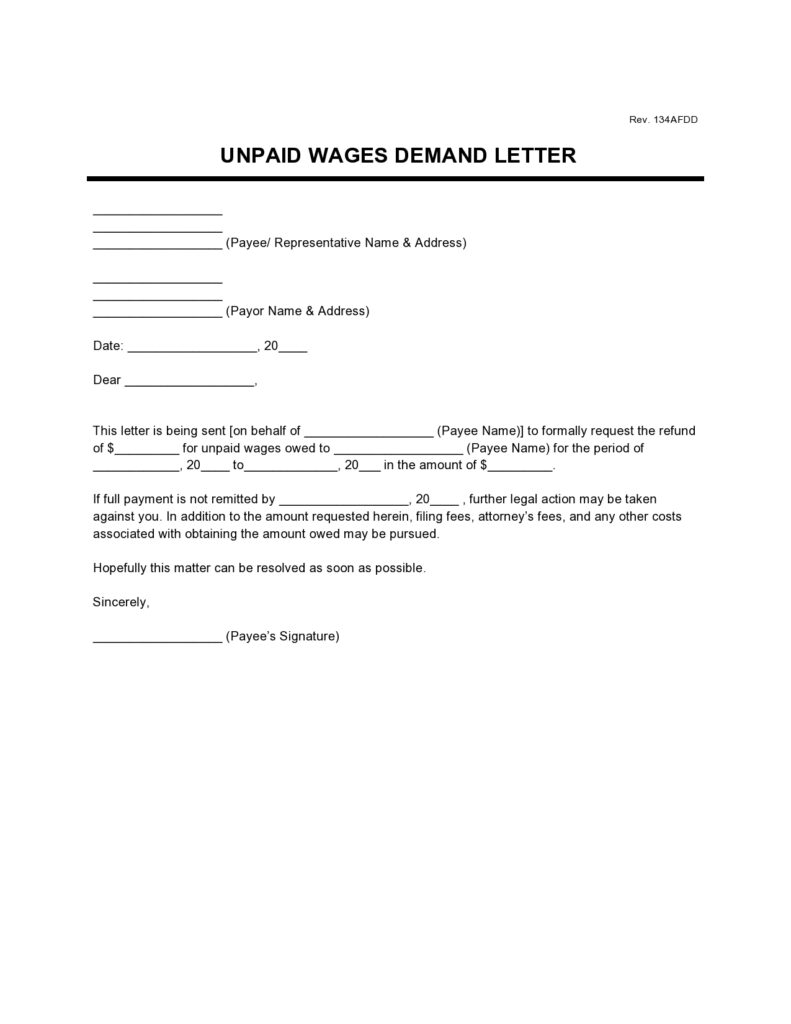
Workers in California who have not received their rightful wages may face significant financial hardship, but state labor laws provide strong protections and remedies.
An unpaid wage claim in California allows employees to recover lost income, including minimum wage violations, overtime pay, meal and rest break penalties, and unreimbursed business expenses. The California Labor Code empowers workers to file claims with the Division of Labor Standards Enforcement (DLSE) or pursue legal action in court.
With strict deadlines and detailed documentation requirements, understanding the claims process is essential. This article outlines the steps to file an unpaid wage claim, common violations, and the resources available to workers seeking justice.
 How long does an unpaid wage claim take
How to File an Unpaid Wage Claim in California
Employees in California who have not received proper compensation for hours worked, missed meal or rest breaks, or final paychecks may be entitled to file an unpaid wage claim.
The process is administered by the California Labor Commissioner’s Office (Division of Labor Standards Enforcement, or DLSE), which helps workers recover wages unlawfully withheld by employers.
Workers can file a claim regardless of their immigration status, and retaliation by an employer for filing such a claim is illegal under California labor law.
To initiate the process, employees typically submit a Claim for Wages (Form DLSE 1), providing detailed documentation such as pay stubs, time records, and any relevant employment agreements. After filing, the Labor Commissioner may schedule a conference and, if unresolved, a formal hearing to determine the outcome.
 Workers compensation lawyer rancho cucamonga ca
Who Can File an Unpaid Wage Claim in California?
Any employee in California—whether full-time, part-time, temporary, or undocumented—has the legal right to file an unpaid wage claim if they have not been paid correctly.
This includes workers owed for minimum wage violations, overtime pay, unearned commissions, reimbursement of business expenses, or final paychecks after termination or resignation.
Independent contractors may also file claims if they were misclassified and should have been treated as employees under California’s ABC test as defined by Assembly Bill 5 (AB5). The key requirement is proving an employer-employee relationship and detailing how the wages were unlawfully withheld.
Deadlines and Statute of Limitations for Wage Claims
In California, the statute of limitations for filing an unpaid wage claim is generally three years for most wage violations, such as failure to pay minimum wage or overtime, based on written contracts or labor code infractions.
 Questions to ask a workers' compensation attorney
However, for oral agreements, the deadline is typically two years. Certain violations, like failure to provide meal or rest breaks, also fall under the three-year rule.
It’s crucial for employees to act promptly, as delays can bar recovery. Importantly, the statute may be tolled—or paused—under specific circumstances, such as if the employer actively concealed the violation or if the employee was a minor at the time.
What Happens After Filing a Wage Claim with the DLSE?
Once an unpaid wage claim is filed with the DLSE, the employer receives notice and must respond. The Labor Commissioner usually schedules a settlement conference to attempt informal resolution between the parties.
If no agreement is reached, the case proceeds to a binding hearing before a Labor Commissioner judge, where both employee and employer present evidence and testimony.
 Reviews of cleveland workers' compensation attorneys for serious injuries
If the employee prevails, the DLSE issues an Order, Judgment, and Decree awarding the unpaid wages, applicable penalties (such as waiting time penalties under Labor Code § 203), and potentially attorney’s fees. The employer may appeal by posting a bond and requesting a trial in superior court.
| Violation Type | Typical Compensation | Time Limit to File |
|---|---|---|
| Unpaid Minimum Wage | Back wages + liquidated damages | 3 years |
| Overtime Pay Owing | 1.5x or 2x hourly rate + penalties | 3 years |
| Missed Meal/Rest Breaks | 1 hour of pay per violation | 3 years |
| Failure to Pay Final Wages | Waiting time penalties up to 30 days | 3 years |
| Unreimbursed Business Expenses | Full reimbursement + potential penalties | 3 years |
Understanding Your Rights: How to File an Unpaid Wage Claim in California
California workers have strong legal protections when it comes to recovering unpaid wages, thanks to comprehensive labor laws enforced by the Division of Labor Standards Enforcement (DLSE).
If an employer fails to pay the wages legally owed—such as minimum wage, overtime pay, final paychecks, or meal and rest breaks—employees can file a wage claim to recover what they are owed.
The process begins by submitting a formal complaint to the DLSE, which will investigate the claim and potentially hold a hearing to determine the outcome. Workers do not need to hire an attorney to file a claim, although legal representation can be beneficial in complex cases.
It is essential to act quickly, as there are strict statutes of limitations—generally three years for most wage claims. Filing an unpaid wage claim not only helps individuals recover lost income but also holds employers accountable for violating California’s robust labor standards.
Common Types of Unpaid Wages in California
Employees in California may be owed various forms of unpaid wages, including failure to pay the state-mandated minimum wage, denial of legally required overtime compensation, unpaid hours worked off the clock, or withheld commissions and bonuses.
Other frequent violations include missed meal and rest breaks, for which employees are entitled to one hour of pay per workday if the break is not provided. Employers may also fail to pay all wages promptly upon termination or resignation, violating final paycheck laws.
These infractions often occur across industries such as retail, hospitality, construction, and agriculture. Recognizing these common wage violations is the first step in determining whether to file a claim and what compensation may be recoverable through legal action or administrative processes.
How to File a Wage Claim with the DLSE
To file an unpaid wage claim in California, workers must submit a "Claim for Wages" form (DE 100 or DE 100A) to the Division of Labor Standards Enforcement (DLSE).
The form requires detailed information about the employee, the employer, the nature of the unpaid wages, and supporting documentation such as pay stubs, time records, or employment contracts.
Claims can be filed online, by mail, or in person at a local DLSE office. Once submitted, the DLSE assigns an investigator to review the claim and may request additional evidence or schedule a settlement conference.
If the matter is not resolved informally, it proceeds to a formal hearing, where both parties present evidence before a labor commissioner. This administrative process is designed to be accessible and efficient, offering workers a viable path to recover owed compensation without going to court.
Time Limits for Filing an Unpaid Wage Claim
In California, the statute of limitations for filing an unpaid wage claim is typically three years for most wage-related disputes under the Labor Code, including claims for minimum wage, overtime, and wage statement violations.
Certain claims, such as breach of contract, may have a four-year limit, but relying on this longer window is rare in wage enforcement actions.
It is crucial to act promptly because delay can result in the loss of the right to recover back pay and other remedies. The clock usually starts from the date the wages were due but not paid.
For ongoing violations like unpaid overtime, the period may begin from the most recent violation. Workers should document all employment-related events and initiate the claim process as soon as they become aware of unpaid wages to ensure compliance with these critical deadlines.
Retaliation Protection for Employees Filing Wage Claims
California law strictly prohibits employer retaliation against employees who assert their right to fair pay, including those who file or threaten to file an unpaid wage claim. Retaliation can include termination, demotion, reduction in hours, or any adverse action intended to punish the worker.
The Labor Code and Fair Employment and Housing Act provide strong anti-retaliation protections, allowing employees to sue for damages, including lost wages, reinstatement, and even civil penalties.
Workers who believe they have been retaliated against should document the actions taken by the employer and report them to the DLSE or file a separate complaint. These protections ensure that employees can pursue lawful compensation without fear, reinforcing California’s commitment to workplace fairness and accountability.
Recovering Attorney’s Fees and Penalties in Wage Claims
In addition to recovering back wages, successful claimants in California may be awarded liquidated damages, waiting time penalties, and attorney’s fees under specific labor code provisions.
For example, if an employer willfully fails to pay wages upon termination, the employee may receive up to 30 days of additional wages as a penalty. If the case proceeds to court, prevailing employees can recover legal fees under Labor Code Section 1194, making it financially feasible to hire an attorney.
The DLSE may also assess civil penalties for serious or repeated violations under the Labor Code Private Attorneys General Act (PAGA), allowing employees to collect a portion of fines levied against the employer. These financial incentives not only compensate workers but also deter future wage theft and encourage compliance with California’s labor laws.
Frequently Asked Questions
What is an unpaid wage claim in California?
An unpaid wage claim in California allows employees to recover wages they were not paid, including minimum wage, overtime, commissions, or missed meal and rest breaks.
Workers can file a claim with the Division of Labor Standards Enforcement (DLSE) if their employer fails to pay earned wages. This legal process helps ensure fair compensation and holds employers accountable for wage violations under California labor laws.
How do I file an unpaid wage claim in California?
To file an unpaid wage claim in California, submit a Claim for Wages form to the Division of Labor Standards Enforcement (DLSE).
You’ll need to provide evidence such as pay stubs, time records, and employment contracts. The claim can be filed online, by mail, or in person at a local DLSE office. After submission, the DLSE may schedule a hearing to resolve the dispute between you and your employer.
What is the deadline to file an unpaid wage claim in California?
In California, you generally have three years to file an unpaid wage claim for most wage violations, including unpaid minimum wage, overtime, or missed breaks.
Some claims, like breach of written contract, may allow up to four years. It’s important to act quickly, as delays can weaken your case or result in losing the right to recover unpaid wages. Consult an attorney or the DLSE for specific time limits.
Can I be fired for filing an unpaid wage claim in California?
No, it is illegal for an employer to fire or retaliate against you for filing an unpaid wage claim in California. Labor laws protect employees from retaliation, including termination, demotion, or harassment.
If you experience retaliation, you can file a separate complaint with the DLSE or pursue legal action. Employers found guilty of retaliation may face fines, penalties, or be required to reinstate your position and pay damages.
Leave a Reply