
Highest to lowest minimum wage by state
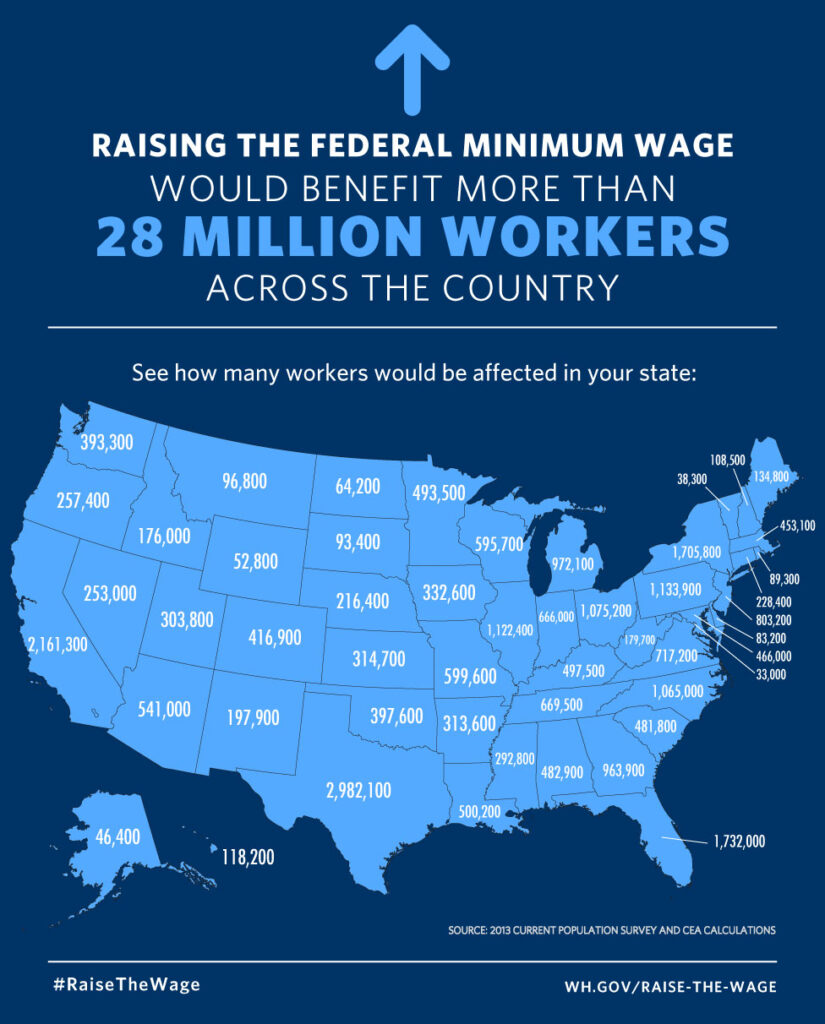
The minimum wage varies significantly across the United States, with each state setting its own standards, often influenced by local cost of living and economic conditions.
As of the latest data, Washington holds the highest state minimum wage, exceeding the federal baseline by a substantial margin, while several states continue to adhere to the federal rate of $7.25 per hour. This disparity reflects broader economic policies and regional priorities.
Exploring the spectrum from highest to lowest minimum wages reveals important insights into workforce compensation, income inequality, and regional economic health across the nation.
 Lowest minimum wage in us by state
Highest to Lowest Minimum Wage by State: A Comprehensive Overview
The minimum wage in the United States varies significantly from state to state, reflecting differences in cost of living, economic conditions, and legislative priorities. While the federal government sets a base minimum wage of $7.25 per hour—a rate unchanged since 2009—many states have established their own higher minimum wages to better support workers. As of 2024, states like Washington, California, and Massachusetts lead the nation with hourly rates exceeding $15, driven by legislative increases and inflation adjustments. On the other end of the spectrum, several states adhere strictly to the federal minimum or have no state minimum wage law, defaulting to $7.25. Other states have passed laws to gradually phase in higher rates, with scheduled increases tied to the Consumer Price Index (CPI) or specific milestones. This patchwork system creates disparities in wage equity and worker protections across state lines, making it essential for employees and employers alike to understand local requirements. The variation also influences business operations, labor mobility, and economic competitiveness at the regional level.
States with the Highest Minimum Wages in 2024
As of 2024, Washington holds the distinction of having the highest state-mandated minimum wage at $16.28 per hour, a figure adjusted annually for inflation.
Close behind are California and Massachusetts, both with minimum wages at $16.00 per hour, although certain cities like San Francisco and Boston may impose even higher local rates. The District of Columbia also ranks highly with a minimum wage of $17.00 per hour, though it is not a state, it is often included in comparative analyses.
These states have implemented automatic annual adjustments based on inflation, ensuring that wage gains keep pace with rising living costs. Strong labor advocacy, high costs of living, and progressive legislation are key drivers behind these elevated wage floors, making them national leaders in worker compensation standards.
 Minimum wage by state wiki
States with the Lowest Minimum Wages
At the lower end of the spectrum, states such as Georgia, Wyoming, and Alabama have some of the lowest minimum wage rates. Notably, Georgia and Wyoming officially set their state minimum wages below the federal rate at $5.15 per hour, but due to the supremacy of federal law, most employers are required to pay at least $7.25.
However, exceptions exist for certain workers, such as those in training or under 20 years of age, who may be paid less for limited periods. Alabama, Mississippi, and South Carolina have no state minimum wage law, meaning the federal rate applies by default.
These lower rates are often linked to pro-business economic policies aimed at attracting corporations through reduced labor costs, though critics argue they contribute to working poverty and income inequality.
States with Tiered or Variable Minimum Wage Structures
Several states have adopted tiered or variable minimum wage systems depending on business size, location, or industry. For example, Florida increased its minimum wage to $12.00 per hour in 2024, with plans to reach $15.00 by 2026, illustrating a phased-in approach.
 Average minimum wage by state
In Arizona, Colorado, and Maine, the minimum wage is adjusted annually based on the Cost of Living Adjustment (COLA) tied to inflation metrics.
Additionally, states like Texas and Pennsylvania maintain the federal minimum of $7.25 but allow cities to consider local ordinances—though statewide preemption laws in some cases block local increases. This patchwork model creates a complex environment where workers just miles apart can earn different hourly rates, highlighting ongoing debates about economic fairness and regional economic diversity.
| State | Minimum Wage (2024) | Notes |
|---|---|---|
| Washington | $16.28 | Highest state minimum; adjusted annually for inflation |
| California | $16.00 | Rate applies statewide; higher in many cities |
| Massachusetts | $16.00 | Gradual increase; tied to legislation |
| New York | $15.00–$16.00 | Varies by region and county |
| Florida | $12.00 | Phasing in toward $15.00 by 2026 |
| Ohio | $10.45 | For non-tipped workers; lower for small businesses |
| Texas | $7.25 | Federal rate applies; no state minimum above it |
| Georgia | $5.15 | Federal $7.25 overrides; limited exceptions apply |
| Wyoming | $5.15 | Federal rate applies in most cases |
| Mississippi | $7.25 | No state minimum wage law |
Frequently Asked Questions
Which U.S. state has the highest minimum wage?
As of 2024, California has the highest state minimum wage at $16.00 per hour. Washington, D.C. has an even higher rate at $17.00, but as a federal district, it is not classified as a state. California’s minimum wage applies to all employers, with some cities implementing higher local rates. The state regularly updates its wage to adjust for inflation, making it a leader in worker pay standards across the country.
Which U.S. state has the lowest minimum wage?
Georgia and Wyoming both have the lowest state minimum wage at $5.15 per hour. However, most workers in these states are subject to the federal minimum wage of $7.25 per hour, as it is higher than the state rate. Employers covered by the Fair Labor Standards Act (FLSA) must follow federal law, meaning very few employees actually earn $5.15. The low state rates mainly apply to businesses exempt from federal regulations.
 Bls minimum wage by state
How are minimum wage rates determined in each state?
Each state sets its own minimum wage through legislation or voter-approved ballot initiatives. Rates may be influenced by cost of living, inflation, labor market conditions, and political priorities. States can choose to adopt the federal minimum wage, set a higher rate, or, in rare cases, a lower one (though the higher of federal or state prevails). Many states now have automatic annual adjustments based on inflation to maintain wage value.
Why do minimum wage rates vary across U.S. states?
Minimum wage rates vary because each state has the authority to set its own labor laws. Differences reflect local economic conditions, such as cost of living, regional business competitiveness, and political priorities. States with higher living costs, like California or Washington, typically have higher minimum wages. Conversely, states with lower economies may keep wages low to attract businesses. Federal law allows this variation as long as workers receive at least the federal minimum.
Leave a Reply