
Highest minimum wage in us by state
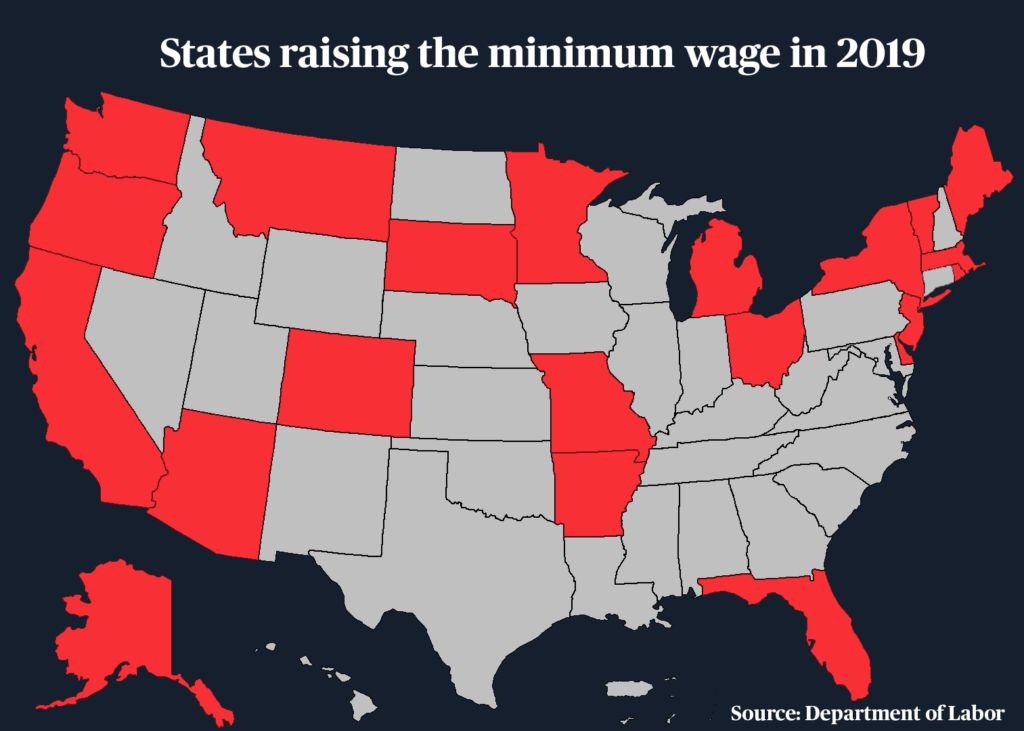
The minimum wage in the United States varies significantly from state to state, reflecting differing economic conditions, cost of living, and political priorities.
As of recent data, several states have established minimum wages well above the federal baseline of $7.25 per hour, which has remained unchanged since 2009. Washington, California, and Massachusetts lead the nation with some of the highest mandated hourly rates, surpassing $15 in many cases.
These state-level increases aim to provide workers with a livable income amid rising housing, healthcare, and education costs. This article explores which states currently boast the highest minimum wages and the implications for workers, businesses, and local economies across the country.
 Lowest minimum wage in us by state
Highest Minimum Wage in the US by State: A State-by-State Comparison
The minimum wage in the United States varies significantly from state to state, with some states setting their own rates well above the federal minimum wage of $7.25 per hour—a rate that has not changed since 2009.
As of 2024, the highest minimum wage in the US by state is found in Washington, where workers are guaranteed at least $16.28 per hour. This variation reflects differing costs of living, economic policies, and labor market conditions across states.
While the federal government sets a baseline, many states and even cities have enacted higher minimum wage laws to better support low-income workers. States like California, Massachusetts, and Connecticut also rank among the top, with rates exceeding $15 per hour.
These disparities mean that the earning potential for minimum wage workers can differ dramatically depending on geographic location, impacting workforce mobility, business operations, and household income stability.
 New jersey workers compensation independent contractors eligibility
Top States with the Highest Minimum Wage Rates
Several states lead the nation in establishing high minimum wage standards to keep pace with rising living costs. Washington State holds the top position with a minimum wage of $16.28 per hour in 2024, driven by state laws that annually adjust the rate based on inflation.
California follows closely with a statewide minimum of $16.00 per hour, although many cities like San Francisco and Los Angeles have even higher local minimums. Massachusetts sets its rate at $15.00 per hour, and Connecticut and New Jersey have also surpassed the $15 threshold, with rates of $15.69 and $15.13, respectively.
These progressive labor policies are often tied to broader efforts to reduce income inequality and support working families in high-cost areas. In contrast, states such as Georgia and Wyoming still adhere to the federal baseline of $7.25 or even lower in some cases, creating a sharp divide in worker protections across the country.
Impact of Local Ordinances and Cost of Living Adjustments
Beyond state-level policies, local minimum wage ordinances play a crucial role in determining the actual pay for low-wage workers. Cities such as Seattle, New York City, and San Francisco have implemented their own minimum wage laws that exceed both state and federal requirements.
 New jersey workers compensation settlement duration
For example, Seattle’s minimum wage reaches as high as $19.97 per hour for large employers in 2024, reflecting its high cost of living. Many of these areas use automatic cost of living adjustments (COLAs), meaning the minimum wage increases annually based on inflation metrics like the Consumer Price Index.
These mechanisms help preserve the purchasing power of minimum wage earners over time. However, this patchwork of regulations can create complexity for businesses operating across municipal or county lines, leading to compliance challenges, especially for small businesses and franchise operators.
Future Trends and Minimum Wage Legislation
Looking ahead, several states are on a pre-determined path to raise their minimum wages to $15 or more in the coming years, in line with the Fight for $15 movement. States like Illinois and Maryland have scheduled incremental increases that will bring them to $15.00 per hour by 2025 or 2026.
Meanwhile, proposals at both state and federal levels continue to push for broader increases, although political and economic debates remain intense. Proponents argue that higher wages reduce reliance on public assistance, boost consumer spending, and improve employee retention.
 North carolina workers' compensation requirement number of employees
Opponents, however, caution about potential job losses, particularly in small businesses and rural areas. As the national conversation continues, the trend indicates a steady, though uneven, upward movement in minimum wage standards across the U.S.
| State | Minimum Wage (2024) | Notes |
|---|---|---|
| Washington | $16.28/hour | Highest state minimum wage; adjusted annually for inflation |
| California | $16.00/hour | Statewide rate; higher in many cities |
| Massachusetts | $15.00/hour | Set to increase incrementally; strong support for labor rights |
| Connecticut | $15.69/hour | One of the fastest-growing minimum wages in the Northeast |
| New Jersey | $15.13/hour | Indexed to inflation; reached $15 in 2024 for most workers |
| Federal Minimum Wage | $7.25/hour | Has not increased since 2009; superseded by higher state rates |
| Georgia | $7.25/hour (state) | State rate below federal; federal law applies |
Frequently Asked Questions
Which state has the highest minimum wage in the U.S.?
As of 2024, Washington state has the highest minimum wage at $16.28 per hour. This rate exceeds both the federal minimum wage and other state rates. Washington adjusts its minimum wage annually based on inflation, ensuring it keeps pace with the cost of living. Employers in the state must comply with this requirement, although certain exceptions apply, such as for minors and specific training programs.
How does Washington, D.C. compare to states in terms of minimum wage?
Washington, D.C. has one of the highest minimum wages in the U.S. at $17.00 per hour as of 2024, surpassing all states. While not a state, D.C.’s wage is set independently and adjusted yearly for inflation. Workers in the district benefit from this higher rate, which supports living costs in a high-expense urban area. It reflects D.C.’s commitment to fair wages and economic equity for low-income workers.
Do any states tie their minimum wage to the cost of living?
Yes, several states, including Washington, Oregon, and California, adjust their minimum wages annually based on inflation or cost-of-living increases. These indexed adjustments ensure wages maintain purchasing power over time. This approach helps workers cope with rising expenses without requiring new legislation each year. Indexed minimum wages promote economic stability and reduce wage stagnation in high-cost areas.
 Ny workers compensation lookup
Are there planned increases in minimum wage for high-wage states?
Yes, many states with high minimum wages have scheduled annual increases. For example, California plans to reach $16 per hour statewide in recent years, with some cities going higher. Washington and Massachusetts also regularly update their rates based on inflation. These planned increases are often part of broader efforts to ensure workers earn livable wages amid rising living costs across the country.
Leave a Reply