
What are minimum wages by state

Minimum wage laws in the United States vary significantly from state to state, reflecting differing costs of living, economic conditions, and policy priorities. While the federal government sets a baseline minimum wage, many states choose to establish their own higher rates to better support workers.
As of 2024, over half of the states have minimum wages above the federal level of $7.25 per hour, with some exceeding $15. Understanding these regional differences is essential for employees, employers, and policymakers. This article explores the current minimum wage in each state, examines recent changes, and highlights the ongoing debate surrounding fair pay and economic sustainability across the country.
What Are Minimum Wages by State in the United States?
Minimum wage laws in the United States are governed by a combination of federal and state regulations, resulting in a patchwork of wage levels across the country.
 Minimum wages by state in usa
While the federal minimum wage is set at $7.25 per hour since 2009, many states and even cities have established higher minimum wages to reflect their local cost of living and economic conditions. As of 2024, over 30 states have minimum wages above the federal baseline, with some adjusting annually for inflation.
Employers must comply with the higher of the two rates—federal or state—meaning workers are entitled to the most favorable wage where they are employed. This variation leads to significant differences in earnings, especially for low-wage workers in sectors like retail, hospitality, and food service.
Current State-by-State Minimum Wage Rates (2024)
As of 2024, minimum wage rates range significantly across the U.S., reflecting diverse economic priorities and living costs. For example, Washington state has one of the highest rates at $16.28 per hour, followed closely by California at $16.00 for all employers.
Several states, including Arizona, Colorado, and Maine, implement annual adjustments based on inflation, ensuring wages keep pace with rising prices. Conversely, states like Georgia and Wyoming technically allow a minimum wage below $7.25; however, because of the Fair Labor Standards Act (FLSA), most workers in those states still receive the federal $7.25 minimum unless they are exempt.
 Minimum wages by state 2017
Employers in states without a minimum wage law or those with lower rates are generally required to pay the federal floor. This table outlines the current minimum wages in all 50 states and Washington, D.C.
| State | Minimum Wage (2024) | Federal Minimum Applies? |
|---|---|---|
| California | $16.00 | No |
| Washington | $16.28 | No |
| New York | $15.00–$16.00 (varies by region) | No |
| Texas | $7.25 | Yes |
| Florida | $12.00 | No |
| Illinois | $14.00 | No |
| Georgia | $5.15 | Yes (federal rate applies) |
| Wyoming | $5.15 | Yes (federal rate applies) |
| Maine | $14.15 | No |
| Washington, D.C. | $17.00 | No |
Factors Influencing State Minimum Wage Levels
Several key factors contribute to the variation in minimum wage policies across states. The most influential factor is the cost of living, which is significantly higher in urban centers such as San Francisco, Seattle, or New York City compared to rural areas.
States with high housing costs, transportation expenses, and healthcare prices are more likely to adopt living wage standards that exceed the federal baseline. Political climate and labor advocacy also play critical roles; states with strong labor unions and progressive legislatures, such as California and Massachusetts, tend to pass laws increasing minimum pay more aggressively.
Additionally, inflation indexing—which automatically adjusts wages based on changes in the consumer price index—is an increasingly popular mechanism used by states like Oregon and Colorado to maintain purchasing power over time.
 Minimum wages by state 2018
Effects of Minimum Wage Increases on Workers and Employers
Raising the minimum wage has complex economic implications for both employees and businesses. On the positive side, higher wages can reduce employee turnover, increase worker productivity, and lift families out of poverty by providing more stable incomes.
Studies have shown that modest increases in the minimum wage do not necessarily lead to significant job losses, particularly in sectors with high labor demand. However, some small businesses and low-margin industries such as restaurants and retail express concerns about increased labor costs, which may lead to reduced hiring, higher prices for consumers, or the adoption of automation.
Policymakers must balance these competing interests when determining appropriate wage levels, often using phased-in increases to allow businesses time to adapt. Ultimately, the goal is to ensure fair compensation without undermining economic growth or employment opportunities.
Frequently Asked Questions
What is the federal minimum wage in the United States?
The federal minimum wage in the United States is $7.25 per hour, established in 2009. This rate applies when state or local minimum wages are lower, or if a worker is covered by federal laws. Employers must pay whichever is higher—the federal, state, or local minimum wage. Some states have not set their own minimum wage and therefore default to the federal rate.
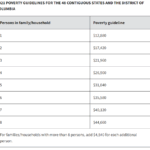 Minimum wages by state 2019
Do all U.S. states follow the federal minimum wage?
No, not all U.S. states follow the federal minimum wage. Many states set their own minimum wage rates, which are often higher than the federal $7.25 per hour. Employers must comply with the higher standard, whether federal, state, or local. States like California and Washington have significantly higher minimum wages, while others without state laws default to the federal rate.
Which states have the highest minimum wages in 2024?
As of 2024, Washington, D.C. has the highest minimum wage at $17.00 per hour, followed closely by Washington State and California, both at $16.28 per hour. Massachusetts and Connecticut also have high rates, above $15. These rates are adjusted annually based on cost of living or inflation. Employers in these states must follow the current mandated rates.
How often do state minimum wages change?
State minimum wages can change annually or periodically, depending on state laws and economic factors. Some states adjust rates each year based on inflation or the consumer price index, while others require legislative approval for changes. Updates typically take effect on January 1st. Workers and employers should check their state’s labor department website regularly to stay informed about current and upcoming wage rates.
 List of minimum wages by state
Leave a Reply