
Department of labor minimum wage by state
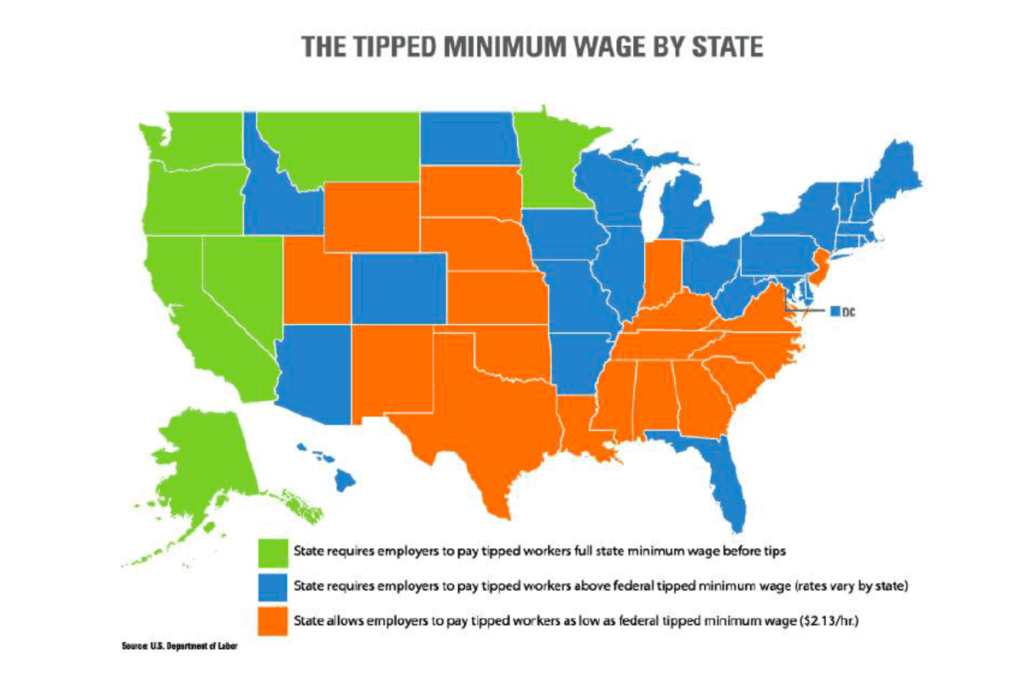
The minimum wage landscape in the United States varies significantly from state to state, reflecting differing economic conditions, cost of living, and legislative priorities. While the federal minimum wage remains unchanged at $7.25 per hour since 2009, many states have enacted higher rates to better support low-wage workers. The U.S.
Department of Labor oversees federal standards, but individual states retain the authority to set their own minimum wages, often adjusting them annually for inflation. This article explores the current minimum wage in each state, highlights regional disparities, and examines how state-level policies impact workers' earnings and employment across industries.
Understanding State Minimum Wage Laws Under the U.S. Department of Labor
The U.S. Department of Labor (DOL) oversees the enforcement of the Fair Labor Standards Act (FLSA), which sets the federal minimum wage at $7.25 per hour since 2009. However, individual states have the authority to establish their own minimum wage rates, and when a state's rate is higher than the federal rate, employers must pay the higher state-mandated wage.
 Minimum wage by state over time
This creates a complex and varied landscape of minimum wage laws across the United States. The DOL ensures that workers are paid at least the minimum wage required by the applicable law, whether federal or state.
Some states also allow for subminimum wages for certain types of workers, such as tipped employees, youth workers, or individuals with disabilities, under strict regulatory conditions. Employers must stay informed about both federal guidelines and state-specific regulations to remain compliant and avoid penalties.
How the Federal and State Minimum Wages Interact
The interaction between federal and state minimum wage laws is governed by the principle of supremacy of the higher standard. This means that if a state's minimum wage is greater than the federal rate, employers in that state must pay the higher state rate.
For example, while the federal minimum wage remains $7.25, states like California and Washington have minimum wages exceeding $15 per hour, so workers in those states benefit from the more favorable rates.
 Minimum wage by state ranked
In contrast, in states that do not set a minimum wage or have a rate below $7.25, the federal minimum wage applies. The Department of Labor does not preempt higher state standards and instead encourages states to adopt wage protections that better reflect local economic conditions and cost of living.
States with the Highest and Lowest Minimum Wages in 2024
As of 2024, there is a significant disparity in minimum wage levels across U.S. states. Washington, D.C. leads the nation with a minimum wage of $17.00 per hour, followed closely by Washington State and California, both at $16.00 or higher.
These states regularly adjust their rates based on inflation and cost-of-living indices. On the other end of the spectrum, Georgia and Wyoming officially maintain minimum wages of $5.15 and $5.17 per hour, respectively.
However, because these rates are below the federal floor, most workers in those states are entitled to at least $7.25 per hour under federal law unless they fall under a specific exemption. The variation underscores the importance of understanding local labor regulations and worker protections.
 Minimum wage by state wiki
Minimum Wage Exemptions and Special Worker Categories
The Department of Labor allows certain exemptions to the standard minimum wage for specific worker groups. Tipped employees, for instance, may be paid a direct wage as low as $2.13 per hour, provided that their tips bring their total earnings up to at least the federal minimum wage.
If not, the employer must make up the difference—a practice known as the tip credit. Other exemptions include youth workers, who may be paid $4.25 per hour during their first 90 days of employment, and workers with disabilities, who may receive wages below the minimum under special certificates (Section 14(c) of the FLSA).
Additionally, some agricultural, seasonal, and student workers may qualify for subminimum wages under tightly regulated conditions. Employers must follow strict documentation and compliance procedures to legally apply these exemptions.
| State | Minimum Wage (2024) | Tipped Minimum Wage | Notes |
|---|---|---|---|
| California | $16.00 | $16.00 | No tip credit allowed; same wage for all workers. |
| Washington | $16.28 | $16.28 | Rate adjusted annually for inflation. |
| New York | $15.00 - $16.00 | $10.10 - $10.80 | Varies by region and employer size. |
| Texas | $7.25 | $2.13 | Federal minimum applies; uses tip credit. |
| Georgia | $5.15 | $2.13 | Federal rate of $7.25 applies for most workers. |
Frequently Asked Questions
What is the federal minimum wage compared to state minimum wages?
The federal minimum wage is $7.25 per hour, last updated in 2009. However, many states have set higher minimum wages. When state and federal rates differ, workers are entitled to the higher rate. Currently, over half of U.S. states exceed the federal minimum, with some tied to cost of living adjustments. Employers must comply with whichever standard offers greater pay.
How can I find the current minimum wage for my state?
To find your state's current minimum wage, visit the U.S. Department of Labor's website or your state’s labor department. These sources provide accurate, up-to-date wage laws, including differences for tipped employees and small businesses. Many states also publish fact sheets and wage calculators to help workers and employers understand current requirements based on location and job type.
Why do minimum wage rates vary from state to state?
Minimum wage rates vary because states have the authority to set their own wage laws based on local cost of living, economic conditions, and legislative decisions. While federal law sets a baseline, states can choose to implement higher wages to reflect regional needs. Voters and state legislators often influence changes through bills or ballot initiatives.
Do all workers receive the state minimum wage?
Most non-exempt workers are entitled to the state or federal minimum wage, whichever is higher. However, exceptions exist for youth workers, tipped employees, and certain disabled or student workers, who may be paid less under specific conditions. Employers must follow strict rules for these exceptions, and not all states allow reduced rates for these groups.
Leave a Reply