
Minimum wage by state ranked
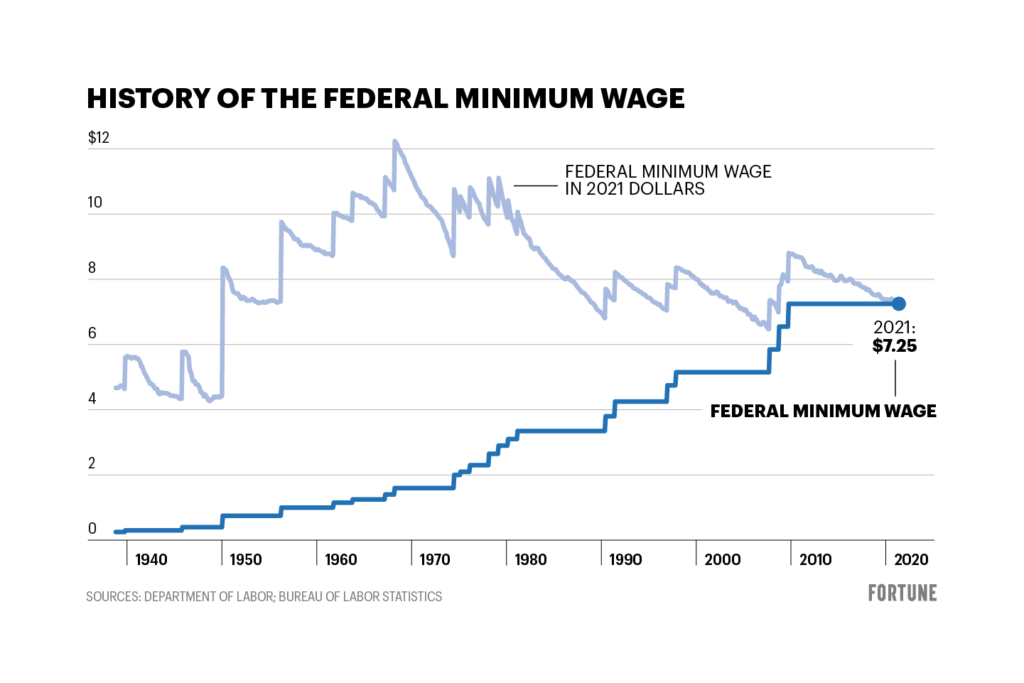
The minimum wage varies significantly across the United States, with each state setting its own standards, often influenced by local cost of living and economic conditions. As of the latest data, 30 states and the District of Columbia have minimum wages higher than the federal rate of $7.25 per hour, a figure unchanged since 2009.
This ranking highlights the disparities between states, with California and Washington leading with rates exceeding $16 per hour, while others adhere to the federal baseline. Understanding these differences is crucial for workers, employers, and policymakers navigating labor markets, wage equity, and economic sustainability across regions.
Minimum Wage by State Ranked: A Comprehensive Overview of U.S. Wage Standards
The minimum wage by state ranked provides a clear picture of how wage policies vary across the United States, reflecting regional economic conditions, cost of living differences, and political priorities.
 Minimum wage by state and year
While the federal minimum wage has remained stagnant at $7.25 per hour since 2009, many states have taken initiative to establish higher mandatory pay rates to better support low-wage workers. These state-level increases are often driven by rising living costs, particularly in urban areas, and growing public and legislative support for living wage policies.
Ranking the states by their minimum wage reveals a wide disparity—from states that follow the federal baseline to those with minimum wages exceeding $15 per hour. This ranking not only highlights economic diversity but also influences employment trends, business operations, and workforce mobility across state lines.
How Minimum Wage Laws Differ Across States
Minimum wage laws in the U.S. are determined at both federal and state levels, creating a complex patchwork of regulations. Some states adhere strictly to the federal minimum wage of $7.25, while others have enacted laws that set higher hourly rates.
Additionally, certain states allow local municipalities to set their own, even higher, minimum wages—a policy known as local wage preemption. For example, cities like Seattle and San Francisco have implemented minimum wages well above their state’s standard.
 Minimum wage by state by year
Moreover, not all workers are subject to the same rules: some states have different minimums for tipped employees, youth workers, or small businesses. This diversity in legislation means that an employee’s earnings can depend heavily on geographic location and local economic policy.
States with the Highest and Lowest Minimum Wages in 2024
In 2024, Washington, D.C. holds the highest minimum wage at $17.00 per hour, followed closely by states like Washington ($16.28), Massachusetts ($15.75), and California ($15.50 for all employers). These high-wage states are typically found in regions with a significantly higher cost of living, particularly on the West Coast and in the Northeast.
In contrast, several states—including Georgia, Wyoming, and Minnesota (for small employers)—officially maintain a minimum wage at or below the federal rate of $7.25, though many employers in these states still pay more due to market pressures or federal law applicability.
It's important to note that when there's a discrepancy between federal and state law, workers are entitled to the higher of the two wages. This creates a tiered system where wage equity varies dramatically depending on location.
 Minimum wage by state us
Impact of Minimum Wage Rankings on Workers and Businesses
The ranking of minimum wages by state has significant implications for both low-income workers and the broader economy. Higher minimum wages can reduce poverty and income inequality, improve employee retention, and increase consumer spending—boosting local economies.
However, some businesses, particularly in labor-intensive industries like hospitality and retail, may face increased operating costs and respond by reducing hours, automating roles, or raising prices.
Studies on the economic impact remain mixed, with some indicating minimal job loss following wage increases, while others highlight challenges for small businesses in high-wage states. Nonetheless, the trend toward higher state-level minimum wages reflects a growing consensus that the federal floor no longer meets the needs of modern workers, especially in high-cost areas.
| State | 2024 Minimum Wage (per hour) | Notes |
|---|---|---|
| Washington, D.C. | $17.00 | Highest in the nation; adjusted for inflation annually. |
| Washington | $16.28 | Tied to cost of living; among top state rates. |
| Massachusetts | $15.75 | Gradual increase to support living wage standards. |
| California | $15.50 | Rate applies to all employers; higher in some cities. |
| New York | $15.00 (most regions) | Varies by region and city size (e.g., NYC higher). |
| Texas | $7.25 | Follows federal minimum; no state-mandated increase. |
| Georgia | $5.15 | Lower than federal; federal rate applies in practice. |
| Wyoming | $7.25 (or $5.15 without federal coverage) | Federal wage applies to most workers. |
Frequently Asked Questions
What is the federal minimum wage compared to state minimum wages?
The federal minimum wage is $7.25 per hour, but many states have higher rates. States like California and Washington have minimum wages significantly above the federal level, while others follow the federal standard.
Employers must pay the higher of the two rates when state and federal wages differ. Some cities also set local minimum wages above both state and federal levels, ensuring workers receive greater pay based on their location.
Which state has the highest minimum wage in the U.S.?
As of 2024, Washington D.C. has the highest minimum wage at $17.00 per hour, followed closely by states like California and Washington. These states periodically adjust wages for inflation, leading to steady increases.
Employers in high-cost urban areas often support higher wages to match living expenses. Workers in these states benefit from stronger purchasing power, although some small businesses face increased labor costs due to the elevated wage requirements.
Do all U.S. states have a minimum wage higher than the federal rate?
No, not all U.S. states have a minimum wage higher than the federal rate of $7.25 per hour. Several states, including Georgia and Wyoming, maintain lower state minimums, but most employers still pay the federal $7.25 due to the Fair Labor Standards Act.
Some states have no minimum wage laws, defaulting to the federal rate. Others tie their rates to inflation or cost of living, resulting in gradual annual increases beyond the federal standard.
How often are state minimum wages updated?
State minimum wages are updated at varying intervals depending on state law. Some states adjust annually based on inflation or the consumer price index, like Florida and California. Others require legislative approval for changes, resulting in irregular updates.
Certain states have multi-year increase plans, phasing in higher wages gradually. Updates typically take effect at the start of the calendar year, allowing businesses time to prepare for increased labor costs.
Leave a Reply